


Will Customers Pay a Premium for Sustainable Tableware? What Actually Works
According to PwC's 2024 Voice of the Consumer Survey, 80% of consumers say they're willing to pay more for sustainable products. But saying and doing are different things. The gap between stated values and actual purchasing behavior is real and well-documented. So the honest question is: under what conditions will customers actually spend more on compostable plates and sustainable tableware?
The Shifting Expectations Around Eco-Friendly Disposable Tableware
Across consumer surveys and market reports, a consistent pattern emerges. Most shoppers support sustainable products in principle. Fewer follow through when those products cost noticeably more. But that gap is closing, at least for buyers who see real value in what they're purchasing.
The sustainable packaging market has grown steadily over the past decade. Consumers increasingly associate disposable plates and containers with waste, and that association shapes how they shop, especially for food events, catering, and everyday household needs.
How Much More Will Customers Pay?
Most evidence points to a threshold of around 5 to 15 percent above conventional alternatives. Push beyond that range, and conversion drops significantly for everyday purchases. Some premium segments, like event catering and health-focused food service, tolerate wider price differences, but these are niche segments.
The practical takeaway is simple. A moderate premium is workable. A large one needs a strong justification that customers can clearly see or feel.
Who Is Most Likely to Pay More
Demographic factors matter here. Younger adult consumers, particularly those aged 25 to 40, show higher willingness to pay for eco-friendly options. Urban households tend to be more receptive as well. In food service and hospitality, buyers often respond to customer demand or local regulations rather than personal preference, which shifts the decision-making calculus entirely.
Which Sustainable Materials Tend to Get Accepted at Higher Price Points
Building on what drives willingness to pay, material type plays a large role. The material affects both the price customers expect and the quality signals they associate with the product. Some materials read as premium; others don't, even if they carry the same eco-credentials.
| Material | Perceived Quality | Price Premium Tolerance | Key Use Case | Microwave Safe | Freezer Safe |
| Sugarcane bagasse tableware | High | 10–20% | Catering, food halls | Yes | Yes |
| Compostable paper plates | Moderate | 5–12% | Casual dining, home use | No | No |
| PLA (corn-based plastic) | Moderate | 8–15% | Cold food, drinks | No | Yes |
| Palm leaf | High | 15–25% | Upscale events | No | No |
| Bamboo fiber | High | 12–20% | Premium retail | Limited | Yes |
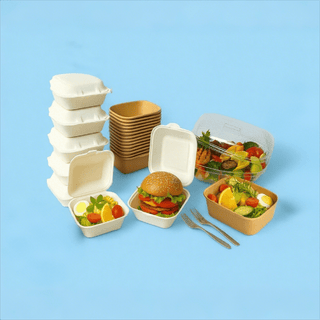
Bagasse stands out not just for how it looks and feels, but for what it can do. It handles heat, moisture, freezing, and microwaving. No other material on this list does all four. For food businesses that need one container to cover the whole service cycle, that versatility is hard to match.

Why Sugarcane Bagasse Tableware Often Justifies a Higher Price
Following the material comparison above, sugarcane bagasse tableware sits in a particularly strong position. It performs well functionally and communicates sustainability visually. That combination matters for how customers respond to pricing.
Performance Customers Can Feel
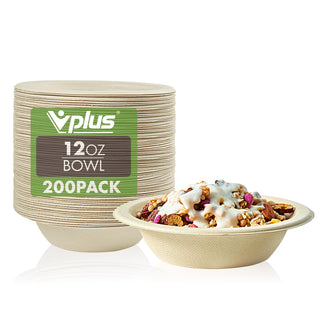
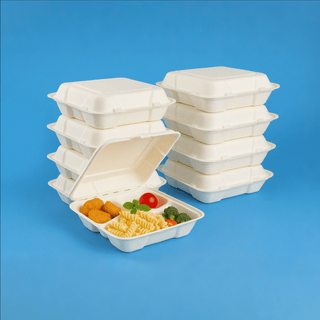
Heavy-duty compostable plates made from bagasse resist soaking and bending in ways that thinner alternatives do not. For food businesses, plate integrity is non-negotiable. A compostable plate that collapses under a curry or leaks through a paper bag destroys the experience, regardless of how sustainable the product is.

Customers who have encountered weak disposable tableware before come in skeptical. Bagasse containers change that perception because the material genuinely holds up under pressure, heat, and moisture.

Tactile Signals That Show Value
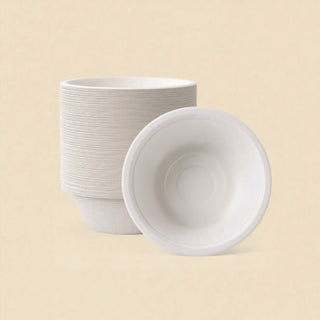
Thickness, weight, and texture all contribute to a customer's sense of value. Heavy-duty compostable plates from bagasse tend to feel more like ceramic than like standard paper. That physical impression justifies a higher price point in a way that thinner materials cannot replicate.
When food is served on a plate that feels solid and looks clean, the entire meal experience improves. That perceived quality makes the premium feel earned rather than imposed.
The Conditions That Make Customers Willing to Spend More
The price premium question is really about context. The same customer who hesitates at a grocery shelf may happily accept a higher price at an event or upscale food stall. Context, framing, and perceived quality do a lot of the work.
When the Brand Story Does the Work
Businesses that actively communicate their sustainability choices tend to convert better. This doesn't require heavy messaging. A small card at a catering table explaining that the compostable plates are made from sugarcane fiber can shift perception meaningfully.
Customers who feel they're participating in something worthwhile are more tolerant of price differences. The message has to feel honest, though. Customers have grown sensitive to vague or performative eco-claims.
Certifications and Labels That Actually Help
Specific certifications carry more weight than general eco-claims. Labels from recognized composting or food safety bodies give customers something concrete to evaluate. Vague language like "eco-friendly" or "green" has lost credibility with many informed buyers.
For disposable plates and bagasse containers, certifications related to compostability standards, such as industrial or home composting compatibility, give buyers a specific reason to trust the product. That trust supports the premium.

Practical Pricing Signals That Sellers Can Use
Given everything above, pricing strategy affects how customers respond to a premium. A few approaches consistently work better than others.
- Make the difference visible but contextual. Customers accept a premium more easily when they can see what they're getting in return. Side-by-side comparisons help convert hesitant buyers.
- Lead with performance. For disposable tableware, durability and heat resistance often matter more than environmental claims in the first moment of decision.
- Offer volume pricing. Bulk buyers in catering and events respond well to tiered pricing. It makes the per-unit cost feel more reasonable.
- Use clear material descriptions. "Compostable paper plates made from sugarcane fiber" communicates more than "eco plates." Specificity builds confidence and supports the premium price.
Make the Switch Worth It for Your Customers
The premium for sustainable tableware is real, but it has limits. Customers will pay more when the product performs well, the price stays within a reasonable range, and the sustainability story feels credible. Sugarcane bagasse tableware and heavy-duty compostable plates tend to meet these conditions. If you're sourcing or selling sustainable disposable tableware, focus on materials that genuinely earn the premium rather than just claiming it. Browse our full range of bagasse plates and containers to find the right fit for your business.
FAQs about Compostable Tableware Pricing
Q1: Are Customers Willing to Pay More for Compostable Plates?
Yes, but within limits. Most customers tolerate a premium of around 5 to 15 percent for compostable plates when quality is visible and sustainability claims are credible. Above that range, conversion tends to drop for everyday purchases. Premium segments like catering events and upscale food service often accept a wider price difference.
Q2: What Makes Sugarcane Bagasse Tableware Worth a Higher Price?
Performance is the main reason. Sugarcane bagasse tableware is heat-resistant, moisture-resistant, and visually distinct from flimsy alternatives. Heavy-duty compostable plates made from bagasse hold food reliably under real conditions, which justifies the price both to food businesses and their customers.
Q3: How Do Bagasse Containers Compare to Compostable Paper Plates?
Bagasse containers generally outperform compostable paper plates in durability and heat resistance. Paper plates can soften with moisture and work best for dry or lighter foods. Bagasse handles heavier, wetter, or hotter items more reliably, making it the preferred choice for catering and restaurant use.
Q4: Do Eco Certifications Affect Purchasing Decisions for Disposable Tableware?
Yes, and meaningfully so. Vague eco-claims have lost trust with many buyers, but specific composting certifications and food safety approvals provide concrete reassurance. For businesses sourcing disposable tableware, certified products are easier to sell to customers who want verifiable sustainability rather than marketing language.
Q5: What Type of Customer Is Most Likely to Pay a Premium for Sustainable Disposable Plates?
Younger urban consumers and purpose-driven food businesses are the most consistent buyers. Consumers aged 25 to 40 in urban areas show the highest willingness to pay more for compostable plates and eco-friendly alternatives. Food businesses operating under local sustainability regulations or catering to environmentally aware customers also tend to prioritize sustainable disposable tableware over conventional options.