


Sugarcane vs. Bamboo vs. Palm Leaf Plates: Which Eco-Friendly Tableware is Best?
Sugarcane, bamboo, and palm leaf tableware have become three of the most popular eco-friendly options in the disposable dining market. Each material offers distinct benefits for different dining situations, from casual picnics to formal weddings. Understanding how they compare in durability, heat resistance, cost, and aesthetics helps you pick the right plates for your next event. If you need a balance of cost and function, sugarcane bagasse is often the best choice.
Examining The Raw Materials For Sustainable Tableware Production
The journey toward a greener planet starts with the source of our daily products. Manufacturers create these plates from renewable resources that do not rely on petroleum. Each material has a distinct origin story that affects its environmental footprint. It is important to know where your plates come from before you buy them.
Sugarcane Bagasse Fibers
Bagasse is the dry pulpy residue left after juice extraction from sugarcane stalks. This material was once considered a waste product of the sugar industry. Factory workers often burned it, which caused significant air pollution. Now, this fiber is repurposed into durable plates through a molding process. This transformation turns industrial waste into a functional and valuable resource.
Rapidly Renewable Bamboo
Bamboo is one of the fastest-growing plants on the planet. Some species can grow several feet in a single day. This rapid growth makes it a highly renewable resource compared to slow-growing trees. Harvested stalks are processed into thin layers or ground into pulp to form plates. The natural strength of the plant translates directly into the final dining product.
Naturally Fallen Palm Leaves
Palm leaf plates come from the Areca palm tree. This process is one of the most natural among the three options. Leaves fall from the trees naturally throughout the year. Local workers collect these fallen leaves, so no living trees are ever harmed. The leaves are then cleaned with high-pressure water and heat-pressed into various shapes.
Performance Analysis Of Common Eco Friendly Disposable Plates Comparison
The utility of a plate is measured by how well it holds food during a meal. Users expect their tableware to remain rigid even when the food is heavy or wet. The different physical properties of these plant materials lead to varying levels of performance in real-world settings.
Structural Rigidity And Strength
Bamboo plates are typically the strongest options on the market. They do not bend easily under the weight of heavy meats or large portions. These plates feel very similar to traditional wooden tableware. You can cut a steak on a bamboo plate without any fear of piercing the surface. It is a reliable choice for gourmet meals.
Texture And Sensory Experience
Sugarcane plates feel like very sturdy paper plates. They have a smooth, matte finish that is comfortable to hold. Palm leaf plates have a more rustic and textured feel. You can feel the natural ridges of the leaf when you touch them. Every palm plate is unique because the leaf patterns vary. This adds a sense of nature to the dining experience.
Weight Capacity And Balance
Palm leaf plates are surprisingly tough. The heat-pressing process creates a dense structure that resists bending. These plates can hold heavy, saucy foods without folding in the middle. Sugarcane plates are lighter but still outperform standard paper alternatives. They are perfect for appetizers, sandwiches, or light salads.
Thermal Resistance And Microwave Safety Ratings For Hot Food
Heat management is a critical factor for any disposable tableware. Many people want the convenience of reheating leftovers directly on the plate. Some materials handle high temperatures better than others. It is vital to check the safety ratings before putting any natural plate into a heat source.
Microwave Compatibility Of Natural Fibers
Palm leaf plates are exceptionally heat-resistant. You can put them in the microwave for several minutes without issues. The material does not get too hot to touch even after heating. Sugarcane plates are also microwave-safe for shorter durations. They handle the steam from hot food very well without becoming soggy.
Oven Use And Stability
Some palm leaf plates can even handle short periods in a conventional oven. This is a rare feature for disposable items. Bamboo plates are less suited for high-heat environments. Intense heat can cause the bamboo fibers to become brittle or even scorched. It is best to avoid using bamboo for oven reheating.
Moisture Barriers and Leakage Prevention
The natural oils in palm leaves provide a decent barrier against liquids. Sugarcane plates are often treated to be grease-resistant and waterproof during the manufacturing process. You can serve hot soup or oily pasta on them without fear of a soggy bottom. Bamboo plates perform well with dry foods but may absorb moisture if liquids sit for hours.

Detailed Comparison Table For Natural Tableware Materials
The following table summarizes the key features of these three eco-friendly options. It serves as a quick reference for your next event planning session.
| Feature | Sugarcane (Bagasse) | Bamboo Plates | Palm Leaf Plates |
| Primary Source | Agricultural Waste | Fast-Growing Grass | Naturally Fallen Leaves |
| Durability | High | Extreme | High |
| Best Use Case | Large Casual Parties | Heavy Dinners | Weddings & Galas |
| Heat Resistance | Up to 220°F (104°C) | Up to 160°F (71°C) | Up to 300°F (149°C) |
| Cold Resistance | Freezer-safe to 0°F (-18°C) | Not recommended for freezer | Freezer-safe to 0°F (-18°C) |
| Microwave Safe | Yes (Short Time) | Not Recommended | Yes |
| Texture | Smooth / Uniform | Wood-like | Natural / Textured |
| Cost Level | Low | High | Medium |
| Compost Time | 60 to 90 Days | 4 to 6 Months | 2 to 4 Months |
Lifecycle And Environmental Assessment Of Renewable Plant Fibers
Both materials offer significant improvements over plastic. However, the energy required for production varies between them. A lower carbon footprint is a major selling point for eco-conscious shoppers. True sustainability depends on the entire life of the product.
Production Energy Requirements
The production of sugarcane plates uses the energy already present in the sugar mill. The leftover stalks provide the fuel for the machines. This creates a very efficient closed-loop system. Bamboo requires more mechanical processing to turn hard stalks into flat plates. This can increase the total energy used during manufacturing.
Decomposition Rates In Soil
Sugarcane plates break down relatively quickly in a compost environment. The soft fibers are easy for microbes to digest. Bamboo is a much denser material. It takes longer for the environment to reclaim a bamboo plate. Shredding the plates after use can help speed up this natural process.
Chemical Additives And Purity
Natural plates usually do not require heavy chemicals or dyes. Sugarcane bagasse is naturally a light cream color. Most manufacturers avoid bleaching these products to maintain environmental integrity. Bamboo plates also maintain their natural wood tone. This ensures that no toxic residues enter the soil during composting.
Visual Aesthetics And Event Suitability Of Palm Leaf Vs Bagasse Plates
The appearance of your tableware sets the tone for your event. Some occasions require a more refined look. Other situations prioritize utility and a clean aesthetic. Your choice of plate can influence how guests perceive the quality of the meal.
Elegant Presentation For Special Occasions
Palm leaf plates are the most visually striking option. Each plate features unique swirls and colors from the original leaf. They look beautiful at outdoor weddings or tropical-themed parties. Guests often remark on the beauty of these plates. They provide a high-end feel without the need for real china.
Modern Simplicity For Casual Dining
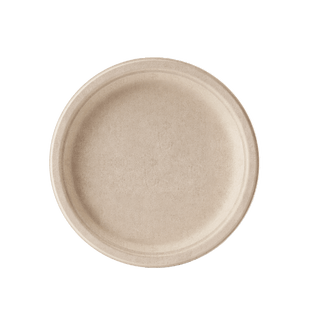
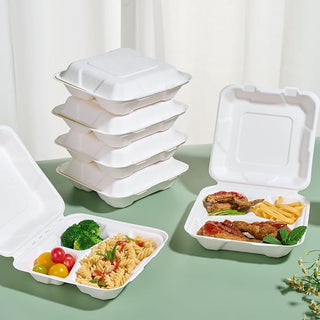
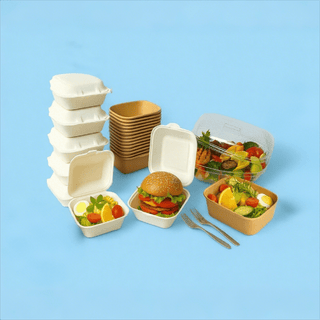
Sugarcane plates offer a clean and professional look. They are usually white or light brown. This neutrality allows them to fit into any setting. They are the standard for eco-friendly cafes and food trucks. The uniform shape makes them easy to stack and display on a buffet line.
Minimalism and Luxury
Bamboo plates often have a sleek, modern finish. They look great in high-end minimalist settings. Some bamboo products have a polished surface that mimics luxury wood. This adds a touch of elegance to a corporate lunch or an upscale dinner party.
Economic Considerations For Bulk Tableware Purchases
Budget often dictates the choice for large-scale events. The cost per unit can vary significantly based on the material. You must balance your environmental goals with your financial reality. Prices can fluctuate based on supply chain conditions and regional availability.
Price Per Unit Analysis
Sugarcane is consistently the most affordable eco-friendly option. Since it uses a waste product, the raw material cost is very low. You can buy these in large quantities without spending a lot of money. It is the best choice for events with hundreds of guests.
Long Term Value For Money
Palm leaf plates occupy the middle ground for pricing. They are more expensive than sugarcane but offer a more premium feel. Many people find the extra cost worth it for the aesthetic boost. Bamboo plates are typically the most expensive because of the labor-intensive harvesting and processing.
Shipping And Storage Efficiency
The weight of the plates affects shipping costs. Sugarcane plates are very light, which saves money on logistics. Bamboo plates are heavier and take up more space. This can add to the total cost if you are ordering from a distant supplier. It is important to calculate the total delivered cost.
Health And Safety Benefits Of Natural Plant Fibers
Traditional plastic and foam plates can release chemicals when they touch hot food. Natural materials offer a safer alternative for your family and guests. These products are generally free from harmful toxins. They provide a cleaner way to enjoy a meal.
Toxin Free Dining Experiences
These plates do not contain BPA or phthalates. These chemicals are common in plastic and have been linked to health issues. Natural fibers are inert and do not react with your food. This provides peace of mind during every meal. You do not have to worry about plastic leaching into your dinner.
Hypoallergenic Qualities Of Materials
Most plant-based plates are safe for people with allergies. Sugarcane and palm leaf fibers do not typically trigger reactions. However, people with specific sensitivities should always check the product details. Most manufacturers use simple heat and water for cleaning during the production phase.
Clean Taste Profiles
Plastic plates can sometimes give food a chemical flavor. Natural materials do not have this problem. Your food tastes exactly as it should. The subtle earthy scent of a palm leaf plate is the only thing you might notice. This enhances the overall culinary experience.
Logistics And Space Efficiency In Commercial Settings
Restaurant owners and caterers must consider storage. Space is often limited in busy professional kitchens. The way plates stack and store can impact daily operations. Efficient logistics lead to a smoother workflow during busy shifts.
Nesting Capabilities For Small Spaces
Sugarcane plates are designed to nest very tightly. A stack of fifty plates is remarkably short. This allows you to store thousands of units in a small cupboard. Palm leaf plates do not nest as perfectly because of their natural variations. They may take up more space than bagasse plates.
Shelf Life and Environmental Stability
Natural plates are shelf-stable for long periods. You must keep them in a dry environment to prevent any mold growth. As long as they stay dry, they will last for years. Bamboo plates are especially durable in storage and do not warp easily. They are a safe bet for long-term inventory.
Disposal Logistics And Sorting
Cleaning up after an event is much faster with compostable plates. You do not have to separate them from food waste. Everything can go into the same organic waste bin. This reduces the time spent on trash sorting. It can also lower disposal fees in areas with composting programs.

Specific Recommendations For Different Dining Scenarios
It is helpful to match the plate to the specific activity. Each material has a niche where it excels.
- Family Picnics: Use sugarcane plates for high value and easy disposal.
- Outdoor Weddings: Select palm leaf plates for a high-end, rustic appearance.
- Corporate Events: Choose sugarcane for a professional and uniform look.
- Formal Dinners: Pick bamboo for the ultimate strength and premium feel.
- Daily Home Use: Stick with sugarcane for the best balance of cost and function.
Choose Green For Your Table
The right plate material can elevate your event while keeping logistics simple. You can choose sugarcane for value, bamboo for strength, or palm leaf for style. Each choice moves us away from harmful plastics. Consider your specific event needs and your budget to make the best environmental impact. Your next party can be both beautiful and green.
FAQs
Q1: Are Sugarcane Plates Compostable?
Yes, these plates are commercially compostable, and many break down in backyard systems. While sugarcane bagasse is a natural fiber, home compost piles often lack the high heat found in industrial facilities. To ensure the product meets strict environmental standards, you should look for BPI certification on the packaging. This ensures the material will return to the earth properly.
Q2: Can Bamboo Plates Be Washed And Reused Multiple Times?
No, these products are primarily designed for single use despite their high strength. While bamboo is very tough, the plates are not usually sealed with permanent waterproof coatings. Washing them in a dishwasher or soaking them in a sink can cause the fibers to swell and crack. It is safer to compost them after one use to maintain hygiene.
Q3: Is It Safe To Put Palm Leaf Plates In The Microwave?
Yes, palm leaf tableware handles microwave heat exceptionally well. The dense, natural structure of the leaf remains stable under high temperatures. Unlike plastic, it will not melt or release harmful chemicals into your food. You can safely reheat meals for several minutes on these plates without any structural failure.
Q4: Do These Eco-Friendly Plates Leak When Holding Liquid?
No, all three materials are engineered or naturally equipped to resist moisture. Sugarcane plates are specifically made to be grease-proof and water-resistant during the molding process. Palm leaf plates have a natural waxy surface that prevents soaking. You can serve wet foods like pasta or salad without the plate becoming soft or messy.
Q5: Which Option Is The Most Budget Friendly For Large Events?
Sugarcane bagasse plates offer the lowest price point for bulk buyers. Because bagasse is an abundant byproduct of the sugar industry, it is very inexpensive to produce at scale. If you are hosting hundreds of people, sugarcane provides the best performance for the lowest cost. Bamboo and palm leaf are considered premium alternatives.