





Your Healthy Menu
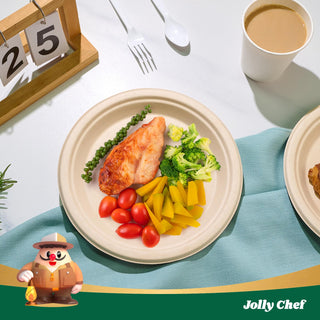
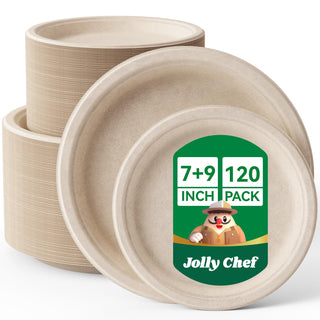
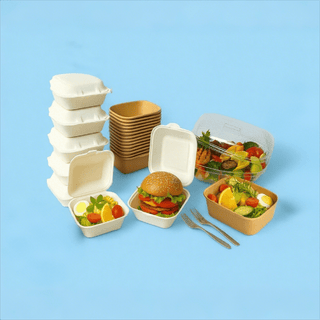
Are you worried about losing loyal customers by adding healthy dishes to your menu? The goal isn't to replace beloved classics but to expand your offerings. This strategy can attract new diners, tapping into the rapidly growing global market for healthy foods, which shows a clear demand for nutritious meals. Understanding how to incorporate healthier menu options without alienating your regular customers is a key skill for modern food service. Presenting these new, vibrant dishes on high-quality Sugarcane Paper Plates can further enhance your brand's fresh, health-conscious image. This thoughtful approach not only broadens your appeal but also boosts your profitability.
Key Takeaways
-
Add healthy options by changing cooking methods and ingredients. This improves nutrition without changing taste.
-
Use symbols on your menu to show healthy choices. Offer different portion sizes to give customers control.
-
Train your staff to talk about new healthy dishes. Use social media to show off these new items.
-
Listen to customer feedback. This helps you make smart changes to your menu.
How to Incorporate Healthier Menu Options Subtly
Adding healthy dishes is a powerful growth strategy. The secret is understanding how to incorporate healthier menu options without alienating your regular customers. You can make simple, behind-the-scenes changes that boost nutritional value. Your customers will enjoy the same great flavors they love, just in a healthier format. This approach enhances your menu gradually and effectively.
Offer Healthier Cooking Methods
One of the easiest first steps is to change how you cook. You can offer healthier preparation methods for existing dishes. Many customers already look for these options. Offering them shows you are listening to their needs.
Popular cooking methods that customers request include:
-
Grilling: Use this for chicken, fish, patties, and sandwiches. It provides a healthier choice than deep-frying or cooking in butter.
-
Broiling: This method works well for seafood, meats, and poultry. It is a great alternative to sautéing in butter or deep-frying.
You can also prepare lean cuts of meat using these methods. Avoid adding unnecessary fats like butter and cream. This simple change significantly lowers the calorie and fat content. Different cooking methods also affect the nutritional value of food. High heat can damage some vitamins, but certain methods are better than others at preserving nutrients.
Did You Know? A Quick Nutritional Comparison 🍳 The way you cook food directly impacts its nutritional profile. Frying, for example, adds fat and can damage healthy omega-3s. Grilling and baking are often better choices for preserving nutrients.
|
Cooking Method |
Impact on Vitamins |
Impact on Fats |
Other Nutritional Concerns |
|---|---|---|---|
|
Grilling |
Minimal vitamin C loss. B vitamins may be lost if juices drip. |
Does not add fat. |
Can form PAHs (carcinogens). Reduce this by removing drippings and minimizing smoke. |
|
Baking/Roasting |
Minimal vitamin C loss. B vitamins in meat can decline by up to 40%. |
Does not add fat. |
Long cooking times can reduce some nutrients. |
|
Frying |
Can cause loss of fat-soluble nutrients. Damages healthy omega-3 fatty acids. |
Introduces fat from cooking oil. |
Can form toxic aldehydes at high temperatures. |
Make Smart Ingredient Swaps
Making smart ingredient swaps is another key part of how to incorporate healthier menu options without alienating your regular customers. You can replace heavy, high-fat ingredients with lighter alternatives. These swaps often go unnoticed in the final dish but make a big nutritional difference.
For creamy sauces, you can replace heavy cream with several great options:
-
Greek yogurt: It adds a thick texture and tangy flavor to soups and pasta sauces.
-
Cashew cream: This vegan option is made from blended cashews and water. It creates a rich, neutral base.
-
Silken tofu: Pureed silken tofu becomes incredibly smooth. It has a neutral flavor and adds a protein boost.
-
Coconut cream: This is another vegan-friendly choice with a consistency similar to heavy cream.
You can also swap refined flours for whole-grain alternatives in dishes like pizza and pasta. Whole grains provide more fiber, protein, and nutrients.
|
Flour Type |
Suitability for Pizza/Pasta |
Key Nutritional Benefit |
|---|---|---|
|
Whole-Wheat Flour |
Good for general baking. |
Excellent source of fiber. |
|
Chickpea Flour |
Great for pizza crusts and flatbreads. |
Good source of protein, fiber, and iron. |
|
Spelt Flour |
Works in any baking recipe; has a lighter texture. |
Excellent source of fiber and higher in protein. |
|
Rye Flour |
Good for pasta and savory flatbreads. |
Excellent source of fiber with a deep, earthy flavor. |
Finally, consider your sweeteners. You can replace refined sugar with natural alternatives like honey or maple syrup.
-
Honey adds moisture and a floral flavor to cakes, muffins, and glazes.
-
Maple syrup offers a warm, woodsy flavor. It works well in cookies, granola, and savory glazes for vegetables.
Add Leaner Proteins and Plant-Based Choices
Expanding your protein options is a direct way to appeal to health-conscious diners. You can add leaner proteins like grilled chicken breast, turkey, or fish to your menu. These are simple additions that fit easily into salads, sandwiches, and main courses.
The biggest opportunity, however, lies in plant-based foods. 🌿 The demand for meatless options is growing rapidly. This is not a niche trend; it is a major market shift.
Consider these powerful statistics: 📈
-
60% of U.S. consumers are actively reducing their meat consumption.
-
The plant-based food market is projected to grow from $29.4 billion in 2020 to $162 billion by 2030.
-
The global meat substitute market is expected to reach $18.0 billion by 2035.
This shows a clear demand for plant-based dishes. The final piece of the puzzle is learning how to incorporate healthier menu options without alienating your regular customers who love meat. The answer is to add, not subtract. Introduce exciting, globally-inspired plant-based dishes that stand on their own merit.
Here are some creative ideas from around the world:
-
Black Bean Street Tacos
-
Cheesy Spinach Lasagna (using a plant-based cheese)
-
Yummy Tabbouleh Salad
-
Spanish Paella with Chickpeas and Spinach
-
Misir Wot (Ethiopian Red Lentil Stew)
-
Tofu Bánh Mí
-
Red Bean Gumbo with Okra
These dishes are full of flavor and appeal to everyone, not just vegetarians or vegans. They add diversity to your menu and attract new customers looking for exciting, healthy meals.
Menu Design: Guide Choices Without Alienating Regulars
Your menu is your most powerful marketing tool. A smart design guides customers toward new options without making them feel pressured. You can use subtle visual cues and thoughtful structuring to highlight your healthy dishes. This helps you appeal to new diners while keeping your regulars comfortable and happy.
Use Symbols to Highlight Healthy Dishes
You can make it easy for customers to spot healthy choices with simple symbols. A small icon next to a menu item instantly communicates its benefits. This saves customers time and helps them feel confident in their decisions. You do not need a complex system. A few clear symbols are very effective.
Consider using these popular icons:
-
🌿 (Leaf): For plant-based or vegetarian dishes.
-
❤️ (Heart): For heart-healthy options low in sodium or fat.
-
GF (Gluten-Free): For customers with gluten sensitivities.
Note: Labels Drive Healthier Choices 💡 Studies show that menu labels have a real impact. When restaurants provide calorie information, customers order and consume significantly fewer calories. Research also shows that labels help people choose foods with less fat and more vegetables. This simple change empowers your customers to make choices that fit their lifestyle.
Introduce Portion Control and To-Go Sets
Offering different portion sizes gives your customers more control. Many diners want a lighter meal and appreciate the option of a smaller entrée. This strategy also benefits your business directly. Studies show that offering reduced-size meals decreases plate waste. This means you spend less on food costs and waste disposal. You can price smaller portions to maintain your profit margins.
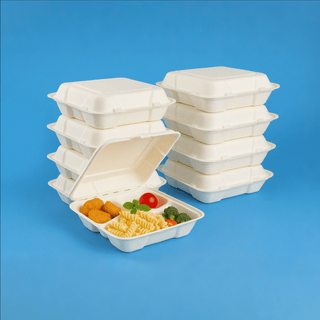
This approach is perfect for lunch specials, to-go meals, and bento boxes. You can create well-presented, pre-portioned meals that appeal to busy professionals and health-conscious families. The right packaging elevates these offerings even further. High-quality, eco-friendly packaging signals quality and care. In fact, a huge number of consumers, over 80%, are willing to pay more for sustainable products. More than half will pay up to a 10% premium for sustainable food packaging.
Using a premium container like the Jolly Chef White Rectangle 5-Compartment Tray is an excellent choice. It is made from 100% biodegradable sugarcane fiber, which appeals to environmentally-aware customers. The five compartments keep different foods neatly separated, which is perfect for portion control and enhances the meal's presentation. This shows you value both quality food and sustainability.
Offer Smart Customization and Add-Ons
Allowing customers to build their own meals is a fantastic way to promote healthy eating. Customization puts them in charge of their ingredients. This is a core part of how to incorporate healthier menu options without alienating your regular customers, as it gives everyone the power of choice.
You can create a "Build Your Own" section for popular items like:
-
Salads
-
Grain Bowls
-
Sandwiches
-
Wraps
Offer a variety of fresh, healthy bases, proteins, and toppings. Let customers choose from options like mixed greens, quinoa, grilled chicken, tofu, avocado, nuts, and seeds. This format works for everyone. A customer wanting a classic Caesar can build one, while another can create a vegan quinoa bowl with chickpeas.
This level of personalization is also highly profitable. One major restaurant brand saw over $100 million in new revenue after offering personalized recommendations to its customers. When you help customers build their perfect meal, you increase satisfaction, encourage repeat business, and boost your sales.
Market Your New Menu Effectively
Introducing healthy dishes is only the first step. You must market them effectively to see real results. A strong marketing plan ensures both new and loyal customers know about your exciting new options. This helps you build momentum and drive sales.
Train Staff to Be Menu Ambassadors
Your staff are your most valuable marketing asset. You need to train them to be confident ambassadors for your new menu. When they can speak passionately about the dishes, they can guide customers effectively.
Pro Tip: Make Training Engaging 💡 Turn training into a fun activity. Host taste-testing sessions so staff can experience the flavors firsthand. You can also use role-playing games to help them practice answering customer questions. This builds their confidence and knowledge.
Educate your team on the positive benefits of the new dishes, like increased energy and overall well-being. This allows them to frame healthy choices as an exciting upgrade, not a compromise.
Promote New Dishes on Social Media
Social media is a powerful tool for showcasing your new healthy items. Visual content is key to grabbing attention and making mouths water.
Many restaurants find success with specific strategies. For example, Essence Bistro saw a +280% increase in Reel interactions by using short-form videos and partnering with local food influencers. You can create similar buzz.
-
Post high-quality photos and videos of your new dishes.
-
Share behind-the-scenes content showing how you prepare meals with fresh ingredients.
-
Use engaging formats like Instagram Reels to tell a story about your food.
This approach helps you build a community and generates authentic excitement around your menu.
Gather Customer Feedback to Refine Offerings
Feedback helps you understand what is working and what needs improvement. You can use simple tools to collect valuable opinions from your diners. This data allows you to make smart, customer-driven decisions.
Consider placing QR codes on tables that link to a short, mobile-friendly survey. You can offer a small discount on a future visit to encourage participation. Other effective methods include:
-
Simple comment cards left with the check.
-
Digital surveys on tablets at your exit.
-
Monitoring reviews on platforms like Google and Yelp.
By analyzing this feedback, you can identify popular dishes and refine your menu to better meet customer desires.
Adding healthy dishes is a forward-thinking growth strategy. It enhances your menu, not replaces it. You learned how to incorporate healthier menu options without alienating your regular customers by following three key steps. You can make smart food swaps, use clear menu design, and market your new dishes effectively. This balanced approach helps you attract new diners in a growing market, which is projected to reach USD 897.0 billion by 2025. You will build loyalty across all customer groups and secure your restaurant's future success.
FAQ
How can I add healthy dishes without losing my regular customers?
You can introduce healthy options gradually. Start with healthier cooking methods or ingredient swaps for existing dishes. Add new plant-based items instead of replacing old favorites. This expands your menu and gives all customers, new and old, more choices without feeling forced to change.
What is the most cost-effective way to start offering healthier food?
Smart ingredient swaps are very cost-effective. You can use Greek yogurt instead of heavy cream or whole-wheat flour instead of white flour. Offering healthier cooking methods like grilling instead of frying also requires minimal investment. These small changes make a big nutritional impact.
How do I promote my new healthy menu items effectively?
You should train your staff to be menu ambassadors. Use social media to post appealing photos and videos of your new dishes. You can also gather customer feedback with simple surveys to refine your offerings. This creates excitement and shows you value customer opinions.
Will customers really pay more for eco-friendly packaging?
Yes, many customers value sustainability. Using high-quality, eco-friendly packaging like sugarcane fiber trays shows you care about quality and the environment. This enhances your brand image. Customers often see it as a sign of a premium, thoughtful dining experience and are willing to support it.