



Why Wholesale Restaurant Supply Saves Your Margin
When you buy disposable cups, paper napkins, to go containers, and disposable cutlery through wholesale restaurant supply channels, you can cut costs by a meaningful margin compared to retail purchasing, a cost-saving strategy widely recognized by restaurant industry experts. That difference goes straight to your bottom line instead of padding a middleman's profit.
How Does Buying Disposable Cutlery and Paper Cups Wholesale Lower Your Costs?
Switching to wholesale disposable tableware unlocks three major cost-saving mechanisms. These aren't minor differences. We're talking about cost reductions large enough to have a noticeable impact on operating margins for high-volume foodservice businesses.
Eliminating Multi-Layer Distribution Markups
Wholesale restaurant supply vendors reduce costs by streamlining the supply chain. Retail channels typically involve multiple stages—from distributors to regional agents to retail stores, with each layer adding profit margins. In contrast, wholesale suppliers deliver directly to foodservice businesses, bypassing these intermediary steps.
The pricing advantage of this direct supply model is quite significant. For example, a case of paper cups with identical specifications may cost substantially more per unit through retail channels than through wholesale, even when product quality is exactly the same. This price gap stems primarily from retail store overhead and layered distribution markups, rather than differences in the product itself.
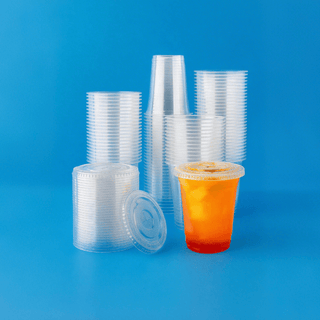
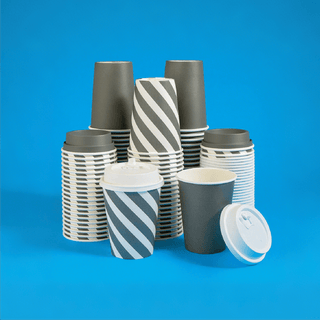
Wholesale suppliers can offer more competitive pricing through direct delivery models. For instance, JollyChef's bulk paper cups and paper napkins use a direct supply approach, allowing restaurants to enjoy better purchasing prices without absorbing the additional costs of retail intermediaries.

Volume Discount Tiers
Wholesale pricing works on tiers. The more you buy, the less you pay per unit. Here's how it typically works with paper napkins:
When you order just a few cases, you pay the standard per-case rate. At moderate commercial volumes, the per-case price drops. At high-volume order thresholds, restaurants typically access the lowest available unit pricing.
When you move into higher tiers, the savings multiply across your entire order. A busy restaurant ordering consistently throughout the year can see meaningful cumulative savings simply by aligning purchases with volume thresholds rather than frequent small orders.
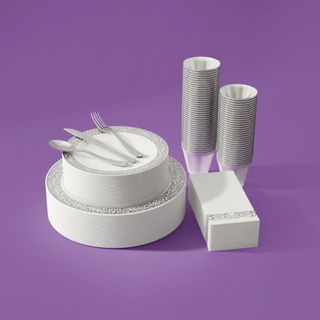
JollyChef’s tiered pricing for bulk disposable cutlery and containers exemplifies this: the more you order, the more per-unit savings you unlock, perfect for high-volume restaurants.
[[related_products_2]]
Cutting Out the Middleman Markup
Retail stores typically add multiple layers of markup to disposable foodservice items. The price gap between retail and wholesale for items like disposable cutlery can be substantial on a per-thousand-unit basis, especially for frequently used items. Over the course of a year, even small per-unit differences translate into material annual cost reductions, a trend that consistently yields material annual cost reductions.
Wholesale suppliers operate on lower margins but higher volume. Your restaurant benefits every time you reorder.

How Much Money Do Bulk Napkins and Paper Napkins Really Save?
Paper products disappear fast in restaurants. Buying bulk napkins through wholesale channels has a measurable impact on monthly operating expenses, particularly for quick-service and fast-casual formats.
Retail vs. Wholesale Price Comparison
The price gap is larger than many owners expect. Standard consumer-pack napkins sold through grocery or office-supply retail channels typically carry significantly higher per-unit costs than functionally equivalent foodservice-grade napkins purchased wholesale. In many cases, wholesale pricing represents a substantially lower cost per thousand units, even before volume incentives.
Calculating Annual Usage Costs
Consider a typical quick-service restaurant that uses hundreds of napkins per day, a usage level that is standard for busy counter-service operations. Over a year, that results in tens of thousands of napkins consumed annually.
When comparing retail versus wholesale sourcing at that scale, restaurants often identify four-figure annual savings on napkins alone, depending on volume and local pricing structures.
Storage vs. Order Frequency Balance
Buying bulk napkins requires storage space, but frequent ordering carries its own costs. Each order involves delivery fees, staff receiving time, and invoice processing, all of which add indirect labor expenses.
Many restaurants find that monthly or quarterly ordering cycles strike the best balance between storage needs and purchasing efficiency, a practice that reflects a core principle of efficient inventory management.
Why Do To Go Containers Wholesale Affect Your Profit Margins?
With the industry-wide growth of takeout and delivery, packaging costs play a larger role in profitability than many operators expect.
Hidden Costs of Disposable Containers
Small price differences in packaging directly impact your bottom line. As high-frequency disposables, the gap between retail and wholesale costs scales rapidly over time. Reducing per-unit costs through wholesale channels significantly boosts annual net profit without requiring an increase in sales volume.
Choosing Food Tray and Container Sizes
- Standardization is Key: Smart restaurants typically standardize on three to four core container sizes. This allows higher order volumes per SKU, unlocking better wholesale pricing and simplifying inventory control.
- Menu Alignment: Work with your kitchen to identify which sizes cover the majority of menu items. Then commit to buying those in bulk.
- A typical setup: Small containers for sides, medium for entrees, large for family meals, and standard food trays for fried items.
Packaging Cost Impact on Customer Experience
Cheap packaging makes food look cheap. But expensive packaging kills margins. Wholesale restaurant supply gives you the sweet spot. You can afford decent quality containers because per unit cost is low enough.
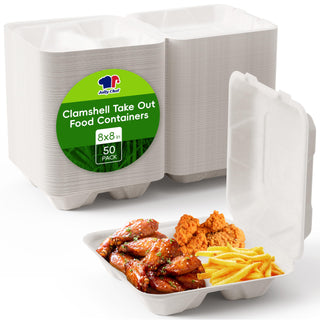
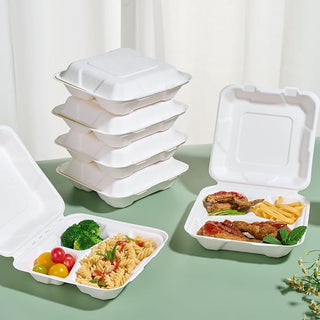
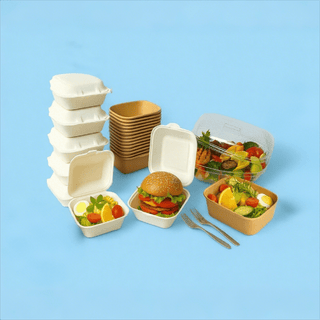
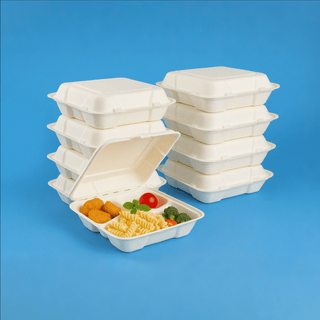
Packaging quality affects perceived food value. Wholesale restaurant supply enables operators to choose commercial-grade containers that meet food safety and performance standards, without absorbing premium retail pricing. Proper containers help maintain temperature, prevent leaks, and present food professionally—factors directly tied to repeat orders in off-premise dining research.
With JollyChef containers, restaurants can deliver both quality and cost savings, keeping customers happy while maintaining healthy margins.

How to Pick the Right Wholesale Restaurant Supply Vendor?
Not all wholesale suppliers are equal. Follow these steps to find a reliable partner who saves you money without creating headaches.
Step 1: Request and Test Sample Products
Order samples before committing to large purchases. Run practical tests:
- Fill paper cups with hot coffee and iced drinks, let them sit for 30 minutes
- Load to go containers with your actual menu items, including saucy dishes
- Try cutting food with disposable cutlery to check if they bend or snap
- Ask yourself: would you be proud to hand these to customers?
Step 2: Verify Quality Certifications
Ask potential suppliers for FDA food-contact compliance documentation, which confirms that disposable cups, containers, and cutlery meet U.S. food safety standards.
Step 3: Calculate Your Usage Rates
Before discussing minimums, know your numbers:
- Count how many paper napkins, disposable cups, and to go containers you use weekly
- Multiply to estimate several months of usage for your ideal order quantity
- Check your storage space capacity
Most wholesale vendors have minimum order requirements. Make sure these align with several months of actual use, not excessive quantities you can't reasonably store.
Step 4: Evaluate Delivery and Payment Terms
Ask these specific questions:
- What's your delivery schedule? (weekly, bi-weekly, monthly)
- Is shipping free over certain dollar amounts?
- How do you handle shortages or damaged bulk napkin deliveries?
- What payment terms do you offer? (upfront, net 30, net 60)
New customers usually pay upfront initially. After proving you're reliable, negotiate better payment terms to improve cash flow.
Step 5: Check Product Range Completeness
Find a supplier carrying everything: disposable cups in multiple sizes, bulk napkins, various to go containers, disposable cutlery, plus basics like gloves and bags. One primary vendor simplifies your life with consolidated ordering, single delivery tracking, and better volume pricing.
FAQs
Q1. How Do I Transition from Retail to Wholesale Restaurant Supply Without Disrupting Operations?
Start slow and smart. Don't switch everything at once. Pick one high-volume category, like paper cups or bulk napkins, and order a trial quantity from your chosen wholesale supplier. Once you're confident, gradually add more categories. Keep a small retail backup for true emergencies during the transition. Most restaurants complete the full switch within a couple of months. Create a simple spreadsheet tracking what you order from where, so nothing falls through the cracks during changeover.
Q2. What Happens if I Receive Damaged Disposable Cups or Wrong to Go Containers in My Wholesale Order?
Reputable wholesale suppliers have straightforward return policies. Document any damage immediately with photos before unpacking everything. Contact your supplier the same day—most offer replacements or credits quickly. Many will send correct items on the next scheduled delivery at no charge. This is why building a relationship matters. Established customers get faster problem resolution. Always inspect deliveries when they arrive rather than days later. Some suppliers provide return authorization numbers for damaged goods. Keep all packing slips and invoices until you've verified the entire order is correct.
Q3. Can Switching to Wholesale Restaurant Supply Help During Slow Business Periods?
Absolutely. Lower costs on disposable cutlery, paper napkins, and to go containers mean your break-even point drops. During slow periods, every dollar matters. The fixed costs you've already reduced through wholesale buying give you more breathing room when revenue dips. Some restaurants use their wholesale savings to build a cash reserve specifically for slow seasons. Others reinvest the savings into marketing to drive more business. Either way, paying less for essential supplies means you can weather downturns better than competitors who still pay retail prices for the same items.
Conclusion
Switching to wholesale restaurant supply for disposable cups, paper napkins, to go containers, and disposable cutlery redirects spending away from retail markups and toward operational efficiency. By sourcing through wholesale channels, restaurants can materially improve margins over time, especially in high-volume operations.
For restaurants looking to maximize savings while maintaining a professional presentation, JollyChef offers a full range of wholesale restaurant supplies, including paper cups, napkins, and disposable cutlery, helping you save on costs while impressing customers. Explore our products at jollychef and optimize your supply strategy today.