

Street Food Packaging Guide: How to Stop Leaks and Cut Waste in 2026
Running a street food business in 2026 means dealing with spills, complaints, and money down the drain—and customers now expect packaging that’s cleaner, sturdier, and less wasteful. The good news? The right food packaging fixes all three problems. Let's talk about what actually works when you're serving customers on the go.
Which Disposable Cups with Lids Prevent Leaks for Different Street Foods?
Not all cups are created equal. Your iced coffee needs different protection than your soup or smoothie. Here's what works in real-world conditions.
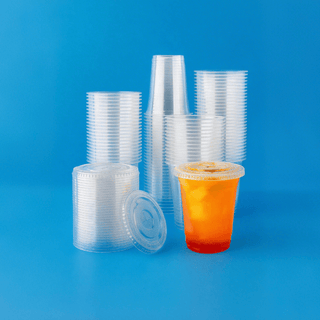
Clear Plastic Cups for Cold Beverages and Smoothies
Clear PET cups are your best friend for cold drinks. They let customers see what they're getting, which matters more than you'd think. The key is matching the right lid to your cup size. A mid-size cup needs a snug lid that clicks into place, not one that just sits on top.
Look for cups with rolled rims. That little lip gives the lid something to grip onto. Without it, you're asking for trouble every time someone takes a sip while walking. The material thickness matters too. Super-thin cups feel flimsy and give customers zero confidence in your product.
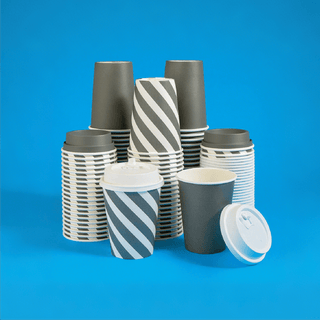
Insulated Options for Hot Coffee and Tea
Double-walled cups cost more upfront but save you money on sleeves and prevent burns. Single-wall cups need sleeves, which means stocking two products instead of one. Do the math on your volume, and insulated cups usually win.
The lid matters even more with hot drinks. Those cheap snap-on lids pop off when someone squeezes the cup. Find lids with a secure lock mechanism. Your customers shouldn't need three napkins just to drink their coffee safely.
Dome Lid Solutions for Toppings and Whipped Drinks
Dome lids give you room for whipped cream, fruit toppings, or extra ice. Just make sure the sip opening is spill-resistant—prefer sliding covers or sturdy hinged flaps over flimsy flip tabs. Those little flip tabs that break off after one use? Skip them. Get lids with sliding closures or sturdy hinged flaps.
Secure Seal Features That Stop Spills
The seal between cup and lid determines everything. Press-fit lids work if the lip diameter matches perfectly. Even slight mismatches mean leaks. Test your setup by shaking a full cup upside down before you buy in bulk.
Tab-lock lids add security but slow down service. Friction-fit designs work faster during rush hours. Pick based on your speed needs, but never sacrifice seal quality for speed.

How Do You Choose Leak-Proof Soup Containers with Lids?
Soup containers face the toughest job in food packaging. Hot liquid, steam pressure, and bumpy deliveries all test your container's limits. Here are the key points to check when buying.
Snap-Lock Lid Mechanisms for Secure Transport
Choose lids with multiple locking points, not just a couple. More contact points mean better seal distribution. The test is simple: you should hear a clear "click" when closing the lid. If you can't hear or feel the snap, the lid fails.
Material choice depends on soup temperature:
- Very hot soup: Choose polypropylene containers (more heat-resistant)
- Warm foods: Foam containers can work too (better insulation)
Before buying, press around the lid edges with your fingers. Every lock point should grip firmly with no looseness.
Ventilation Design for Hot Liquid Safety
For very hot soups, venting can help, but vents can't become leak points. Steam needs somewhere to go, or pressure builds up and pops the lid. Good soup container vents come in two designs:
- One-way valve style: Lets steam out, keeps liquid in
- Small channel style: Tiny grooves along lid edges release pressure
If you’re packing near-boiling soup, avoid lids that trap steam with no release path, because pressure buildup can cause the lid to pop inside a customer's bag or car.
If you want a ready-made solution, Jolly Chef’s Litopak paper soup containers are described as sturdy and leak-proof, and they come with vented lids plus microwave-safe convenience—exactly the kind of “hot soup + delivery bumps” packaging street vendors need.
Material Durability for Sauces and Broths
Thickness standard: Choose sturdy containers that keep their shape when filled. Thin containers buckle when filled with heavy liquid. Press the container sidewall with your fingers - it should feel firm with good support.
Check the bottom reinforcement ribs: Flip the container over and look at the base. You should see raised reinforcement rib designs. These ribs prevent the bottom from sagging when filled with liquid.
Choose material based on food type:
- Oil-based sauces, braised dishes: Polypropylene often performs best for heat + oils
- Clear soups, water-based sauces: Paper or sugarcane fiber containers (need a waterproof liner)
Base Stability to Prevent Tipping
Base width rule: choose a wide, stable base relative to the container height. Pick up a filled container - the base should be noticeably wider than the top, so it won't tip easily in bags.
Shape choices:
- Round containers: Can roll more easily, avoid them for deliveries
- Rectangular containers: Stackable, don't move in delivery bags
Flat-bottom > Rounded-bottom: Flat-bottomed containers sit steady in cup holders and bags. Even with care, round-bottomed containers tip easily.
The core of choosing the right soup container comes down to: secure locks, proper ventilation, adequate thickness, and a stable base. Meet all four points, and your soup containers won't let you down.

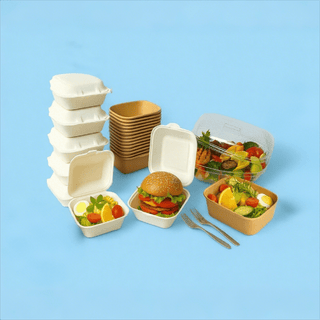
What Makes To Go Boxes and To Go Containers Cut Waste?
Waste happens when you use the wrong size, wrong material, or wrong design. Smart choices in to go boxes directly impact your food costs and customer satisfaction.
Right-Sizing Strategies for Portion Control
Using a large box for a small sandwich wastes material and makes the food slide around. Match your container size to your actual portions. Standard sizes usually come in small, medium, and large footprints. Measure your typical servings and buy accordingly.
Oversized containers make portions look small. Undersized ones squish the food. Both create unhappy customers. The right fit makes your food look generous and protects presentation.
Compartmentalized Designs to Reduce Food Mixing
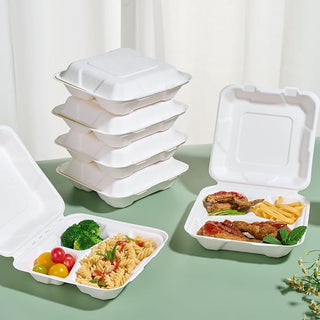
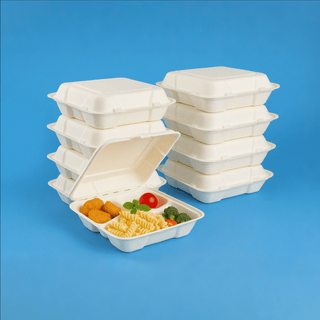
Three-compartment containers keep sauces separate from crispy items. This simple feature prevents soggy fries and watery salads. The dividers need to be tall enough to actually separate foods, so liquids don’t flood into crispy items.
Hinged containers with compartments work better than separate sauce cups. Fewer pieces mean faster packing, and nothing gets forgotten. Your staff will thank you during lunch rushes.
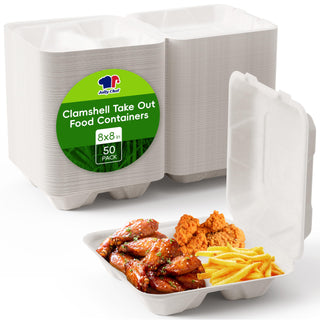
For example, Jolly Chef offers sugarcane 3-compartment takeout containers that are made for combo meals and bento-style portions—so you can separate fries, protein, and salad without extra sauce cups. This kind of setup cuts waste, speeds up packing, and keeps food looking “fresh” when customers open the lid.
Grease-Resistant Materials That Prevent Soaking
Paper containers need grease barriers, or oil soaks through in minutes. Look for containers with aqueous coating or wax lining. Plastic-lined paperboard handles the greasiest foods without leaking.
Molded fiber containers work great for dry foods, but fail with oily items unless treated. Always test containers with your actual menu items before committing to large orders.
Stackable Food Packaging for Storage Efficiency
Nesting containers save a lot of storage space compared to non-nesting designs. When you're working out of a food truck or small kitchen, that space matters. Check that containers nest when empty but don't get stuck together.
Uniform sizing across your packaging lineup simplifies inventory. Using three standard sizes instead of seven different ones cuts storage needs and reduces ordering mistakes.
How Can Street Food Vendors Maximize Efficiency with Food Packaging?
Efficiency means spending less time on packaging and more time serving customers. The right setup makes everything move faster.
Multi-Purpose To Go Containers for Menu Flexibility
Step 1: List all your menu items and note the size requirements for each dish.
Step 2: Purchase a few sample containers in different sizes for real testing.
Step 3: Test with actual food plating and record which container fits the most items.
Step 4: Only bulk purchase the versatile styles that passed testing, and avoid stocking specialized containers.
An 8x8-inch hinged container can hold sandwiches, salads, rice bowls, and fried chicken. Three versatile containers are more efficient than seven specialized ones.
Cost-Effective Bulk Purchasing Strategies
Step 1: Observe for a week or two and record how many containers you use daily.
Step 2: Calculate monthly usage: daily orders × containers per order × 30 days.
Step 3: Compare case and pallet pricing, and assess if you have enough storage space.
Step 4: Consider joining a restaurant supply co-op or inquire about consignment programs.
Buying by the pallet is much cheaper than buying by the case, but requires storage space and consistent volume.
Eco-Friendly Options That Maintain Performance
Step 1: Choose materials based on food type - PLA for cold items, bagasse fiber for hot items.
Step 2: Purchase small sample batches first and test for one week.
Step 3: Watch for leaking, warping, or soaking issues.
Step 4: Only bulk purchase after confirming performance.
A mixed strategy works best: eco-friendly materials for cold foods, recyclable plastic for hot foods.
Customer Satisfaction Through Reliable Packaging
Step 1: Record total daily orders and packaging complaints each day.
Step 2: Calculate complaint rate and set warning thresholds.
Step 3: Immediately switch container suppliers when complaints are frequent.
Step 4: Track complaint rate changes after upgrading.
Customer trust from reliable packaging is more effective than any marketing, and the cost of better packaging is always less than the cost of losing customers.
FAQ
Q1. What Temperature Range Should Food Packaging Handle for Street Food?
Food packaging for street food needs to handle temperatures from chilled items to very hot soups. Cold items like smoothies start near freezing, while soups can be extremely hot when freshly prepared. FoodSafety.gov defines the bacterial “Danger Zone” as 40°F–140°F (4°C–60°C), so cold foods should be held at 40°F (4°C) or below and hot foods at 140°F (60°C) or above. For hot liquids, polypropylene containers are commonly used because they tend to hold shape better at higher temperatures, while foam and some paper options may soften or deform with very hot foods—always confirm the manufacturer’s rated temperature guidance for your exact container.
Q2. How Long Can Food Safely Stay In Disposable Containers?
Food safety depends more on temperature control than container type. FoodSafety.gov recommends refrigerating perishable food within 2 hours (or within 1 hour if exposed to temperatures above 90°F/32°C). Most to-go containers aren't designed for extended storage; they're meant for immediate transport and consumption. If customers plan to eat later, remind them to refrigerate within that window. The container material doesn't make food last longer; proper temperature control does.
Q3. Can You Microwave Food in to Go Boxes and Containers?
It depends on the material and labeling. Only containers marked microwave-safe should go in microwaves. Polypropylene containers with a microwave-safe symbol can often be reheated safely. Never microwave foam containers, aluminum containers, or anything with metal components like foil edges. Paper containers without plastic linings usually work fine for reheating. If the container isn’t clearly labeled, advise customers to transfer food to a plate before microwaving.
Conclusion
In 2026, the goal isn’t just “a container that holds food”—it’s a system that prevents leaks, reduces overpacking, and cuts single-use extras without slowing service. Start with one packaging upgrade and track the difference in your costs and customer feedback. Upgrade one item this week—start with your biggest leak problem (iced drinks, soup, or greasy combos), and test a Jolly Chef solution for 3–5 days. When complaints drop, you’ll feel the savings immediately.