

Master Your Kitchen Workflow
Does your kitchen feel chaotic? If you're spending precious minutes just hunting for one spice jar, you're not alone. Americans are spending more time cooking now than they did 20 years ago, making an organized kitchen more important than ever.
What if your kitchen worked for you, not against you? The secret lies in Improving Kitchen Efficiency: Organize Ingredients to Save Time. Simple changes, like using high-quality Meal Prep Containers from Jolly Chef, can completely transform your space. Let's turn that daily frustration into a smooth, enjoyable workflow and help you host like a pro.
Key Takeaways
Start by cleaning out your kitchen. Get rid of things you do not use. This makes space for better organization.
Organize your kitchen into zones. Group items by how you use them. This makes cooking easier and faster.
Use 'everything in its place' for cooking. Prepare all ingredients before you start. This helps you cook smoothly and with less stress.
Batch cook meals for the week. Prepare food ahead of time. This saves time on busy days.
Keep your kitchen tidy with a weekly reset. Spend 15 minutes each week to clean and organize. This helps keep your kitchen neat.
Improving Kitchen Efficiency: Organize Ingredients to Save Time
Ready to take back your kitchen? The journey to a smoother workflow starts with a clean slate. Following these steps is key to improving kitchen efficiency: organize ingredients to save time and make every meal prep session a breeze. Let's dive in!
The Foundational Kitchen Purge
First, you need to see what you're working with. This initial step of decluttering and organizing can feel big, but you can tackle it easily.
Pro Tip: Play some music to make the process more enjoyable!
Follow this simple plan to get started:
Empty Everything: Take all items out of one cabinet or pantry section. Place them on a clear counter or table.
Sort Your Items: Create four piles: Keep, Donate, Trash, and Action (for items that need fixing). Be honest about what you truly use.
Edit the 'Keep' Pile: Look at your keep pile again. Do you have three can openers? Keep the best one. This is a crucial step for improving kitchen efficiency: organize ingredients to save time.
Deep Clean Your Empty Spaces
With your cabinets and drawers empty, it's the perfect time for a deep clean. A fresh space makes your prep work feel better. You don't need harsh chemicals to get a great result.
Stainless Steel: Wipe with a soft cloth and soapy water. Always wipe in the direction of the grain to avoid streaks.
Granite Countertops: Use a mix of mild dish soap and warm water. Avoid acidic cleaners like vinegar, which can damage the stone.
Wood Surfaces: Clean with mild soap and water. You can disinfect with a simple one-to-one vinegar and water solution.
Evaluate Your Tools and Appliances
Now, decide what earns a spot back in your kitchen. Think about quality over quantity. As organizing expert Dana K. White says, “You want to let go of kitchen items that don't reflect your current reality.” If your candy-making phase is over, it's time to let those tools go.
Ditch single-use gadgets like electric quesadilla makers when a simple skillet does the job. This is vital for improving kitchen efficiency: organize ingredients to save time. Instead, focus on versatile essentials like a sharp chef's knife, a durable cutting board, and a good set of mixing bowls. Focusing on core tools will boost your daily prep and overall baking efficiency. This approach is fundamental to streamlining your baking process and is the secret to improving kitchen efficiency: organize ingredients to save time. Better organizing now means faster prep later. This simple change greatly improves baking efficiency.
Organizing Your Kitchen with Strategic Zones
After purging and cleaning, you have a fresh canvas. Now, it's time for the fun part: organizing your kitchen with a system that makes sense for you. Instead of just putting things back, you will create strategic zones. This approach turns your kitchen into an intuitive workspace where everything has a logical home.
The Logic of Kitchen Zoning
You might have heard of the classic "kitchen work triangle." This design principle connects your three busiest areas: the sink, the stove, and the refrigerator. The goal is to make movement between them efficient. Each side of the triangle should ideally be between four and nine feet long, with no obstacles in the way.
However, modern kitchens are often bigger and serve more purposes. You might have a large island, extra appliances, or even multiple cooks working at once. That’s why many designers now focus on creating "kitchen zones." Think of these as mini-workstations dedicated to specific tasks.
What are Kitchen Zones? A zone is an area where you group all the tools and ingredients needed for a particular activity. This simple shift from a triangle to zones prevents traffic jams and makes multitasking a breeze.
Common zones include:
Prep Zone: Your main counter space, usually near the sink and trash can.
Cooking Zone: The area around your stove, oven, and microwave.
Cleaning Zone: The sink, dishwasher, and drying rack.
Storage Zone: Your pantry and refrigerator for food items.
Beverage Zone: A spot for your coffee maker, mugs, and glasses.
Arrange Your Pantry by Category
A well-organized pantry is the heart of an efficient kitchen. Grouping items by category is one of the best organizing ideas to speed up your meal prep. You’ll always know exactly where to find that can of tomatoes or bag of quinoa.
First, create broad categories that work for you. Here are some to get you started:
Start with General Groups: Think about categories like Baking, Breakfast Foods, Grains & Pasta, Canned Goods, Oils & Vinegars, and Snacks.
Personalize Your System: Adjust these categories to fit your family's habits. You could create a "Taco Tuesday" bin, a smoothie station shelf, or separate snack bins for kids and adults.
Use Containers to Enforce Order: Once you have your categories, use containers to keep them tidy. This is where effective food sorting really shines. Clear containers for dry goods like flour, sugar, and pasta let you see what you have at a glance. For canned goods, a dispenser rack ensures you use the oldest items first. For grab-and-go items, stackable bins are perfect. This system makes every prep session faster and reduces food waste.
Store Everyday Items Within Reach
Ergonomics might sound like a complicated word, but it’s a simple idea: set up your space to reduce physical strain. Storing items smartly means less bending, stretching, and searching. This makes your daily prep routine much more comfortable and efficient.
Follow these simple rules for easy access:
Prime Real Estate: Store your most-used items—like your favorite pan, everyday dishes, and go-to spices—at eye level or on the first shelf of a lower cabinet. You should be able to grab them without thinking.
Heavy Items Go Low: Place heavy items like stand mixers, Dutch ovens, or bulk bags of flour in lower cabinets or drawers. This prevents accidents and makes them easier to lift.
Light Items Go High: Store lighter, less-frequently-used items on the top shelves. Think serving platters, seasonal cookie cutters, or extra paper towels.
Maximize Awkward Spaces: Make corner cabinets useful with a lazy Susan or pull-out shelving. You’ll be able to access everything without having to dig into the back of the cabinet.
Equip Your Zones with Quality Tools
The final step in organizing your kitchen is equipping your new zones with the right tools. Having high-quality, well-organized gear makes cooking and prep work a joy.
Start with your drawers. Instead of a jumbled mess of utensils, use organizers to create order.
Organizer Type |
Key Features |
Best For |
|---|---|---|
Bamboo Expandable Organizer |
Expands to fit your drawer; has long sections. |
Cutlery, spatulas, and whisks. |
Deep Compartment Tray |
Features extra-deep (2.5-inch) compartments. |
Maximizing vertical space in deep drawers. |
In-Drawer Knife Dock |
Uses cork or wood dividers to protect blades. |
Safely organizing your sharp knives. |
Beyond drawers, think about the quality of your cookware. Durable materials like cast aluminum or aluminized steel offer excellent performance and last for years. Investing in good tools means more consistent cooking results and a better overall experience. Proper organizing ensures these tools are always ready for your next meal prep.
Time-Saving Tips for Busy Home Cooks
Organizing your kitchen is a fantastic start, but the real magic happens when you refine your daily habits. These time-saving tips will help you move from a reactive cook to a proactive chef. You can reclaim your evenings and make cooking a joy, even on the busiest days. Let's explore how busy home cooks can master their kitchen workflow.
Boost Prep Efficiency with 'Mise en Place'
Have you ever watched a cooking show and noticed how the chef has all their ingredients in little bowls, ready to go? That’s ‘everything in its place’ (pronounced meez-on-plahs), a French term meaning "everything in its place." It’s more than just a technique; it’s a mindset that transforms cooking from a stressful scramble into a calm, focused process. Adopting this practice is the single best way to boost your prep efficiency.
This approach of "front-loading the effort" allows you to carry out the cooking process gracefully. You gain a sense of control, which makes cooking more enjoyable and less like a chore. The core benefits include:
Advance Planning: You can spot missing ingredients before you start, giving you time to adapt the recipe.
Streamlined Workflow: With everything ready, you can focus entirely on the cooking, not on finding a can opener or chopping another onion.
Fewer Errors: Task switching leads to mistakes. A good prep routine minimizes interruptions, so you're less likely to burn the garlic.
Ready to try it? Here’s how you can bring this professional practice into your home kitchen:
Read the Recipe First: Read the entire recipe from start to finish. This helps you understand every step and what you'll need. Create a mental prep list of all the chopping, measuring, and mixing required.
Gather Your Ingredients: Pull everything out of the pantry and fridge. Place all your tools—knives, bowls, pans—on the counter.
Prep Your Ingredients: Now, do all the prep work. Wash the veggies, chop the onions, measure the spices, and zest the lemon.
Organize Your Workspace: Arrange your prepped ingredients in the order you will use them. This makes the actual cooking smooth and fast.
Master Batch Prepping for the Week
Batch prepping is the ultimate secret weapon for anyone with a packed schedule. The idea is simple: you dedicate an hour or two on the weekend to prep ingredients or full meals for the week ahead. This initial investment of time pays off every single day. You'll have healthy, home-cooked meals ready in minutes, which is far better than ordering takeout. This method is a cornerstone of efficient restaurant food prep and works just as well at home.
Pro Tip: Start small! You don't have to prep every meal for the week. Begin by prepping ingredients for two or three dinners, like a big batch of chili or a versatile stir-fry.
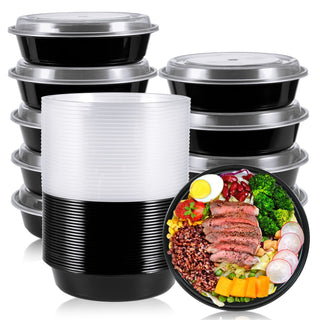
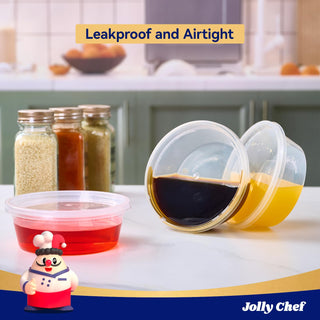
To succeed at batch prep, you need the right tools. This is where high-quality storage comes in. We recommend Jolly Chef's Plastic Round Meal Prep Containers. They are specifically designed to make your food prep easier and more effective. These containers are made from durable, BPA-free plastic, so you can store your food with confidence. Their 100% leak-proof lids mean you can pack soups and sauces without worrying about spills in your fridge or lunch bag.
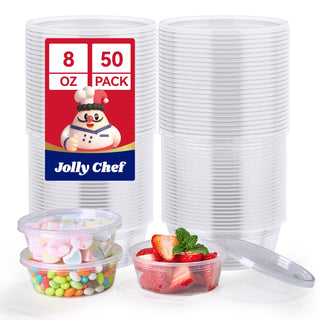
The stackable design is a huge space-saver, keeping your fridge neat and organized. Plus, they come in multiple sizes—like 8, 16, and 32 oz—perfect for portioning everything from single servings of stew to side salads or snacks. Using these containers helps you reduce food waste by keeping food fresh and making it easy to see what you have. This level of organization is key to improving your baking efficiency and overall meal prep.
Here are some great meals to start with:
Freezer-Friendly Mains: Chilis, soups, and casseroles like baked macaroni freeze beautifully.
Versatile Proteins: Cook a large batch of shredded chicken or ground turkey to use in tacos, salads, and pasta dishes.
Washed & Chopped Veggies: Having ready-to-go bell peppers, onions, and broccoli makes weeknight stir-fries a snap.
Create a 'Ready-to-Go' Ingredient Shelf
Imagine opening your fridge and finding pre-assembled meal kits, just waiting for you. That’s the idea behind a 'ready-to-go' shelf. You can create your own kits for quick meals like smoothies, salads, or stir-fries. This strategy is all about minimizing decision-making and prep time during a busy week. It's like having your own personal sous chef. Utilizing time-saving kitchen gadgets and a smart prep list can make this process even smoother.
DIY Smoothie Packs: Smoothies are a perfect grab-and-go breakfast. You can assemble freezer packs so all you have to do is add liquid and blend.
Plan & Prep: Decide on your recipes. Wash and chop fruits and leafy greens like spinach.
Assemble Your Packs: Use freezer-safe bags or jars. Add your fruit, greens, seeds, and even a scoop of protein powder.
Freeze: Label each pack with the contents and the date. Lay them flat in the freezer.
Blend: When you're ready, just dump the contents into your blender, add milk or water, and enjoy!
Salad Jars: Layering salad ingredients in a mason jar keeps them fresh and crisp for days.
Dressing First: Pour your dressing into the bottom of the jar.
Hard Veggies: Add hard ingredients like carrots, cucumbers, or bell peppers next.
Grains & Proteins: Layer in quinoa, chickpeas, or chicken.
Delicate Items: Top with softer items like cheese, nuts, and finally, your leafy greens. When you're ready to eat, just shake the jar and pour it into a bowl.
Streamline Your Spice Rack
Is your spice collection a jumbled mess? An organized spice rack is essential for efficient prep and better cooking. When you can find what you need instantly, you save time and frustration. It also helps you keep track of what you have, so you don't buy a third jar of paprika. This simple act of organizing can have a big impact on streamlining your baking process and even your daily restaurant food prep routine.
First, take everything out and check the expiration dates. Spices don't spoil, but they lose their potency over time. A good quality spice will make your food taste better. Here’s a general guide for their shelf life:
Type of Spice/Herb |
Average Shelf Life |
|---|---|
Dried Herbs (basil, oregano) |
1 to 3 years |
Ground Spices (cinnamon, ginger) |
2 to 3 years |
Whole Spices (peppercorns, cloves) |
2 to 4 years |
Once you've purged the old spices, choose an organization system that works for your space.
Drawer Organizer: An in-drawer insert that angles the jars is perfect for seeing all your labels at once.
Wall-Mounted Shelves: Use narrow floating shelves near your stove for easy access to your most-used spices.
Tiered Shelf: A tiered organizer for your cabinet lets you see the spices in the back row.
Organizing your spices is a small project with a big payoff for your daily food prep and baking efficiency. It’s one more step toward making your kitchen a place of calm, creative energy, just like in professional restaurant food prep.
Maintain Order with Smart Inventory
You've purged, cleaned, and zoned your kitchen. Great job! Now, let's make sure it stays that way. Maintaining order is all about smart inventory habits. These simple routines will help you reduce food waste, save money, and keep your kitchen ready for any meal prep session.
Implement the First-In, First-Out (FIFO) Method
Have you ever found an expired can of soup hiding in the back of your pantry? The First-In, First-Out (FIFO) method solves that problem. It’s a simple system used by professional kitchens to ensure older items get used before new ones.
The core principle is easy: If you can’t see it, you won’t use it.
When you bring home new groceries, move the older items to the front of the shelf and place the new ones behind them. This simple rotation makes it easy to grab what you need and helps you use food before it expires. This is a key part of any good food prep strategy.
Use Clear, Stackable Containers and Labels
Clear containers are a game-changer for kitchen organizing. They let you see exactly what you have with just a glance. This eliminates guesswork and helps you quickly assess your inventory for your next prep list.
For a truly efficient system, use quality containers like Jolly Chef's Plastic Round Meal Prep Containers. Their clear, BPA-free design makes it easy to spot your ingredients, which is crucial for the FIFO method. Because they are stackable, they save valuable space in your fridge and pantry, keeping everything neat. This level of organizing makes every food prep task faster. When labeling, be sure to include:
The item's name
The date you prepped or opened it
Keep a Running Grocery List: Digital vs. Magnetic Notepad
A running grocery list prevents last-minute trips to the store. The moment you use the last of an item, add it to your list. But which method is best for you?
Method |
Best For |
|---|---|
Digital Apps |
People who love tech. Apps like AnyList or Google Keep can sync across devices and even organize your list by store aisle. |
Magnetic Notepad |
Those who prefer a simple, hands-on approach. A notepad on the fridge is visible to the whole family, making it easy for anyone to add items. |
Both methods help you create a solid prep list and stick to your plan at the store. The best tool is the one you'll actually use for your weekly prep.
The 15-Minute Weekly Reset Habit
Set aside just 15 minutes once a week to maintain your hard work. This small investment of time keeps chaos from creeping back in. During your weekly reset, you can:
Wipe down counters and appliance fronts.
Quickly tidy one drawer or cabinet.
Update your grocery prep list.
Take out the trash and recycling.
This quick prep routine ensures your kitchen remains a functional and joyful space all week long.
You now have the roadmap to a better kitchen. You learned to purge, zone, prep, and maintain your space. These steps create a smooth food prep workflow. Your weekly prep will feel easier. Good meal prep saves you time and cuts down on stress. This smart prep makes cooking fun again. Your next prep session can be your first step.
Ready to start? Don't try to do it all at once. Just organize one drawer or try a small batch prep for two meals. Your journey to mastering your kitchen prep starts now!
FAQ
How do I start if my kitchen is a total mess?
Feeling overwhelmed is normal! You can start small. Pick just one drawer or a single shelf to purge and organize. This small win will give you the motivation to continue. Celebrate your progress and tackle the next small area when you feel ready.
What's the fastest way to improve kitchen efficiency?
Effective food sorting is your best bet. Group similar items together and use clear containers. This reduces search time. Using quality meal prep containers for leftovers and prepped ingredients helps you see what you have, making meal times much faster.
How often should I deep clean my pantry?
You should aim for a deep clean and purge of your pantry about twice a year. For weekly upkeep, a quick 15-minute reset works wonders. This helps you use up food before it expires and keeps your space tidy.
Are expensive organizing products necessary?
Not at all! You can get creative with what you already own. Jars, baskets, and simple drawer dividers work great. The goal is to create a system that works for you, not to spend a lot of money. The best tools are the ones you'll use consistently.