
Bakery Packaging Ideas That Boost Small Business Efficiency
Running a small bakery means juggling a million things at once. Smart food packaging choices can make your life easier. When you pick the right wholesale food packaging, whether it's to go boxes, paper lunch bags, or deli containers with lids, you're streamlining your entire operation, cutting costs, and keeping customers happy.

What Common Food Packaging Types Work Best for Small Bakeries?
Every bakery needs a solid lineup of packaging options. The key is matching the right container to each product while keeping things simple enough that your staff doesn't waste time figuring out what goes where.
To Go Boxes: Features and Uses
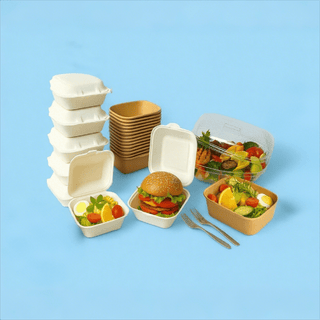
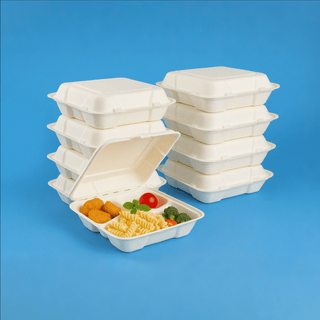
To go boxes are bakery workhorses. They're sturdy, stackable, and range from single-cupcake holders to full cake carriers. Most bakeries stock three sizes: small for cookies, medium for cake slices, and large for whole cakes.
Paper Lunch Bags: Why They Matter
Paper bags are simple but essential. Perfect for grab-and-go items like muffins or cookies. They're cheap, stackable, grease-resistant, and available plain or custom-printed with your logo.
Specialty Dessert Containers: Essential Options
Bakeries that sell desserts need specialized containers for these products. These containers protect the desserts while letting customers clearly see what's inside. Here are several commonly used dessert containers:
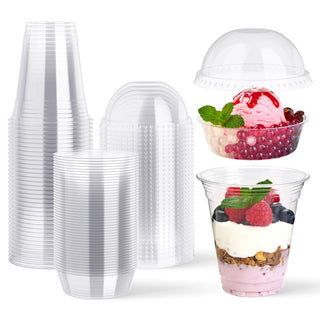
- Dessert cups with lids: This is the basic option. Perfect for mousses, layered desserts, or any single-serving dessert that needs to be sealed. The lids snap on tight so they won't leak, and the clear cups let customers see what's inside. Great for tiramisu, chocolate mousse, or cream desserts.
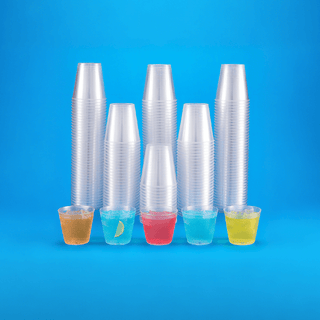
- Mini dessert cups: These are just smaller dessert cups. Perfect for sample sizes, kids' portions, or delicate small desserts. Many customers like to buy several different flavors in mini sizes at once. Use them for mini cheesecakes, small chocolate mousse cups, or fruit purees.
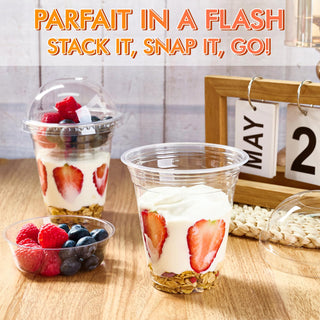
- Parfait cups: Tall, straight, clear cups specifically designed to show off layers. When you fill them with yogurt and granola, tiramisu, or chia seed pudding, every layer is clearly visible. Customers want to buy when they see the beautiful layers.
- Plastic champagne flutes: Despite the name, they're not just for drinks. Using them for upscale single-serving desserts creates a premium feel; think panna cotta, French verrine cakes, or layered fruit and cream. They photograph well and are perfect for weddings, events, or weekend specials.
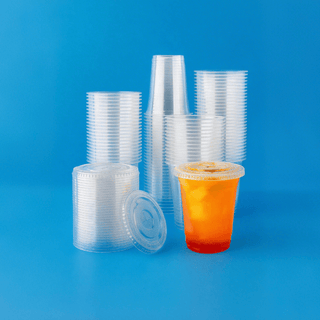
- Clear plastic cups: The most commonly used everyday cups. You can use them for pudding, fruit salad, whipped desserts, and more. The clear body makes the product visible at a glance, and paired with matching lids by size, staff can pack quickly.
Comparing Different Packaging Options
Here's a quick comparison to help you decide what fits where:
| Packaging Type | Best For | Price Range | Storage Space |
|---|---|---|---|
| To Go Boxes | Cakes, pies, large orders | Varies by size, material, and order volume (usually under a dollar to a few dollars each) | Medium |
| Paper Lunch Bags | Individual pastries, cookies | Varies widely by paper weight, grease resistance, and printing (usually a few cents each in bulk) | Low |
| Dessert cups with lids | Mousses, layered desserts, single servings | Low to moderate per unit in bulk (usually under 50 cents each) | Medium |
| Mini dessert cups | Sample sizes, bite-sized treats | Very affordable in bulk (usually 10-30 cents each) | Low |
| Parfait cups | Layered parfaits, trifles, overnight oats | Moderate pricing (usually 30-60 cents each in bulk) | Medium |
| Plastic champagne flutes | Upscale single-serve desserts, verrines | Moderate cost (usually 40-70 cents each wholesale) | Medium |
| Clear plastic cups | Puddings, fruit cups, cold desserts | Very economical in bulk (usually 15-40 cents each) | Low to Medium |
Packaging Usage Guide for Different Scenarios
Choosing the right packaging for actual sales scenarios can double your work efficiency. Here are packaging recommendations for common situations:
Breakfast Rush (7-9 AM)
- Paper Lunch Bags: Pack muffins, bagels, croissants, and other grab-and-go breakfast pastries; customers take them and leave without holding up the line
- Clear plastic cups: Hold overnight oats, fruit yogurt cups, and other chilled breakfast items; the transparent body lets customers quickly identify flavors
- Mini dessert cups: Hold mini fruit cups or small yogurt portions, perfect for office workers who want a little dessert without eating too much
Afternoon Tea Time (2-5 PM)
- To Go Boxes: Medium boxes for cake slices, macaron gift boxes, or mixed pastries, convenient for office sharing
- Dessert cups with lids: Hold tiramisu, mousse, and other delicate desserts; a good seal makes them perfect for taking to the office to enjoy later
- Parfait cups: Hold layered yogurt, chia seed pudding, and other healthy desserts; photogenic and great for social media
Catering Orders for Events
- To Go Boxes: Large boxes for bulk packing pastries by meeting or party headcount, easy to transport
- Plastic champagne flutes: Hold elegant single-serving desserts, perfect for cocktail parties, weddings, and other formal occasions; easy to hold and eat
- Mini dessert cups: Use as samples or welcome treats, one small portion per person; cost-effective yet thoughtful

How to Choose the Right Wholesale Food Packaging Supplier?
Finding a reliable supplier for wholesale food packaging can save you serious money and headaches. But not all suppliers are created equal.
Cost Benefits of Buying Bulk
Wholesale pricing is often meaningfully cheaper per unit than buying small packs. A case of paper lunch bags can cost far less per bag than retail-sized bundles. The math gets even better with to go boxes. Buying by the case instead of small quantities can cut your per-unit cost noticeably. Just make sure you have storage space before going crazy with bulk orders.
Finding the Balance Between Quality and Price
Cheap packaging that falls apart isn't a bargain. Your to go boxes need to hold a full cake without collapsing. Your deli containers with lids should seal properly, or you'll have frosting disasters.
Test samples before committing to large orders. A good supplier will send you samples for free or at a cheap price. Check if boxes bend easily, if bag seams are reinforced, and if container lids actually stay on when stacked.
For layered desserts, test whether parfait cups stay clear (no fogging) and whether the lids pop off when the cup is handled with one hand at pickup.
What to Look for in a Supplier
Reliability matters more than rock-bottom prices. Can they deliver on schedule? Do they have a consistent stock of your regular items? What's their minimum order? Many wholesale suppliers require a modest minimum order, which sounds like a lot but usually isn't when you're buying cases.
Also, check their return policy. You need an out if a shipment arrives damaged.
Planning Your Budget and Minimum Orders
Start by tracking what you use in a month. If you're packing a steady weekly volume of orders, buy a few months’ worth to hit wholesale minimums and get volume discounts. Factor packaging into your pricing.
What's Your Practical Guide to Wholesale Food Packaging Purchasing?
Let's get into the nitty-gritty of actually buying this stuff without overspending or running out of space.
Calculating Costs and Setting Your Budget
Track your packaging usage for a month. Count every paper lunch bag, to go box, and deli container with lids. Multiply by 12 for your annual needs, then shop for wholesale prices. A typical small bakery spends an amount that can range widely based on volume and how packaging-heavy the menu is. Budget around a few percent of your sales (often in the low single digits for many quick-service setups, but it varies a lot). If you're doing strong monthly sales, packaging spend should be planned as a consistent line item, not a surprise cost.
How Much to Buy First Time
Your first wholesale food packaging order should cover a few months. Why? You'll hit minimum order requirements, qualify for decent pricing, but won't tie up too much cash or space. A starter order might look like a case or two of paper lunch bags, a case of medium to go boxes, and a mixed case of deli containers. That's typically a manageable starter spend for many small bakeries and should last a small bakery for a while, depending on order volume.
Figuring Out Storage Space
Packaging takes up room. Plan for it. Flattened to go boxes stack efficiently. Figure dedicated shelving per case and leave clearance to pull boxes without crushing corners. Paper lunch bags bundle tightly. A case can take surprisingly little space compared to boxes. Deli containers with lids nest when empty, but take up more space. Measure your storage area and leave extra room so you have space to actually access things.
FAQs
Q1: What Packaging Mistakes Do New Bakery Owners Make That Hurt Their Efficiency?
The biggest mistake is buying too many different sizes and types right away. New owners often stock too many different box sizes, multiple bag styles, and multiple container options, thinking they need variety. This creates decision fatigue for staff and eats up storage space. Start with three core items: one paper lunch bag size, one medium to go box, and one deli container size. You can always add specialty packaging once you know what actually sells. Another common error is storing packaging too far from the packing station. Every extra step your staff takes adds up to hours of wasted time weekly.
Q2: How Can I Reduce Packaging Waste While Maintaining Efficiency?
Smart portioning is key. Use deli containers with lids for exact serving sizes instead of guessing with boxes. This cuts product giveaway and ensures consistency. Buy paper lunch bags in bulk, but keep different sizes minimal. Train staff to match bag size to order size instead of defaulting to large bags for everything. Consider reusable container programs for regular customers or local office deliveries. They bring back containers, and you refill them. It builds loyalty while cutting your wholesale food packaging costs in a noticeable way over repeat cycles, depending on your return rate and cleaning process.
Q3: Should I Invest in Custom-Printed Packaging or Stick With Plain Wholesale Options?
Plain wholesale food packaging makes sense for the first several months to a year. Focus your budget on quality basics that protect your products. Once you're established and have a steady cash flow, test custom printing on your most-used item first. Usually, that's paper lunch bags since they're cheap to customize and high-visibility. Start with the minimum run your supplier offers, then scale up if it’s working. Custom to go boxes cost more to print but make great impressions for wedding cakes and special orders. Add them second once bags prove the branding value.
Conclusion
Smart food packaging choices directly impact your bottom line and daily operations. Start by tracking what you use this week, then reach out to a wholesale supplier for samples. The right combination of to go boxes, paper lunch bags, and deli containers with lids will streamline your workflow and cut costs immediately.
If you want an easy way to compare bulk-friendly packaging options in one place, take a look at Jolly Chef’s food packaging and paper bag selection and build a simple “case-order” lineup around your bestsellers.