
Mobile Cafe Survival Guide: Leak-Proof, Insulated Packaging That Protects Profits
Running a mobile cafe? Your packaging directly impacts your profit margins. The right leak-proof, insulated cups prevent costly spills and keep drinks hot from your truck to your customer's hands. This guide covers four packaging essentials that protect your bottom line: coffee cups with lids, leak-resistant to-go cups, double-wall coffee cups, and insulated disposable cups.
Why Do Coffee Cups with Lids Matter Most for Mobile Service?
When you're serving coffee from a truck or cart, you're dealing with way more movement than a regular cafe. Customers walk away with hot drinks, drive off, or carry multiple cups at once. Without secure lids, you're basically handing out potential disasters.
Stop Spills at Handoff
Every spill costs you twice. First, you lose the product. Second, you might need to remake it for free. A single latte can represent a few dollars in direct ingredient costs, not counting your time. When you're serving a high volume of customers daily, even a small spill rate can add up to meaningful losses over a month—and thousands over a year—just from preventable accidents.
The handoff moment is one of the most common times spills happen. Your customer reaches for the cup while you're still holding it. A loose lid pops off, and suddenly everyone's morning is ruined. Quality coffee cups with lids stay put during these critical seconds.
Choose the Right Lid
Not all lids work the same way.
- Snap-on lids create an audible click when properly secured, giving you and your customer confidence.
- Dome lids give you extra room for whipped cream but need stronger rim contact to stay sealed.
- Sip-through lids with small openings work great for hot drinks because they limit spill potential even if the cup tips.
- Flat lids with larger openings suit iced drinks better and make drinking easier, though they require more careful handling.
Check the Seal
A proper seal happens at the cup rim.
Quality to go coffee cups have a rolled or reinforced rim that creates consistent contact with the lid.
Cheap cups often have uneven rims that leave gaps where liquid can escape. You can test this yourself: fill a cup with water, snap on the lid, flip it upside down, and squeeze gently. If water leaks, your customers will have the same problem.
Temperature matters too. Hot liquids create pressure inside the cup, pushing against the lid. Cold drinks create condensation that can make lids slip. The best to go for coffee cups that account for both scenarios with properly designed rim-lid interfaces.
Make Sipping Easy and Safe
Your customers want easy sipping, but you need spill protection. A tiny sip hole is safer but frustrating for someone rushing to work. A wide opening feels better, but increases spill risk during that bumpy car ride. Many successful mobile cafes solve this with two lid options: secure snap-ons for commuters and easier-drinking lids for customers who'll finish on-site.

How Do Leak-Resistant To-Go Cups Protect Your Profits?
Leaks don't just lose product. They destroy customer relationships and damage your reputation in ways that cost far more than the spilled coffee.
Estimate Waste Costs
If you serve a high volume of drinks daily and even a small percentage of cups fail, that can turn into multiple failures per day. At a few dollars per drink, product waste alone can add up quickly over time. But the actual cost is higher. Many customers won't tell you about a small leak until they're already gone. They just won't come back. PwC reports that 32% of customers would stop doing business with a brand they loved after just one bad experience.
Cut Refunds and Remakes
Refund requests kill momentum during busy periods. When someone comes back because their cup leaked in their car, you're now dealing with an upset customer while a line forms behind them. This scenario takes several minutes to resolve, during which you could have served other waiting customers. Quality disposable coffee cups nearly eliminate these interruptions. You spend less time managing problems and more time actually making money.
Build Trust on the Go
Trust is everything in mobile food service. When customers know your cups won't leak, they become your best marketers. They'll bring your coffee into offices, meetings, and cars without worry. Leak-resistant to-go cups also let you expand your service range. You can confidently offer delivery, partner with third-party services, or sell at events further from your base.
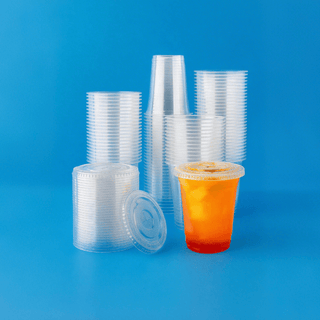
If iced coffee and cold brew are a core revenue line, using sturdy, clear PET cold cups with fitted flat/dome lids (like Jolly Chef's plastic cups with lids) can help reduce "sidewall squeeze" leaks and lid pop-offs during car rides.
Protect Your Reputation
Your cup is a traveling billboard. When it leaks on someone's clothes or car seat, your brand is literally staining their day. Social media makes this worse. One photo of a leaked cup with your logo visible can spread fast and shape perceptions beyond that single customer. Mobile cafes live and die by reputation. Every leak-resistant to-go cup that performs perfectly reinforces your professional image.
What Makes Double Wall Coffee Cups Essential for Temperature Control?
Temperature control isn't just about hot coffee staying hot. It's about customer comfort and perceived quality.
Keep Drinks Hot Longer
Double wall coffee cups trap air between two paper layers, creating insulation. This simple design improves heat retention compared with single-wall cups by adding an insulating air gap/layer. For a mobile cafe, this matters because your customers might not drink immediately. A drink that stays hot longer signals quality. Coffee that cools too quickly suggests cheap materials. Customers associate heat retention with premium service.
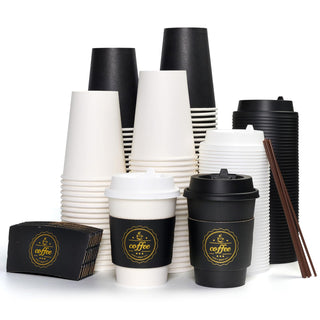
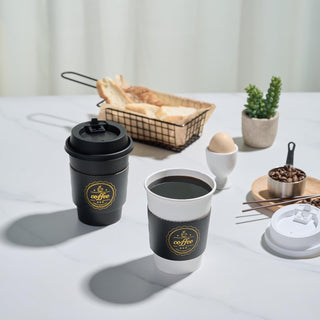
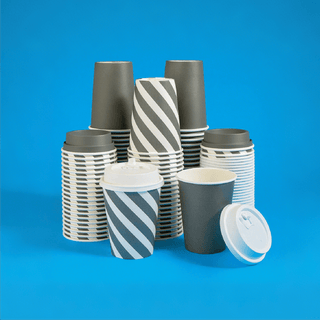
If you want sleeve-free handling, ripple-wall or insulated paper cups (like Jolly Chef's ripple-wall paper coffee cups) are a common "mobile-friendly" upgrade because they add grip and insulation without extra parts.
Go Sleeve-Free to Cut Cost and Speed Service
Cup sleeves add cost and complexity. You're buying two items instead of one, managing separate inventory, and watching customers struggle to get the sleeve on properly during busy periods. Each sleeve costs a few cents per unit in many supply scenarios, which sounds tiny until you multiply it by tens of thousands of cups per year. That becomes a meaningful annual spend. Double wall coffee cups eliminate this entirely while costing only slightly more than single-wall plus sleeve combined.
Improve Grip and Comfort
Customer comfort directly affects satisfaction scores. When someone can't hold their coffee comfortably, they remember that discomfort more than the taste. Premium insulated disposable cups stay cool to the touch even with very hot beverages inside. The comfort factor also reduces accidents. Customers who can grip their cups firmly are less likely to drop them or fumble during handoff.
Compare Total Cost
Single wall cups usually cost less per unit, but sleeves add cost and handling steps. Double wall coffee cups often look more expensive upfront, yet can be comparable in practice when you factor in sleeve purchasing, storage, and the speed of service at peak times. The operational benefits favor double wall: faster service, better heat retention, improved customer satisfaction, and fewer spills due to better grip.

Why Should You Invest in Premium Insulated Disposable Cups?
Premium doesn't mean expensive. It means choosing cups that actually protect your profits instead of just holding liquid.
Hold a Better Drinking Temperature
Premium insulated disposable cups maintain optimal drinking temperature for longer than basic options, which gives customers flexibility and helps preserve perceived quality. Temperature stability also matters for experience. A peer-reviewed review suggests a rational hot beverage service range of about 130 to 160 °F to balance consumer preference and safety. Better insulation helps beverages stay within a comfortable "drinkable" window longer.
Lower Total Cost
Higher upfront costs per cup actually save money overall. Premium to go coffee cups reduce spills, saving high costs over time. They eliminate sleeve costs, saving a steady per-serve add-on. They decrease remake requests, saving labor time that's especially costly during rushes. Many mobile cafe operators report that switching to premium cups increased their perceived value enough to justify small, menu-appropriate price adjustments.
Upgrade Perceived Quality and Photo-Ready Branding
Your packaging tells customers who you are before they taste anything. Flimsy cups suggest cheap service. Sturdy coffee cups with lids signal attention to detail and quality. Premium packaging also photographs better. In an Instagram-driven food culture, a professional-looking cup with your logo makes a better impression than a basic cup with an added sleeve creating visual clutter.
Check ROI
Calculate your actual ROI this way: if premium cups cost a few cents more per unit but reduce spills, prevent refund situations, and help retain more regulars, you're often looking at a strong multiple return on the packaging investment. High-performance disposable coffee cups also open new opportunities like catering contracts and corporate accounts.
FAQs About Coffee Cup Packaging for Mobile Cafes
Q1. Can I Mix Different Cup Types to Save Money While Starting Out?
Mixing cup types usually creates more problems than savings. Customers notice inconsistency and wonder why their experience varies. Different cups require different lids, complicating your inventory and slowing service when staff grab the wrong combination. Instead, choose one quality system that works reliably, then stick with it. The operational simplicity and consistent customer experience will grow your business faster than mixing cheap and premium options.
Q2. How Do I Know When My Current Cups Are Costing Me Money?
Track three numbers: daily remake rate, customer complaints about temperature or leaks, and repeat customer percentage. If you're remaking orders regularly due to packaging failures, you're losing money. If customers mention lukewarm drinks or leaks consistently, your cups aren't performing. Most importantly, if your repeat customer rate is lagging behind your expectations, packaging quality might be the issue.
Q3. What's the Real Difference in Customer Satisfaction Between Adequate and Premium Packaging?
Customer surveys show that packaging quality significantly impacts overall satisfaction. As noted above in the same PwC research, customer loyalty can be fragile after a single bad experience—especially in takeout and mobile contexts. For mobile cafes, especially, where you can't rely on ambiance, your packaging becomes your primary physical touchpoint with customers.
Start with a Simple Two-Lane Test to Find Your Perfect Cup System
If you want a straightforward way to validate packaging fast, try a simple two-lane test: one hot system (Jolly Chef paper cups + snap-tight fitted lids) and one cold system (Jolly Chef clear PET cups + matching flat/dome lids)—run them through your real route for a few rushes.
For space-limited trucks and carts, the advantage is operational: a tighter lid-cup fit cuts messy remakes, while standard-size cup/lid pairings simplify stocking so you can store fewer SKUs in less room. Then scale your bulk order once you're confident the seal, grip, and temperature hold up.