


Sugarcane vs Plastic Takeout Packaging: A 2026 ROI Guide for U.S. Food Businesses
Choosing the right takeout packaging affects your bottom line, your brand, and your compliance standing. As single-use plastic regulations tighten across the U.S. and customers grow more eco-conscious, food businesses face a real decision: stick with familiar plastic or switch to sugarcane-based alternatives. This article breaks down the true cost, performance differences, and return on investment of both options for American food operators.
How Sugarcane and Plastic Packaging Actually Differ
Before comparing costs, it helps to know what each material is and how it behaves under real food service conditions.
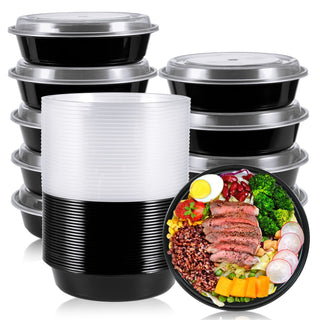
Plastic containers are made from petroleum-based resins, most commonly polypropylene (PP), polyethylene terephthalate (PET), or polystyrene (PS). They are lightweight, inexpensive to produce, and widely available across U.S. distributors. The tradeoff is significant: most plastic food containers take hundreds of years to break down and frequently end up in landfills.

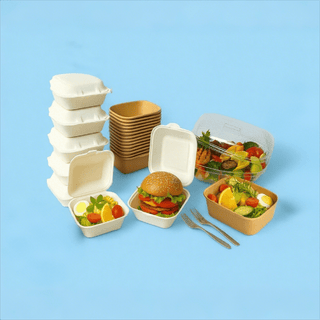
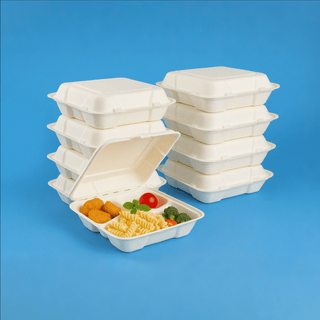
Bagasse takeout containers come from a completely different source. Bagasse is the fibrous pulp left over after sugarcane stalks are pressed for juice. That material is cleaned, molded under heat and pressure, and shaped into disposable food containers, compostable plates, bowls, and to-go boxes. The result is a container that handles both hot and cold foods, resists grease, and is microwave-safe.

Material Properties Side by Side
| Property | Bagasse Containers | Plastic Containers |
| Raw material | Sugarcane fiber (plant-based) | Petroleum-based (PP, PET, PS) |
| Biodegradability | 60–90 days in compost | Hundreds of years |
| Heat resistance | Microwave-safe, high heat tolerant | Varies by resin type |
| Moisture resistance | Moderate (engineered grades available) | Excellent |
| Chemical safety | BPA-free, PFAS-free options available | May leach under heat |
| FDA food contact compliance | Yes, when properly certified | Yes |
| Appearance | Natural, matte finish | Clear or opaque options |
A Real Cost Comparison for U.S. Food Businesses
Moving from material specs to dollars, the cost picture is more nuanced than a simple per-unit comparison suggests.
Per-Unit Pricing
On a pure shelf-price basis, plastic still holds the advantage. Bagasse containers carry a modest per-unit premium over standard plastic clamshells, a gap that has been narrowing steadily as production volumes scale and manufacturing efficiencies improve. For high-volume operators purchasing in bulk, the difference becomes far less decisive than it appears on a single-unit basis.
What the Unit Price Leaves Out
Per-unit price is only one layer of the real cost equation. For U.S. operators, several additional cost factors shift the comparison:
Regulatory Compliance Costs
California's SB 54 has accelerated packaging compliance pressure through an extended producer responsibility (EPR) framework and statewide reduction targets. Separately, many California cities and other U.S. jurisdictions restrict or ban EPS foam foodservice ware, which can affect availability and compliance risk.
Waste Disposal Fees
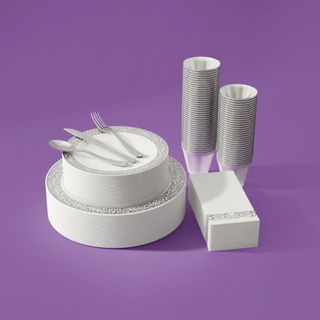
Plastic packaging incurs landfill tipping fees. In states with extended producer responsibility (EPR) programs, non-compostable disposable tableware carries additional cost burdens for producers and distributors.
Performance Losses
A container that leaks, collapses, or softens during delivery creates real downstream costs. Refunds, negative reviews, and lost repeat orders add up faster than a few cents per unit.

Performance Under Real Takeout Conditions
Disposable food containers face four consistent stresses in delivery: heat, steam, moisture, and stacking pressure. How each material handles these factors directly affects food quality and customer satisfaction.
Heat and Steam
Bagasse naturally insulates hot food and holds its structural shape under heat. It does not soften from thermal exposure alone, making it well-suited for hot entrées, rice dishes, and combo trays. Plastic performance varies by resin. PP handles high heat reasonably well, while PET is better suited for cold applications.
Steam is where bagasse has a practical edge. The material absorbs some condensation, which can reduce moisture buildup inside the container and help fried or crispy foods stay textured during short delivery windows. Fully sealed plastic containers tend to trap steam more aggressively.
Moisture and Liquid Resistance
Plastic wins here. It is inherently waterproof and performs consistently with soups, sauces, and high-moisture foods. Bagasse containers resist grease and moderate moisture well, but prolonged contact with liquid-heavy items can weaken the structure if the product is not specifically designed for wet use.
For most standard to-go boxes carrying rice, noodles, grilled proteins, or dry sides, bagasse performs reliably. For heavily sauced or broth-based dishes, a plastic or hybrid option may still be the more practical call.
Stacking and Structural Rigidity
Bagasse trays offer solid rigidity for stacking hot meals during prep and short transport. Thinner plastic formats can flex under weight depending on design and resin thickness. For catering or multi-item orders, the structural firmness of bagasse is often an operational advantage.

The ROI Case for Switching in the U.S. Market
Regulatory Risk Is Now a Real Financial Exposure
The cost of non-compliance has become higher than the cost of switching. California's SB 54 has increased compliance expectations across packaging supply chains. In parallel, EPS foam restrictions are already enforced in many local jurisdictions, and EPR policies are expanding in multiple states. New York, Washington, and Oregon all have active or pending packaging EPR frameworks. Businesses still relying on non-compliant plastic disposable tableware face civil penalties and potential distribution disruptions.
Switching to certified compostable alternatives, including bagasse containers and compostable plates, directly reduces that exposure.
Food Safety and FDA Compliance
This is a question many U.S. operators overlook. Bagasse containers, when properly produced, meet FDA food-contact safety standards. They are free from BPA and PFAS, both of which have drawn increasing regulatory scrutiny across U.S. states. For operators serving health-conscious consumers or operating in states with strict chemical disclosure laws, this is a meaningful differentiator.
Brand Perception and Customer Loyalty
Packaging travels with your brand. Customers who receive their order in a natural-fiber container perceive the business differently than one using foam or thin plastic. This translates into stronger repeat order rates and better alignment with the values of younger U.S. consumer segments, who increasingly factor sustainability into their dining choices.
Environmental Outcomes in a U.S. Context
Bagasse breaks down in 60–90 days under commercial composting conditions. Plastic foodservice packaging, even when labeled recyclable, is frequently rejected at U.S. sorting facilities due to food contamination. According to the U.S. EPA, the recycling rate for PET bottles stands at just 29.1%. Food containers typically perform worse.
One important caveat: the environmental benefit of compostable plates and bagasse-based disposable tableware depends on local composting infrastructure. Not all U.S. municipalities accept food packaging in their composting programs. Operators should verify what disposal systems exist in their specific market before making sustainability claims to customers.
Where Each Material Wins
| Factor | Bagasse Wins | Plastic Wins |
| Unit cost | ✓ | |
| Heat and steam management | ✓ | |
| Moisture/liquid resistance | ✓ | |
| U.S. regulatory compliance | ✓ | |
| FDA food contact safety | Both (when certified) | Both |
| Biodegradability | ✓ | |
| Brand perception | ✓ | |
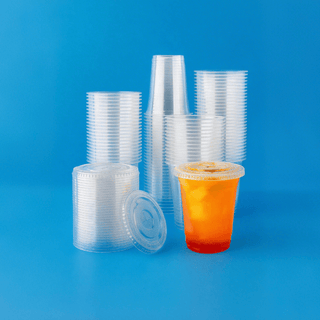
| Cold food display/clarity | ✓ | |
| Long-term ROI (regulated U.S. markets) | ✓ |
Start Switching Today
For most U.S. food businesses operating in regulated markets, switching to sugarcane-based packaging is a financially sound move. The per-unit premium is real but shrinking, and the compliance savings, brand value, and hot-food performance make bagasse containers a strong long-term investment. Start with your highest-volume to-go boxes, verify FDA food-contact certification with your supplier, and expand from there.
FAQs about Bagasse Food Containers
Q1: Is Bagasse Cheaper Than Plastic?
Not on a per-unit basis. Bagasse containers carry a modest price premium over standard plastic clamshells. However, when U.S. compliance costs, waste disposal fees, and performance-related losses are factored in, the total cost difference shrinks considerably, especially for operators buying in bulk. For businesses in regulated markets, the long-term ROI of switching to bagasse is strong.
Q2: What Are the Disadvantages of Bagasse?
A few limitations are worth knowing before switching. Bagasse is less resistant to prolonged liquid exposure than plastic, making it a weaker choice for broth-based dishes or high-moisture items unless the product is specifically engineered for wet use. It also lacks the clear visibility of PET plastic, which matters for cold food display. Finally, the environmental benefit of bagasse depends on local composting infrastructure. Not all U.S. municipalities accept food packaging in their composting programs, so operators should verify disposal options in their market before making sustainability claims to customers.
Q3: Is Switching to Bagasse Containers a Smart Business Move for Food Service Operators?
For most operators, yes, particularly when three factors are considered together.
Compliance savings. Single-use plastic bans are expanding across U.S. states and cities. Operators who switch early avoid future fines and forced transition costs.
Brand value. Consumers increasingly notice sustainable packaging. Bagasse containers generate stronger brand perception in both dine-in and delivery, with measurable impact on customer satisfaction.
Bulk pricing. The per-unit premium shrinks significantly at volume. For high-output operations, the real cost gap is often smaller than expected.
In a market where regulations are tightening and consumer preferences are shifting, switching to bagasse is less a green gesture and more a sound business decision.
Q4: Are Bagasse Containers Safe for Direct Food Contact Under FDA Standards?
Yes. Well-produced bagasse packaging meets FDA food-contact requirements and is free from BPA and PFAS. Operators should confirm that their supplier provides relevant food-contact safety documentation before purchasing.
Q5: Can Bagasse Containers Handle Hot and Greasy Foods?
Yes. Bagasse containers are microwave-safe and grease-resistant, making them a strong choice for hot entrées, fried foods, and oily dishes in most standard U.S. takeout and delivery scenarios.