

The Truth on BPA-Free
You see the term bpa-free on many products. This label means the item is made without the chemical bisphenol-a. However, BPA-free labels do not automatically guarantee safety for your health. Manufacturers often replace BPA with other chemicals that may pose similar risks. True peace of mind for your health comes from understanding materials. You can make better choices, like using compostable plates, instead of just trusting a BPA-free sticker.
Key Takeaways
-
BPA-free labels do not guarantee safety. Manufacturers often use other chemicals that may have similar health risks.
-
BPA and its substitutes, like BPS and BPF, can act like hormones in your body. This can cause health problems.
-
You can choose safer options. Use glass, stainless steel, or compostable products instead of plastic.
-
When you use plastic, pick types 1, 2, 4, or 5. Avoid plastics with codes 3, 6, and 7.
-
Eat fresh, unpackaged foods more often. This greatly lowers your exposure to chemicals from food packaging.
The Health Risks of BPA
What Is BPA?
You encounter the chemical compound bisphenol a, or BPA, more often than you might think. It is a key ingredient used to make strong, clear polycarbonate plastics and durable epoxy resins. Manufacturers use these materials in countless products. You find BPA in food containers, the linings of metal cans, and even on thermal paper receipts. This widespread use leads to constant exposure. Your primary exposure to BPA comes from your diet through food packaging. However, you can also absorb it through your skin from items like receipts. This frequent exposure means the chemical is nearly everywhere. In fact, studies by the Centers for Disease Control and Prevention (CDC) found detectable levels of BPA in the urine of over 93% of people tested. This high rate of exposure makes understanding its potential health effects crucial. The constant exposure to BPA is a concern for your long-term health.
Documented Health Concerns
Scientists classify BPA as an endocrine-disrupting chemical. This means BPA can imitate your body's hormones, which can lead to negative health effects. This interference can disrupt many of your body's essential functions. Extensive research links BPA exposure to several serious health problems. The potential health effects from this exposure are significant. Studies have connected BPA exposure to:
-
Reproductive Issues: Researchers have observed that BPA exposure may be associated with recurrent miscarriages, polycystic ovarian syndrome (PCOS), and reduced fertility in men.
-
Metabolic Diseases: Low-dose BPA exposure is linked to insulin resistance, a major risk factor for type 2 diabetes. Some studies also suggest BPA exposure promotes fat cell formation, contributing to obesity.
-
Developmental Problems: BPA exposure can affect development, with some studies linking it to issues in children and even birth defects.
This growing body of evidence highlights why your daily exposure to BPA matters. Understanding the sources of BPA exposure is the first step toward reducing your risk.
Beyond BPA: The Issue with Substitutes
What Does BPA-Free Mean?
The Rise of BPS and BPF
Are Replacement Chemicals Safer?
Heads Up! ⚠️ Many
bpasubstitutes are not a safer choice. This is a classic case of "regrettable substitution," where one harmful chemical is swapped for another with similar risks.
Scientific studies show that BPS and BPF are as hormonally active as BPA. Some research even suggests that BPS has a greater endocrine-disrupting effect than BPA itself. This means your BPA exposure might be replaced by an equally concerning exposure. The potential health effects remain. This ongoing exposure can happen through BPA leaching or, in this case, BPS/BPF leaching. Recognizing this problem, some governments are taking action:
- California added BPS to its Proposition 65 list of chemicals known to cause harm.
- The European Chemicals Agency is investigating BPS as a substance of very high concern.
This shows that your BPA exposure concerns were valid, and the issue has not disappeared with the introduction of BPA alternatives. Your exposure to these chemicals continues.
How to Choose Safer BPA-Free Products
Navigating the world of food containers can feel complicated. The "BPA-free" label is a starting point, but you can take more effective steps to protect your health. You can gain true peace of mind by understanding materials and making conscious choices. This guide will help you select safer options for you and your family.
Opt for Non-Plastic Alternatives
The simplest way to avoid risks from plastic chemicals is to choose different materials. You have many excellent, time-tested alternatives available. Inert materials do not react with your food, so they do not leach chemicals.
Your best options for bpa-free food storage containers include:
-
Glass: Glass is a top choice for food safety. It is made from natural ingredients like sand and contains no synthetic chemicals. The FDA recognizes glass as a safe material for food. Its non-porous surface does not absorb food odors or bacteria. You can safely heat glass without worrying about it releasing harmful substances like BPA.
-
Stainless Steel: This is another durable and non-toxic option. It is perfect for bpa-free water bottles and lunch containers. Look for high-quality, food-grade stainless steel, especially in bpa-free insulated water bottles that keep drinks hot or cold.
-
Ceramic: Ceramic dishes and cookware are generally safe, as long as they are coated with a lead-free glaze.
-
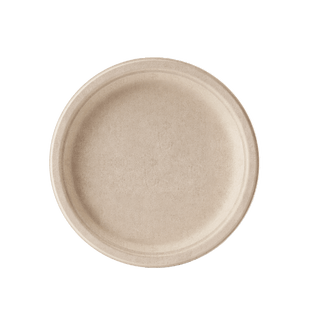
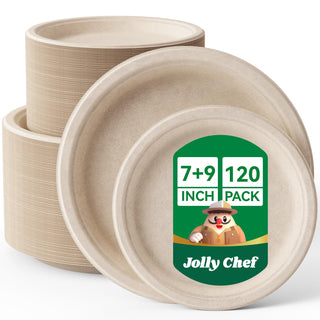
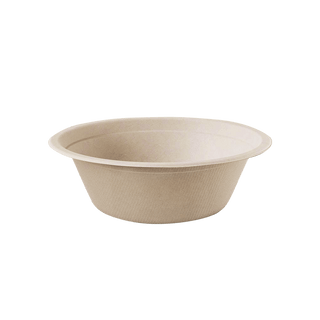
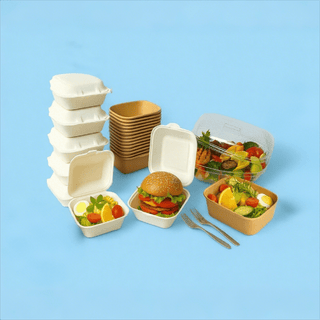
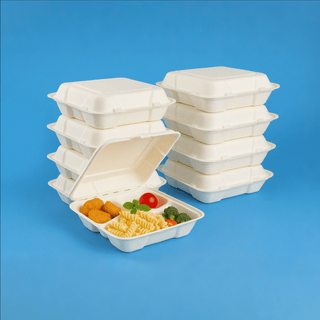
Compostable Plant-Based Products: For parties and events, you can choose eco-friendly alternatives. Jolly Chef's Natural Brown Compostable Plates are an excellent example. These heavy-duty plates are made from 100% sugarcane pulp. They are microwave-safe and strong enough for any meal. Choosing these alternatives helps you avoid plastic and reduces environmental waste.
Eco-Friendly Fact Check ♻️ Sugarcane plates offer huge benefits over plastic. They are fully biodegradable and compostable, returning nutrients to the soil. Plastic, on the other hand, pollutes our environment for hundreds of years.
Here is a quick comparison of these two alternatives:
|
Feature |
Compostable Sugarcane Plates |
Plastic Plates |
|---|---|---|
|
Material Source |
Renewable sugarcane residue |
Non-renewable petroleum |
|
Biodegradability |
Decomposes in 60–90 days |
Takes hundreds of years |
|
Environmental Impact |
Low impact; reduces waste |
High impact; creates microplastics |
|
Carbon Footprint |
Carbon-neutral |
High carbon footprint |
Use Quality Plastics Correctly
Sometimes, you may need to use plastic. In these cases, it is important to know that not all plastics are equal. You can use certain high-quality, food-safe plastics safely if you follow the right guidelines.
First, you should learn to identify different plastics. You can find a recycling code (a number inside a triangle) on the bottom of most plastic products. This code tells you what kind of plastic it is.
|
Code |
Plastic Type |
Common Uses |
Food Safety Notes |
|---|---|---|---|
|
1 (PET) |
Polyethylene Terephthalate |
Water bottles, soda bottles, cups |
Generally safe for single use with cold items. Avoid heat. |
|
2 (HDPE) |
High-Density Polyethylene |
Milk jugs, yogurt tubs |
Considered a safe plastic with low leaching risk. |
|
4 (LDPE) |
Low-Density Polyethylene |
Squeeze bottles, food wraps |
Also considered a safe plastic for food. |
|
5 (PP) |
Polypropylene |
Some yogurt tubs, takeout containers |
High heat tolerance; often used for microwave-safe containers. |
Important Safety Tip! ⚠️ You should always avoid plastics with codes 3 (PVC), 6 (PS), and 7 (Other/PC). These types are more likely to leach harmful chemicals like phthalates, styrene, or BPA.
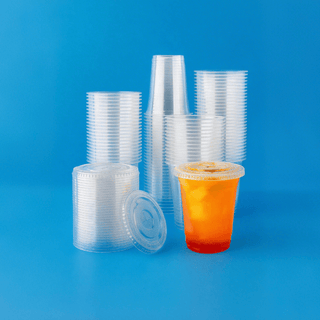
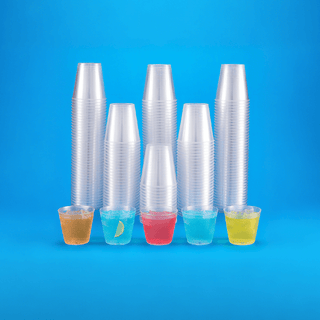
When you do use plastic, choose bpa-free products from trusted brands. For example, Jolly Chef's Clear Heavy Duty PET Plastic Cups are made from high-quality, food-safe PET plastic. These cups are specifically designed for cold beverages. You should never use them for hot liquids. Research shows that heat can cause chemicals to leach from food packaging into your food. PET plastic, for instance, is not designed to handle temperatures above 140°F (60°C). Using these products as intended is key to ensuring they remain a safe choice.
Focus on Fresh, Unpackaged Foods
One of the most powerful changes you can make is to reduce your reliance on packaged food. Choosing fresh, whole foods is better for your health and dramatically lowers your exposure to chemicals like BPA.
Studies show that when people eat a diet of fresh food, the levels of BPA in their bodies can drop by over 60%. This happens because you avoid the primary source of exposure: food containers and can linings. Ultra-processed foods are often nutritionally poor and come in extensive packaging. Fresh fruits, vegetables, and meats do not have this problem.
Here are some simple tips for storing fresh food without plastic:
-
Use Cloth Bags: Store vegetables like broccoli, kale, and carrots in reusable cloth produce bags in your refrigerator's crisper drawer.
-
Store Herbs in Water: Keep basil or cilantro fresh by placing the stems in a jar of water on your counter.
-
Use Glass Containers: Store cut fruits and vegetables in glass bpa-free food storage containers. This keeps them fresh and visible.
-
Separate Fruits and Veggies: Keep ethylene-producing fruits (like apples and bananas) away from ethylene-sensitive vegetables (like lettuce and broccoli) to prevent premature spoiling.
By prioritizing non-plastic alternatives, using quality plastics correctly, and focusing on fresh food, you move beyond the simple "bpa-free" label. You take active control over your health and reduce your exposure to BPA and its regrettable substitutes.
The 'BPA-free' label is a starting point, not a final guarantee. True peace of mind for your health comes from understanding the materials you use. Plastic chemicals can migrate into your food, leading to issues like inflammation.
Your Action Plan for Better Health ✅ You can reduce this risk with a few key actions:
Choose inert materials like glass and compostables.
Handle any plastic carefully, especially avoiding heat.
Focus on fresh, unpackaged food.
You now have the knowledge to make confident choices for your family's well-being.
FAQ
Is it safe to microwave BPA-free plastic?
You should avoid microwaving most plastics, even if they are BPA-free. Heat can cause other chemicals to leach into your food. Always check for a "microwave-safe" label. When in doubt, you should transfer food to a glass or ceramic container before heating.
How can I reduce my family's BPA exposure?
You can lower your family's exposure by choosing fresh foods over canned or packaged ones. Use glass or stainless steel containers for food storage and drinks. Avoid plastics with recycling codes 3, 6, and 7 to minimize your risk.
Are all plastics with recycling code 7 bad?
Not always, but you should be cautious. Code 7 is a catch-all category. While it includes plastics containing BPA (like polycarbonate), it also includes newer, safer plastics like Tritan. Without more information, it is best to avoid it to reduce chemical exposure.
Why is BPA exposure a concern for children?
Children's bodies are still developing, which makes them more vulnerable to the effects of hormone-disrupting chemicals. Their smaller size means that even a small amount of a chemical can have a bigger impact, making it important to limit their exposure.