

How to Stock Bulk Paper Plates & Napkins Without Waste: Subscription Refill Plan
Running out of paper plates during a busy lunch rush is stressful. Ordering too many and watching them pile up in storage is wasteful. Subscription refill plans solve both problems by delivering bulk paper plates, bulk napkins, disposable cups, and to go boxes on a schedule that matches your actual usage.
What Products Should Your Bulk Paper Plates and Disposable Cups Subscription Include?
Getting your product mix right makes the difference between a subscription that works and one that creates new problems. You need to think about what your business actually uses every day, not just what seems like a good deal.
Core Paper Plates Bulk and Napkin Combinations
Start with your foundation items. Most operations need at least two sizes of paper plates: standard 9-inch plates for main courses and 6-inch plates for appetizers or desserts.
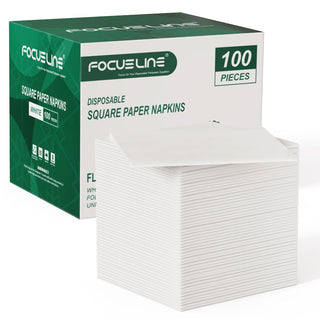
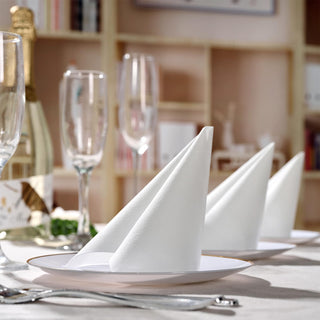
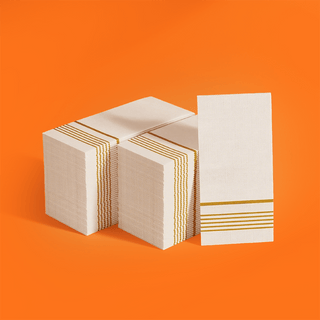
For napkins, the standard cocktail napkin size (5x5 inches) covers most needs, but you might want larger dinner napkins (6.5x6.5 inches) if you serve messy foods. A typical restaurant uses about a variable number of paper napkins per meal, depending on service style, so calculate your monthly customer count and add a modest buffer as a cushion.
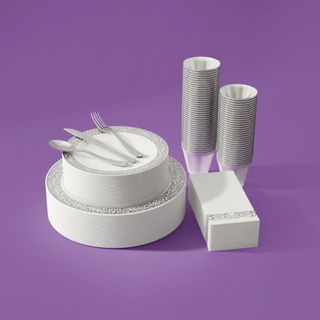
For example, many operators "lock in" these two core plate sizes as fixed SKUs, then set a recurring reorder using Jolly Chef bulk paper plates so the refill schedule stays aligned with real cover counts and storage limits.
Disposable Cups Specifications
Your cup selection depends entirely on what you serve.
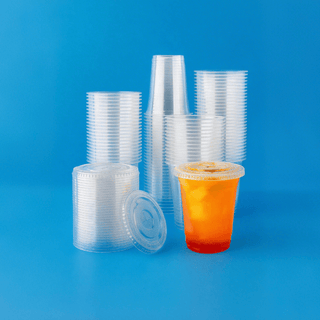
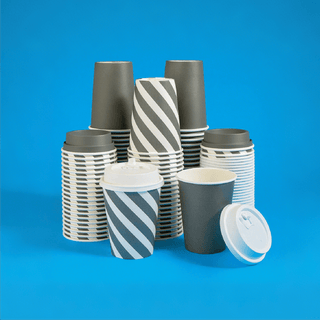
Cold beverages need different cups than hot drinks. Clear disposable cups are commonly available in 12, 16, and 20-ounce sizes. For coffee and tea, go with insulated paper cups in 8, 12, and 16-ounce options.
Most subscriptions let you split quantities, like a larger share of cold cups and a smaller share of hot cups, which you can adjust seasonally.
For example, you can standardize your cold drink setup with Jolly Chef disposable cup sets (matching cup/lid options), then adjust only the case quantities seasonally instead of constantly switching products.
To Go Boxes and To Go Containers Types
This category gets complicated fast because food packaging needs vary wildly.
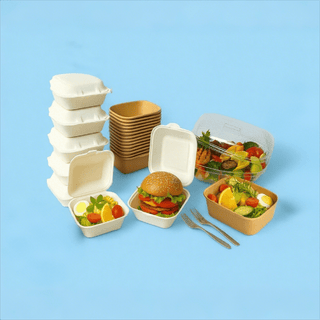
- Hinged-lid containers work for sandwiches and burgers.
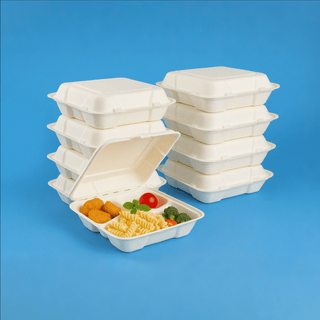
- Multi-compartment containers suit plated meals.
- Soup containers need to be leak-proof.
- Round deli containers handle sides and salads.
Start by tracking what you use most over a couple of weeks, then build your subscription around those top three container types.
Food Packaging Supplementary Items
Don't forget the small stuff that runs out at the worst times. Bulk plastic utensils, straws, sauce cups, and aluminum foil trays all fall under food packaging. These items often get overlooked until you're completely out. Adding them to your subscription in smaller quantities ensures you never run short.
How Much Bulk Napkins and Disposable Tableware Wholesale Should You Order?
Math isn't fun, but running out of supplies is worse. Getting your quantities right from the start saves money and prevents waste.
Monthly Usage Assessment Method
Option A (Best): 3-Month Average
- Pull purchase records from the past three months
- Add totals, then ÷ 3 = average monthly usage
Option B (No Records): 1-Week Count
- Count one week's use
- × ~4 weeks (plus a few extra days) = monthly estimate
Track separately: paper plates bulk, bulk napkins, disposable cups, to go containers.
For newer businesses without a history, use industry standards. A casual restaurant uses approximately amounts that vary widely based on order volume, drink mix, and takeout share. Adjust based on your service style.
The Restock Formula
(Average Daily Use × Days in Cycle) + Safety Buffer (3–5 days) = Your Ideal Subscription Volume
Quick Checklist
- paper plates bulk: ____ /week → ____ /month
- bulk napkins: ____ /week → ____ /month
- disposable cups: ____ /week → ____ /month
- to go containers: ____ /week → ____ /month
Seasonal Demand Fluctuations
Your subscription needs to flex with your business rhythm. Summer might bring a noticeable increase in customers for some businesses, while others see winter peaks. Look at your sales patterns from last year. If June through August show consistently higher revenue, increase your disposable tableware wholesale subscription by a meaningful margin for those months.
Most subscription services let you set different quantities for different months. Set this up in advance rather than trying to remember each month.
Safety Stock Levels
Never run your inventory down to zero before the next delivery arrives. Keep a short reserve (for example, several days of usage) of bulk paper plates, bulk napkins, and other essentials as backup. If you use about one case per week, maintain about one case in reserve. This buffer protects you from delivery delays, unexpected rush periods, or calculation errors.
Storage space limits how much safety stock you can keep. If space is tight, prioritize your highest-use items for backup inventory and keep the less popular to go containers at lower levels.

Which Services Offer the Best Disposable Tableware Wholesale and To Go Containers?
Choosing the right supplier affects everything from product quality to how much flexibility you get when business changes.
Supplier Evaluation Standards
- Look beyond price when comparing disposable tableware wholesale providers. Delivery reliability matters more than saving five dollars per case if missed deliveries disrupt your operation.
- Check minimum order requirements; some services force you to order more than you need.
- Read cancellation policies carefully. The best subscriptions let you pause or cancel without penalties.
- Product quality varies significantly between suppliers. Request samples before committing to a subscription. Flimsy paper plates bulk that collapse under food waste, your money is wasted regardless of how cheap they are. The same goes for to go boxes that leak or disposable cups that crack.
Delivery Schedule and Flexibility Comparison
Weekly, biweekly, and monthly deliveries each have advantages. Weekly deliveries mean less storage space needed but more time spent receiving shipments. Monthly deliveries require more storage but fewer interruptions. Many medium-sized operations find biweekly delivery hits the sweet spot. If your truck/cart space is limited, a subscription-style setup like Jolly Chef's Scheduled Delivery / JC Hub (Managed Inventory) can help: they can store inventory and send recurring refills on a weekly or monthly cadence, so you don't have to stack cartons in your workspace.
The ability to modify upcoming orders matters enormously. Life happens: unexpected catering orders, slower weeks, or menu changes that shift your food packaging needs. Services that let you adjust quantities up to a couple of days before delivery give you real control.
Customization Options in Your Subscription
Generic subscriptions rarely fit perfectly. The best services let you build custom bundles that match your specific mix of bulk napkins, paper plates bulk, disposable cups, and to go containers. Look for providers that offer different product tiers within categories. Maybe you want premium disposable cups for dine-in service, but basic options for to go orders.

How Can You Set Up and Optimize Your Food Packaging Subscription?
Getting started with a subscription takes some upfront work, but the time investment pays off in reduced daily hassle. Follow these steps to set up and maintain an efficient system.
Step 1: Create Your Account and Calculate Needs
- Start by signing up with your chosen disposable tableware wholesale supplier.
- You'll need your business license, tax ID, and payment information ready.
- Complete the questionnaire about your business type and volume honestly.
- Calculate a conservative portion of your estimated monthly needs for bulk paper plates, bulk napkins, disposable cups, and to go boxes.
This conservative start prevents excess inventory while you fine-tune your requirements.
Step 2: Schedule Your First Delivery
Place your initial order at least several days before you're critically low on supplies. This buffer gives you time to evaluate product quality and make adjustments. Choose a delivery frequency that matches your storage capacity: weekly for limited space, biweekly for most businesses, or monthly if you have ample room.
Step 3: Set Up Regular Review Reminders
Create calendar alerts a few days before each scheduled delivery. Log in to your subscription platform regularly to check inventory levels. If bulk paper plates are running low, increase the next shipment. If to go containers are piling up, reduce quantities. Most services let you modify orders up to a couple of days before delivery.
Step 4: Use Pause Features When Needed
Plan ahead for closures during renovations, holidays, or vacation periods. Access your account to skip individual deliveries or pause your subscription entirely. Remember to restart the service before reopening. This flexibility prevents waste during slow periods or unexpected equipment failures.
Step 5: Optimize After Three Months
Review your adjustment history every few months. Make frequently changed quantities permanent in your base subscription. Remove products you rarely use or drastically reduce their amounts. Your food packaging needs evolve with menu changes and seasonal shifts, so treat your subscription as a living system that adapts to your business reality.
FAQs About Disposable Tableware Subscription Services
Q1. How Do Subscription Services Handle Price Increases for Bulk Paper Plates and Disposable Cups?
Most reputable disposable tableware wholesale subscription services lock in your pricing for a defined period. When prices do increase due to material costs or supply chain changes, you should receive advance notice. This gives you time to shop around or negotiate if needed. Some services offer annual contracts with fixed pricing, which protects you from volatility but reduces flexibility. Read the fine print about price adjustment clauses before signing up. The stability of knowing your costs for bulk napkins and to go boxes helps with budgeting.
Q2. Can I Donate Excess Inventory if My Subscription Delivers Too Much?
Yes, donating surplus paper plates bulk, disposable cups, and food packaging is both possible and beneficial. Food banks, community centers, and homeless shelters often welcome donations of unused disposable tableware. Keep the original packaging intact for donations. Document donations for potential tax deductions by getting a receipt from the receiving organization. However, regular excess inventory signals your subscription quantities need adjustment. Use donations as a temporary solution while you dial in the right delivery amounts rather than as an ongoing waste management strategy.
Q3. What Environmental Options Exist for Sustainable to Go Containers Subscriptions?
Many disposable tableware wholesale suppliers now offer eco-friendly alternatives made from bamboo, sugarcane bagasse, or compostable plastics. These sustainable to go boxes and food packaging options typically cost more than traditional plastic. Some local ordinances define an "affordable" compostable alternative as costing no more than 15 percent more than the conventional option, but real-world pricing varies by supplier and region. Some subscription services give discounts when you commit to their green product lines. Check if your local waste management accepts compostable items; they end up in landfills anyway. Bulk paper plates and paper-based packaging generally have better environmental profiles than plastic alternatives.
Start Your Subscription Today and Simplify Your Supply Management
Set up a subscription for your bulk paper plates, bulk napkins, disposable cups, and to go boxes today. Calculate your actual usage, choose a flexible supplier, and start with conservative quantities. You'll cut waste, save time, and maintain steady inventory.
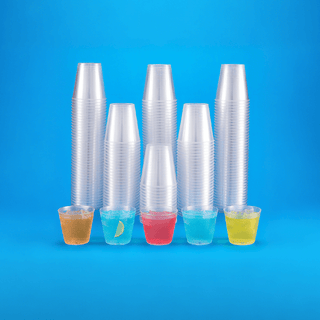
If you want a quick way to build your "core SKUs + small essentials" bundle before setting a refill cadence, start by selecting your repeat-buy items on Jolly Chef (plates, cups, and portion cups), then plug those SKUs into your subscription quantities and adjust from real weekly usage.