


Wow Your Customers with These Food Truck Packaging Best Practices
Want your food truck to stand out? Your packaging is a powerful tool to achieve this goal. With the food truck market growing rapidly, excellent packaging is no longer just an option—it's a necessity.
Metric |
Value |
|---|---|
Projected Market Value (2030) |
USD 2.04 billion |
Annual Growth Rate (CAGR) |
6.4% |
This guide on Food Truck Packaging: Best Practices for Serving On-the-Go Meals will help you navigate this crucial aspect of your business. Remember, 72% of consumers say packaging design influences their purchasing decisions. The right packaging, like sturdy take out food containers with lids, not only protects your food's quality but also builds your brand identity with every order.
Key Takeaways
Choose the right container for each food item to keep it safe and tasty.
Make sure your packaging is easy for customers to carry and eat from.
Use packaging that keeps food hot or cold to maintain its quality.
Brand your packaging with your logo and colors to promote your business.
Pick eco-friendly packaging to help the planet and attract more customers.
Food Truck Packaging: Best Practices for Serving On-the-Go Meals
Functionality is your top priority when selecting food truck packaging. Your containers must protect the food, make it easy for customers to eat on the go, and maintain the meal's quality from your truck to its final destination. Following these food truck packaging: best practices for serving on-the-go meals will ensure every customer leaves happy. The right packaging choices directly impact your efficiency and the customer's overall impression of your brand.
Match the Container to Your Menu
The first rule of great food packaging is to choose a container that fits your food perfectly. A one-size-fits-all approach rarely works. You need packaging that complements your specific menu items. Today's popular food truck offerings demand versatile solutions.
Gourmet Burgers and BBQ: These require sturdy boxes that prevent crushing and absorb some grease.
Artisanal Pizzas: Slices or small pies need rigid trays or custom-fit boxes.
Ethnic Street Foods: Items like tacos or banh mi fit well in specialized holders or paper-lined trays.
Healthy Bowls and Salads: You need deep, secure bowls with tight-fitting lids to prevent spills during transport.
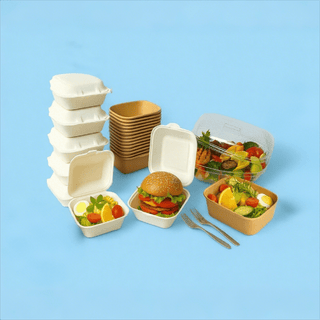
For saucy or greasy items like loaded nachos, sliders, or fries, you need a reliable solution. Jolly Chef's Leak-Resistant Disposable Paper Food Trays are an excellent example. They are made from durable paperboard and have a special food-safe PE coating. This design makes them sturdy and resistant to grease and leaks, ensuring your food stays contained. This type of thoughtful packaging for takeout and delivery protects the meal and prevents messes.
Ensure Portability and Ease of Use
Your customers are often eating while standing, walking, or sitting in a park. Your food packaging must make this experience simple and enjoyable. Clumsy or complicated packaging can ruin an otherwise delicious meal.
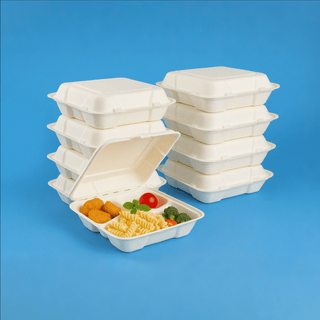
Focus on containers that are easy to hold and eat from. Features like built-in compartments for sauces or sides, secure lids, and lightweight designs significantly improve the customer's delivery experience. Well-designed takeout packaging allows your team to pack orders quickly, which is essential for keeping lines moving during busy hours. An easy-to-carry container enhances the convenience of takeout and delivery. Consider these features for your takeout packaging:
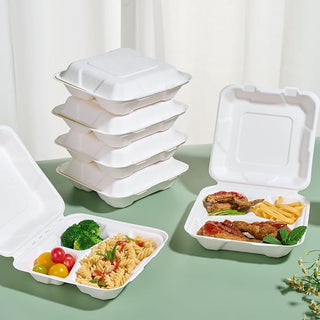
Secure Lids: Snap closures or tight-fitting lids prevent spills, which is crucial for takeout and delivery.
Compartments: Separate different food items to keep them organized and fresh.
Lightweight Design: A compact and light container is easy for customers to carry.
Pro Tip: Choose packaging that is intuitive. If a customer has to struggle to open a container or figure out how to hold it, the design has failed. Simplicity is key for a great on-the-go food experience.
Maintain Food Temperature and Quality
Nothing disappoints a customer more than a hot meal gone cold or a crispy dish turned soggy. Your packaging plays a critical role in temperature control. The right container helps preserve food quality from the moment it leaves your truck. This is a vital part of food truck packaging: best practices for serving on-the-go meals.
For fried foods like chicken wings or french fries, use vented containers. These have small holes that allow steam to escape, preventing moisture buildup and keeping the food crispy. For hot soups or cold salads, insulated packaging is essential. Insulation helps maintain safe food temperatures—hot foods above 140°F and cold foods below 40°F—which prevents bacterial growth and preserves taste and texture.
Different materials offer different benefits for your food delivery packaging:
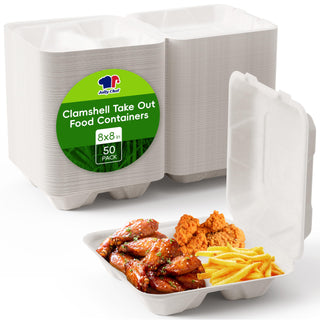
Bagasse (Sugarcane Fiber): This eco-friendly material offers good insulation and is microwave-safe for short reheating. It stays cool to the touch, making it great for hot food.
Aluminum Foil: This material has excellent thermal conductivity, keeping food warm for longer periods. It is ideal for oven-to-table items but not always microwave-safe.
Choosing the right food delivery packaging ensures that every takeout order represents the best of your brand. Ultimately, these food truck packaging: best practices for serving on-the-go meals help you deliver an exceptional product every time, encouraging repeat business and positive reviews.
Branding Your Packaging as a Marketing Tool
Think of your packaging as a mobile billboard. Every time a customer carries your food away, your brand travels with them. This makes your packaging a powerful and cost-effective marketing tool. Smart branding on your containers helps you stand out in a crowded park or a busy street, turning every sale into a promotional opportunity.
Display Your Logo and Brand Colors
Your logo is your brand's signature, so make sure it is front and center on your packaging. Color also plays a huge role in how customers perceive your food. The right colors can influence appetite and emotion.
Red and Orange: These warm colors can stimulate appetite and create a sense of excitement. They are great choices for brands that want to convey energy.
Green: This color suggests freshness, health, and nature. It is perfect if you serve organic or plant-based food.
Blue: While it conveys trust and cleanliness, blue can sometimes suppress appetite, so use it carefully in your food packaging design.
Choosing colors that match your brand's personality helps create a memorable experience.
Use Stickers for a Budget-Friendly Start
You do not need a huge budget to start branding. Custom-printed stickers or a simple rubber stamp are excellent, low-cost ways to add your logo to generic packaging. Stickers are versatile and can be applied to boxes, cups, and bags. Buying in bulk significantly lowers the cost per sticker.
Average Cost of Custom Stickers
Quantity
Average Price Per Sticker
100
$0.30–$0.50
1,000
$0.08–$0.15
5,000
$0.05–$0.08
This approach allows you to maintain a professional look without the high upfront cost of fully custom-printed inventory.
Communicate Your Brand Story
Your packaging can do more than just hold food; it can tell your story. Use it to connect with your customers on a deeper level. A simple sticker or stamp can include more than just your logo.
Consider adding your social media handles to encourage customers to follow you online. You can also use a QR code that links directly to your website, menu, or a special promotion. This simple addition turns your takeout boxes and bags into interactive marketing tools, making your packaging work harder for your business.
Embrace Sustainable and Eco-Friendly Options
Choosing sustainable packaging is a smart business move. Today's customers care about the environment, and your choices can influence their loyalty. In fact, studies show that 53% of US consumers are willing to pay more for products with sustainable packaging. This shift in consumer values gives your food truck a great opportunity to connect with your audience. Making eco-friendly choices for your food packaging shows that you care about more than just profit.
Choose Recyclable and Compostable Materials
You can start by selecting materials that are kind to the planet. Look for options made from renewable resources.
Bagasse (Sugarcane Fiber): This material is a byproduct of sugarcane processing. It is sturdy, great for hot or cold food, and compostable. Using bagasse containers reduces greenhouse gas production by 47% compared to Styrofoam. Jolly Chef's BPI-certified sugarcane containers are an excellent example of efficient takeout boxes that are also eco-friendly.
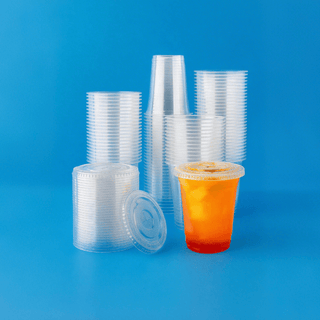
PLA (Corn-Based Plastic): This is a compostable plastic alternative perfect for cold items like drinks or salads.
Recyclable Paper: Paper trays and bags are classic choices. Ensure they are from certified sustainable sources.
Pro Tip: Look for certifications like BPI (Biodegradable Products Institute) on your packaging. This label proves the material meets standards for compostability and helps you make trusted choices for your food.
Avoid Problematic and Non-Recyclable Materials
Some materials cause significant harm to the environment. You should avoid these whenever possible. Polystyrene, often called Styrofoam, is difficult to recycle and can release harmful chemicals. Another material to avoid is black plastic. The optical sorters at most recycling facilities cannot detect its black pigment, so it often ends up in a landfill even when placed in a recycling bin. Choosing better packaging alternatives helps reduce plastic waste, which is a major source of pollution.
Implement Waste-Reduction Strategies
Your efforts can go beyond just the packaging you buy. Help your customers dispose of their waste correctly. Set up clearly labeled bins for compost, recycling, and landfill waste near your truck. Simple signs can guide people to put the right items in the right place. This small step makes a big difference and reinforces your brand's commitment to sustainability. The demand for eco-friendly practices is clear and offers a path to better customer engagement.
Balance Cost-Effectiveness with Quality
Finding the right packaging for your food truck means balancing your budget with the need for high-quality containers. You want to impress customers without overspending. Smart purchasing strategies help you manage costs effectively while ensuring your food is presented well for takeout and delivery. This balance is key to long-term success.
Buy in Bulk to Reduce Per-Unit Costs
One of the easiest ways to lower your packaging expenses is to buy in bulk. Suppliers offer significant discounts for larger orders because it reduces their handling and shipping costs. Passing these savings on to you lowers your cost per meal. Planning ahead and ordering more at once can make a big impact on your bottom line.
Here is a look at typical savings you can expect:
Quantity Range |
Discount Rate |
|---|---|
1,000-5,000 units |
5-10% |
5,000-25,000 units |
10-20% |
Source from Reliable Suppliers like Jolly Chef
Your supplier is your partner in business. A great supplier provides more than just boxes; they offer reliability and peace of mind. A reliable domestic supplier like Jolly Chef ensures you get your food delivery packaging quickly, preventing stockouts during busy weekends. When choosing a supplier for your food delivery packaging, you should look for a partner who offers:
Food Safety Certification: This guarantees the materials are safe for direct contact with your food.
Durable Materials: Your containers must be strong enough to protect food during transport and prevent leaks or spills.
Reliable Lead Times: Consistent delivery schedules help you manage your inventory without stress.
Choosing a US-based supplier also means faster shipping for every delivery, keeping your operations smooth.
Start Simple and Upgrade as You Grow
You do not need fully custom-branded packaging from day one. Start with simple, high-quality, and versatile containers. Sturdy takeout boxes work well for a variety of food items, making them a cost-effective choice for efficient takeout and delivery. This approach allows you to maintain a professional image without a large upfront investment. As your business grows, you can reinvest profits into more customized food packaging. This strategy lets you scale your branding with your success, ensuring every takeout and delivery order meets customer expectations.
Choosing the right packaging for your food truck balances four key areas: function, branding, sustainability, and cost. This guide on food truck packaging: best practices for serving on-the-go meals shows that thoughtful packaging is a direct investment. It protects your food and builds customer loyalty with every meal served.
Review your current packaging choices. Apply these tips to improve your food presentation and customer experience. Host Like a Pro with Jolly Chef!
FAQ
What is the best packaging for fast delivery?
For fast delivery, you need packaging that is quick to assemble and secure. Sturdy, stackable takeout boxes with secure lids are ideal. They streamline your packing process, which is crucial for efficient delivery service. This ensures every delivery order gets out quickly.
How can I make my delivery packaging more memorable?
You can easily brand your packaging without high costs. Use custom stickers with your logo and social media handles. This simple step turns every delivery container into a marketing tool, helping customers remember your brand long after their meal.
Which packaging keeps food hot during delivery?
Insulated containers are your best choice for maintaining temperature during delivery. Materials like bagasse (sugarcane fiber) offer excellent heat retention. Vented lids are also important for fried foods, as they let steam escape and prevent sogginess for a better delivery experience.
Can I use the same container for all my menu items?
While it seems cost-effective, a one-size-fits-all approach can harm food quality. You should match the container to the food. Use leak-resistant trays for saucy items and sturdy boxes for burgers to ensure the best possible takeout and delivery presentation.