



Heavy-Duty Disposables for Buffets: How They Reduce Labor and Operating Costs
Running a buffet is a constant balancing act. Food quality matters, but so does speed, cleanliness, and keeping labor costs manageable. One of the most practical levers operators have is switching to the right disposable tableware. heavy duty paper plates, plastic cups, and disposable cutlery do more than hold food. They quietly streamline operations in ways that add up fast.
Why Disposable Tableware Makes Economic Sense for Buffets
Every buffet operator knows the hidden cost of traditional dishware: the washing, the breakage, the staff hours, the replacement cycle. Disposable tableware cuts most of that out.

The savings are clearest when you look at labor. Fewer dishes to wash means fewer dish room staff, shorter closing routines, and less time spent on prep the next morning. For high-volume events or venues running multiple seatings per day, those hours compound quickly.
There's also the breakage factor. Commercial porcelain breaks. Heavy duty plates made from sturdy plastic or thick pressed paper don't. Over a season of busy service, that difference in replacement costs can be significant.
Upfront Cost vs. Long-Term Savings
It's tempting to compare the per-unit cost of disposables against reusable plates and see disposables as the more expensive option. That framing misses the full picture.
| Cost Factor | Reusable Dishware | Heavy-Duty Disposables |
| Per-unit purchase cost | Higher upfront | Lower upfront |
| Labor (washing, sorting) | High | Minimal |
| Breakage and replacement | Ongoing | Minimal (moisture damage and transport compression can cause some waste) |
| Water and energy (dishwasher) | High (washing + drying) | Low on-site (no dishwashing), but disposal and hauling costs apply |
| Storage space needed | High | Moderate |
| Dishwashing sanitation risk | Variable | Lower, though storage and waste handling must still meet local code |
When you account for all of these, disposable tableware often costs less per service than its reusable counterpart, especially at scale.
For most buffet operations, the total cost of disposable tableware is lower than it first appears. The real savings come from labor and operational overhead, not just the plate itself.
How Heavy-Duty Plates Handle the Demands of Buffet Service
Not all heavy-duty disposable plates are built the same. The word "heavy duty" matters here. Thin, flimsy plates buckle under the weight of carved meats, heavy casseroles, or layered salads. A plate that bends mid-service creates a mess and frustrates guests.
What "Heavy Duty" Actually Means
Heavy duty paper plates typically feature multiple-ply construction with a moisture-resistant coating. They hold up to wet foods, sauces, and heavier portions without going soggy. Bulk plastic plates offer a different kind of strength, with rigid walls that won't flex even when loaded.
[[related_products_2]]
For buffets specifically, plate rigidity matters more than it does in sit-down service. Guests are standing, moving through a line, and balancing their plate while serving themselves. A plate that holds its shape reduces spills and keeps the service area cleaner.
Matching Plate Type to Menu
Different buffet menus call for different plate formats:
- Heavy duty paper plates work well for dry or lightly sauced foods, catered events, and venues that prefer fiber-based materials. Check whether the coating is compostable or recyclable under your local disposal rules before making any environmental claims.
- Bulk plastic plates handle wetter menus better. They're the right choice when the buffet includes soups, stews, curried dishes, or anything with high liquid content.
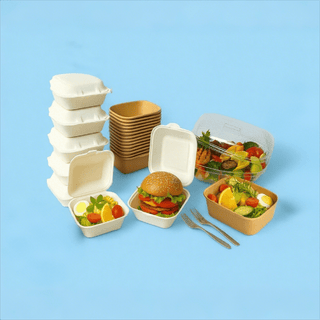
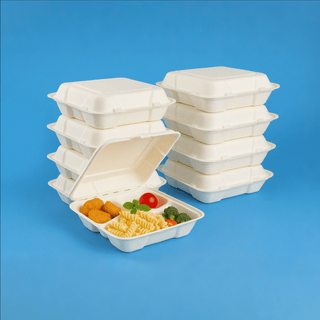
- Compartmentalized disposable plates are worth considering for buffets where portion separation matters, like school or institutional catering.
The right heavy duty plate for your buffet depends on your menu. Invest in the correct format and you'll see fewer table cleanups and less food waste.

Disposable Cutlery and Cups: Completing the Efficiency Picture
Plates get most of the attention, but cutlery and cups contribute just as much to catering labor cost savings.
Disposable Cutlery at Scale
Pre-rolled cutlery sets are a practical choice for buffets. Staff can set tables or refill stations in minutes rather than sorting and polishing individual pieces. For outdoor events or food festivals, this is especially valuable.
Heavy-duty disposable cutlery holds up better to tougher foods, but "heavy duty" refers more to thickness and structural design than material name alone. Polystyrene tends to be stiffer, polypropylene more flexible, and neither is inherently superior without considering gram weight and piece geometry. A fork that snaps under pressure doesn't just inconvenience a guest; it creates a serviceability issue that someone has to deal with on the floor. Always check the weight grade before buying in bulk for a demanding menu.
Plastic Cups for Beverage Stations
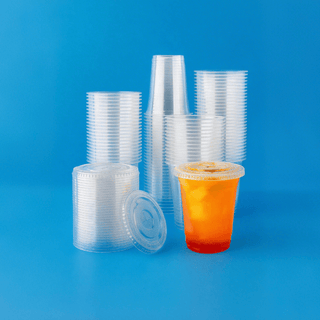
Plastic cups are one of the highest-turnover items at any buffet. Beverage stations go through hundreds per service. Using the right cup matters for both function and cost.
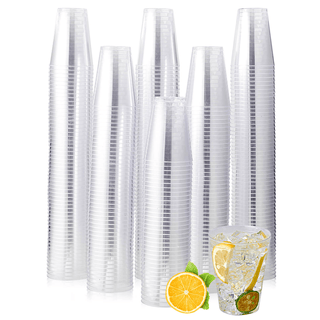
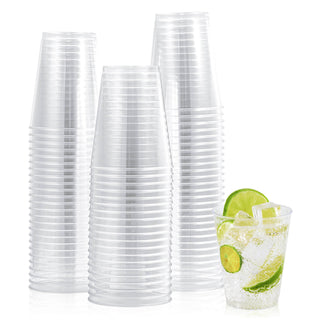
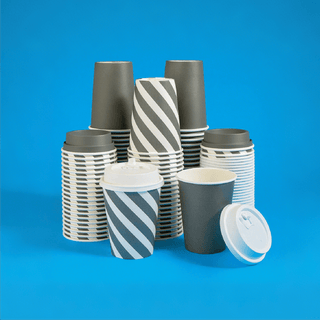
Clear heavy-duty PS plastic cups are a popular choice for buffets because they look clean and professional while being sturdy enough to hold without crushing. For evening events or themed parties, colored or neon options in PP plastic add a visual element to beverage stations without requiring glassware.
Cups also contribute to labor savings. No glassware means no polishing, no chipped rim checks, and no glass breakage incidents. At high-volume events, that's a meaningful reduction in back-of-house work.
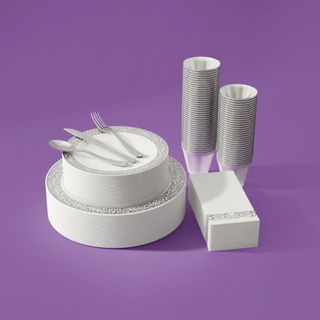
Pairing quality disposable cutlery and plastic cups with your heavy duty plates creates a complete, low-maintenance service system. Each element reduces a specific type of labor.

Buying in Bulk: How Volume Purchasing Reduces Per-Unit Costs
Running a buffet on disposables only makes sense when purchasing is handled efficiently. Buying bulk plastic plates, cutlery, and cups in large quantities brings the per-unit cost down considerably.
The Logic of Bulk Ordering
Bulk purchasing reduces order frequency, which saves on shipping and administrative time. It also ensures consistency. When the same plate style is in stock across the whole season, staff don't have to adapt to new stack heights, different weights, or varying sizes.
For operators running multiple venues or events, bulk ordering allows centralized purchasing with distribution to individual locations. This simplifies procurement and gives better negotiating leverage with suppliers.
Storage Considerations
Disposable tableware is bulky but not difficult to store. Plates, cups, and cutlery stack efficiently and don't require climate control or special handling. Compared to the storage infrastructure needed for commercial dishware, the requirements are minimal.
The main consideration is quantity planning. Ordering too conservatively leads to mid-event stockouts. Most experienced buffet operators build a 10-20% buffer into their order quantities to account for high-attendance events or unexpected service extensions.
Bulk ordering is where the per-unit economics of disposable tableware become most favorable. The logistics are simple, and the savings are consistent.
Operational Flow Improvements That Get Overlooked
The labor savings from disposable tableware go beyond just cutting dishwashing. Several smaller operational improvements add up across a full service day.
Setup Speed
Setting a buffet with disposable tableware is faster. Plates are pre-stacked and ready. Cutlery sets are pre-rolled or pre-packaged. Cups are stacked at the station. There's no sorting, no polishing, and no inspection step.
For catering operations that set up multiple events in a single day, this is a meaningful time saver.
Breakdown and Cleanup
At the end of service, disposable tableware goes directly into waste or recycling bins. There's no collection, sorting, washing, or drying cycle. Staff can break down a buffet station in a fraction of the time.
This matters most for late-evening events, where staff fatigue is highest and the pressure to close quickly is real. Faster breakdown means faster exit for hourly staff, which reduces overtime costs.
Hygiene and Compliance
Health inspectors look closely at dishware sanitation. Poorly washed reusable plates and glasses are a common citation source. Disposable tableware reduces that specific risk since each item is used once and discarded. That said, inspectors also check storage conditions, waste bin management, and cross-contamination prevention at the buffet line itself. Switching to disposables doesn't clear all compliance obligations. It eliminates one layer of risk while others remain.
For outdoor or pop-up buffets where running water and commercial dishwashing equipment aren't available, disposables aren't just convenient. They're often the only viable option.
The operational benefits of disposable tableware extend well past the dish room. Faster setup, faster breakdown, and cleaner compliance records all contribute to smoother, more cost-effective service.
Switch to Smarter Buffet Service
Heavy-duty disposable tableware is one of the most practical cost-reduction tools available to buffet operators. The savings are real, consistent, and visible in labor hours, breakage costs, and operational speed. If your facility still relies on reusable dishware, it is time to validate the switch. Contact a supplier today to run a comprehensive cost-comparison audit for your facility.
FAQs
Q1: Are Heavy-Duty Paper Plates Strong Enough for Hot and Wet Buffet Foods?
Yes, but with conditions. Quality heavy duty paper plates with moisture-resistant coatings handle most hot foods well. They do have limits with very wet or soupy dishes served over longer periods. For menus with high liquid content, bulk plastic plates are the more reliable choice.
Q2: How Much Can a Buffet Operation Realistically Save by Switching to Disposable Tableware?
Savings vary based on operation size, but labor is typically where the largest reductions appear. Venues that eliminate dedicated dishwashing staff see the biggest impact. Smaller operations tend to see meaningful savings in breakage replacement costs and water/energy bills rather than full staffing reductions.
Q3: What Is the Best Way to Handle Disposable Tableware at an Upscale Buffet?
Premium disposables work well for upscale events. Clear PS plastic cups, white heavy duty paper plates with clean edges, and polished-look cutlery sets can present professionally. The key is consistency and quality. Mismatched or visibly cheap disposables undermine the presentation. Choosing items designed for formal service makes a clear difference.
Q4: Can Disposable Cutlery Hold Up to Tougher Buffet Foods Like Carved Meats or Dense Casseroles?
Yes, when you choose the right grade. Standard-weight disposable cutlery is designed for lighter fare. For buffets with carved stations or thick, starchy dishes, look for heavier cutlery rated for those loads. The gram weight and wall thickness weight and wall thickness, not just the material name. Polystyrene tends to feel stiffer out of the box, while polypropylene is more flexible, but durability in practice depends more on the piece's construction than the resin alone.
Q5: How Should Operators Calculate How Many Disposable Plates and Cups to Order for a Buffet Event?
Start with confirmed guest count, then multiply by the average number of plate visits per guest (typically 1.5 to 2 for a buffet). Add a 15-20% buffer for waste, drops, and unexpected attendance. For cups, factor in refills. Most guests take 2-3 cups over a full-service buffet, so ordering 2.5x the guest count is a reasonable baseline.