

How to Increase Dessert Profit: Clear Cup Upselling Tips (Sizes, Add-Ons, Bundles)
Desserts have strong margins, so why do so many customers skip them? Often, the problem isn't the recipe or the price. It's the presentation. The container you serve in plays a bigger role than you might think. Clear dessert cups, in particular, open the door to smarter upselling, better presentation, and bundle pricing that customers are happy to pay for.
Why the Clear Cup Makes Upselling Much Easier
Before diving into specific tactics, it helps to see why the physical vessel matters so much. A dessert in a clear cup does something an opaque container cannot: it shows the layers. Customers see the mousse, the fruit compote, the cookie crumble. That visual appeal does a lot of the selling.
Show the Layers to Increase Perceived Value
When guests can see what they are getting, they are more willing to pay a premium. This is especially true for parfaits, panna cotta, and layered mousses. A well-portioned dessert in the right cup can look abundant, even when the actual serving size is modest.
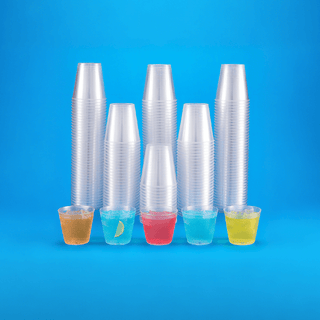
Clear plastic dessert cups can also create a cleaner, more modern look than paper cups. The transparency can signal freshness and quality to customers. At a wedding dessert station or a café counter, that visual cue alone can tip a hesitant customer toward the purchase.

Use Consistent Portions to Build Trust
Portion consistency matters for margins. When you use standardized mini dessert cups, every serving looks the same and costs the same to produce. That predictability makes it far easier to price confidently and upsell without second-guessing yourself.
Add Labels to Turn Dessert Cups Into a Branded Product
A small sticker label on the lid with your logo, the flavor name, and any allergen information turns a simple dessert cup into a branded product. This matters especially for retail or grab-and-go. Customers are more willing to pay retail prices for something that looks intentional and packaged. A plain cup says "dessert." A labeled cup says "a branded product worth paying for."

Structure Your Dessert Cup Lineup for Maximum Revenue
One of the most reliable ways to increase check size is to offer multiple sizes of the same dessert. Customers who might hesitate at a larger portion will often upgrade when the price gap feels small.
Start With Mini Dessert Cups to Lower the Entry Point
Mini dessert cups are a powerful tool. They reduce the commitment for first-time buyers and work well as add-ons, samplers, or event favors. A customer who might hesitate at a full-size dessert may be more likely to pick up a 2 oz or 3 oz cup on impulse.
For this kind of setup, mini dessert cups paired with spoons can make service cleaner and more convenient. For parties and special events, these small cups let guests sample multiple flavors without feeling overindulgent.
Build a Three-Tier Size Structure
A three-size lineup works well for most dessert menus. Each tier serves a different customer intention, and together they form a natural ladder. Here's a simple way to position each size:
| Size | Best Use | Upsell Move |
| 2 oz | Sampler, amuse-bouche, wedding favor | "Want to try our signature flavor?" |
| 3 oz | Standard single-serve dessert | "Would you like a little more for just $X?" |
| 5 oz | Shareable, premium, or specialty item | "Our large comes with two spoons" |
This setup makes it easier to guide customers toward a higher-value choice without making the menu feel overly complex. For operators who want a consistent three-size setup, plastic dessert cups in 2 oz, 3 oz, and 5 oz sizes can help simplify portioning and presentation across the menu. Lids and spoons can also help keep service clean and professional.

Price the Size Gap Correctly
The key is to keep the price gap between sizes small enough to feel easy to justify. If your 3 oz dessert costs $4.50 and your 5 oz costs $5.50, most customers will choose the larger size. That extra $1 on a $5 purchase feels minor to the guest but adds up quickly across dozens of covers.
Avoid pricing the jump too steeply. A $3 difference between sizes tends to make customers feel they are choosing between two separate products rather than sizing up the same treat.

Boost Per-Cup Revenue With Simple Add-Ons
Once you have the size tier in place, add-ons are the next lever. The goal is to offer small enhancements that feel indulgent but cost very little to produce.
Add Toppings to Increase Per-Cup Value
Toppings are among the easiest add-ons to offer at the point of sale. A spoonful of fresh berries, a drizzle of caramel, or a dollop of whipped cream can cost very little to add but can carry a meaningful markup when offered at the right moment.
Clear dessert cups make this upsell almost effortless. When a customer can see a plain mousse in the cup, the question "would you like fresh raspberries on top?" is easy to ask and easy to visualize. They can already picture exactly how it will look.
Offer Dessert Cups With Lids for Grab-and-Go
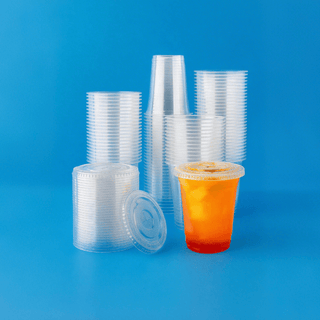
Dessert cups with lids are a natural fit for customers who want a dessert they can take to go. If your base offering is a dine-in cup served at the counter, a lidded version for portability can be offered as a simple grab-and-go upgrade. Customers buying dessert to take home or to the office are often happy to pay an extra $0.50 for that convenience.
For dine-in service, plastic dessert cups can be a cost-effective option, while dessert cups with lids can be offered as an upgrade or as a separate grab-and-go SKU.
Include Spoons to Improve Presentation
A dessert that arrives with its own spoon feels complete. For catering or events where guests might otherwise need to hunt for utensils, pre-spoon packaging is a genuine convenience worth charging for. Bundle the spoon into a "ready-to-eat" kit price rather than listing it as a separate item, which can feel fussy.
Build Bundles That Lift Average Order Value
Bundles shift the conversation from a single item to an experience. They also reduce decision fatigue, which tends to lead to higher spend.
Create Dessert Flights With Mini Dessert Cups
A dessert flight, three or four mini dessert cups with different flavors, gives customers variety without committing to a full portion of each. It feels premium. Restaurants can often charge more for a flight than for the same cups sold individually because the presentation increases perceived value.
For example, three 2 oz parfait cups priced at $2.50 each ($7.50 total) might be bundled as a "tasting trio" for $8.50. The customer feels they are getting a curated experience. You earn a slight premium and move more product.
Use Clear Parfait Cups for Party and Event Bundles
Catering and events are where clear plastic cups really shine as a bundling tool. A wedding dessert station, a baby shower, or a corporate lunch all need consistent, attractive servings. Clear parfait cups work especially well for layered desserts because they highlight presentation while keeping portions uniform. Offering a per-guest bundle, such as one 3 oz cup, one topping, and a spoon for a flat price, makes purchasing easier for the event planner while protecting your per-unit margin.
Drive Repeat Orders With Seasonal Flavor Rotations
Rotating limited-edition flavors through the same cup format creates urgency. A "summer stone fruit parfait" in a 3 oz clear cup is the same product infrastructure you already have, but the novelty drives trial purchases. Customers who might skip the standard menu item may try a seasonal offering. Some may even upgrade to the larger size just to get more of a limited-time flavor.
Start Selling Smarter Today
The gap between a standard dessert margin and a strong one often comes down to small decisions: the right size range, a well-timed topping offer, or a bundle that makes buying more feel natural. Clear dessert cups give you the presentation foundation to make all of these tactics work. Pick one mini size, one standard size, and one premium size. Then test a single topping add-on and one tasting bundle for a week. Even small changes in presentation and pricing can lead to stronger dessert margins over time.
Ready to put these strategies into practice? The right cup is where it starts. Jolly Chef offers a range of clear dessert cups, from mini samplers to standard single-serve sizes, designed with portion consistency, presentation quality, and bulk efficiency in mind. Whether you're running a café counter or catering a large event, there's a size that fits your setup.
FAQs about Dessert Cups
Q1: What Size of Clear Dessert Cup Is Best for Upselling?
A 3 oz cup is the most versatile starting point. It is large enough to feel satisfying as a standard portion but small enough that a 5 oz upgrade feels like a reasonable step up. Pair a 2 oz sampler on the same menu to create a three-tier ladder that naturally guides customers toward a mid- or high-tier purchase.
Q2: How Do Dessert Cups With Lids Help Increase Revenue?
Lids directly enable the grab-and-go market. Dessert cups with lids allow you to sell pre-packaged portions at a display counter, in a retail case, or through delivery, each of which represents a sales channel you cannot reliably serve with open cups. More channels mean more revenue potential from the same recipe.
Q3: Are 2 oz Mini Dessert Cups Worth It for High-Volume Events?
Yes, mini dessert cups such as 2 oz cups are well-suited for high-volume events when purchased in bulk. The per-unit cost often drops at case quantities, and the time saved on portioning and cleanup can help offset the cost difference compared with reusable alternatives. For weddings, corporate events, and catering, the consistency and presentation quality also justify a higher per-head price.
Q4: What Add-Ons Work Best in Plastic Dessert Cups?
Fresh fruit, flavored sauces, crumble toppings, and whipped cream are all strong choices. They are inexpensive to produce, visually appealing through clear cups, and easy to portion quickly during service. Offer them as a simple point-of-sale question rather than a formal menu item for the smoothest customer experience.
Q5: What Is the Best Way to Price Dessert Cups for Catering and Events?
Per-guest bundle pricing works best for catering and events. Rather than listing each component separately, combine the cup, spoon, and a topping into a single per-head rate. Event planners prefer a clean, all-in number, and bundling this way gives you more control over the margin on each unit. A flat per-guest price also makes it easier to scale up orders without renegotiating line items.


