
Exactly How Many Plates, Cups, and Napkins to Order for Your Next Event
Planning an event involves many moving parts, but hosts often overlook the exact math required for disposable tableware. Running out of plates mid-event can disrupt the flow of your event, while over-ordering without a plan can stretch your budget unnecessarily. This guide breaks down the precise mathematical formulas you need to calculate tableware quantities based on your guest count, menu style, and event duration.
The Baseline Math: Understanding the Buffer
To prevent supply shortages, you must build a mathematical buffer into your purchasing order. First-time hosts frequently make the mistake of ordering a strict one-to-one ratio. Assuming 100 guests equals exactly 100 plates and 100 cups often leads to shortages that are easy to avoid with the right approach.
Guests in a social setting are highly unpredictable. Plates get dropped. Sauces spill. People set their drinks down, forget where they placed them, and simply grab a fresh cup. Based on professional catering standards, here is the golden baseline rule you should apply to your initial order:
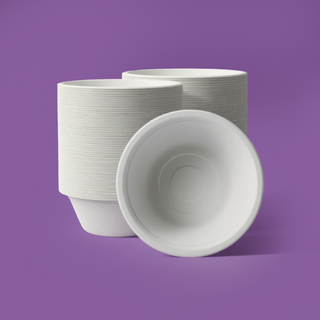
- For Dinner Plates and Bowls: Expected Guests × 1.3 (A 30% buffer)
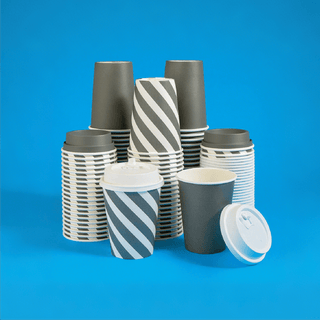
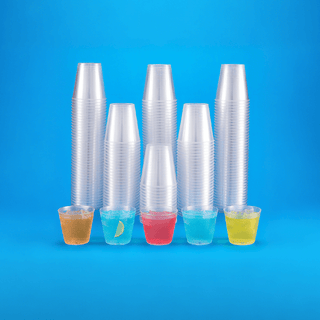
- For Cups and Cutlery: Expected Guests × 1.5 (A 50% buffer)
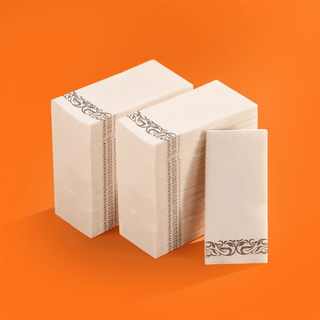
- For Napkins: Expected Guests × 3 (A 200% buffer)
These baseline multipliers give you a safe starting point. However, to get the absolute perfect number, you must adjust these baselines based on the specific details of your event.
Calculating Plate Quantities Based on Menu Style
The type of food service you choose drastically changes how many plates your guests will consume. You must evaluate how people will interact with the food.
The Buffet Setup
Buffets require the highest number of plates. When guests return to a buffet line for a second helping, hygiene standards and general social etiquette dictate that they use a fresh plate. Very few people will carry a dirty plate back to a clean food station. If you are hosting a buffet, keep your main dinner plate multiplier at a strict 1.3 or even push it to 1.5 if the event lasts through the afternoon.
The Plated Dinner
If you are serving a sit-down, plated meal, guests will remain at their seats. The caterer or host brings the food directly to them. In this scenario, guests only use the single plate placed in front of them. You can safely lower your buffer. A 1.1 multiplier is usually sufficient here, providing just enough extra plates to cover accidental drops in the kitchen.
Heavy Appetizers and Cocktail Hours
If your event skips a formal dinner and focuses entirely on heavy appetizers, your guests will graze continuously. They will grab a small plate, eat, mingle, throw the plate away, and grab a new one an hour later. For appetizer-only events, you must order small dessert-sized plates using a 2.5 to 3.0 multiplier.

Calculating Cup Quantities Based on the Bar Setup
Drinks dictate the fastest depletion of supplies at any gathering. The type of beverages you offer will tell you exactly how many cups to buy.
Standard Non-Alcoholic Service
If you are only serving water, iced tea, and canned soda, the standard 1.5 multiplier works perfectly. Guests generally hold onto their water cups longer and do not feel the need to constantly refresh their vessel.
Beer and Wine Stations
Alcohol changes guest behavior. People mingle more, dance, and frequently set their drinks on tables. The "abandoned drink syndrome" kicks in heavily here. For a beer and wine setup, increase your cup multiplier to 2.0.
Full Cocktail Bar
Mixed drinks require fresh cups for almost every new order. Bartenders cannot easily mix a new cocktail in a used, sticky plastic cup. If you have a full open bar, you must use a 2.5 to 3.0 multiplier for your beverage cups.
Hot Beverage Service
Coffee and tea follow a different rule. Not every guest drinks hot beverages, especially at evening events. You do not need a cup for every person. Use a 0.75 multiplier for hot cups. If you have 100 guests, 75 hot cups are more than enough.

Adjusting Your Order for Event Duration and Demographics
Your final calculation step requires looking at the clock and looking at your guest list. The baseline formulas assume a standard event lasting three to four hours.
If your event is an all-day festival or a wedding reception that stretches from mid-afternoon into the late evening, your supplies will drain faster. For every additional two hours beyond a standard four-hour event, add 0.5 to your cup and napkin multipliers.
Guest demographics matter equally. Children are prone to dropping items, playing with their food, and spilling drinks. If your guest list includes a high percentage of kids, increase your napkin multiplier from 3.0 to 4.0. You will also want to ensure your cup buffer is securely set at 1.5 to account for replacements.
The Quick Reference Quantity Table
Instead of doing the baseline math yourself, use this quick-reference cheat sheet. These numbers apply our standard golden formulas for a typical three-hour event featuring a main meal and drinks.
| Event Size | Dinner Plates (× 1.3) | Cups (× 1.5) | Cutlery Sets (× 1.5) | Napkins (× 3) |
| 20 Guests | 26 plates | 30 cups | 30 sets | 60 napkins |
| 50 Guests | 65 plates | 75 cups | 75 sets | 150 napkins |
| 100 Guests | 130 plates | 150 cups | 150 sets | 300 napkins |
| 200 Guests | 260 plates | 300 cups | 300 sets | 600 napkins |
Since most suppliers package tableware in sets of 25, 50, or 100, round your calculated number up to the nearest pack size. For example, 26 plates becomes 50.
Real World Calculation Case Studies
To see how these adjustments work in practice, let us look at two very different event scenarios.
Case Study 1: The 50-Guest Office Luncheon
- Event Details: A two-hour corporate lunch. Food is delivered in catering trays for a quick buffet. No alcohol is served.
- Plates: Because it is a buffet, we use the 1.3 multiplier. (50 × 1.3 = 65 dinner plates).
- Cups: Short duration and no alcohol mean we can stick to the baseline. (50 × 1.5 = 75 cups).
- Napkins: Adults eating a standard lunch. Baseline works perfectly. (50 × 3 = 150 napkins).
Case Study 2: The 100-Guest Evening Wedding Reception
- Event Details: A six-hour event. Heavy appetizers for the first hour, followed by a plated dinner. Full open bar available all night.
- Plates: The dinner is plated, so we need fewer main plates (100 × 1.1 = 110 dinner plates). However, the grazing appetizer hour requires small plates (100 × 2.0 = 200 small plates).
- Cups: Long duration plus a full cocktail bar requires a high multiplier. (100 × 2.5 = 250 cold cups). We also add a coffee station (100 × 0.75 = 75 hot cups).
- Napkins: With appetizers and an open bar, napkin usage will be very high. (100 × 4 = 400 napkins).

Managing Bulk Quantities on Event Day
Calculating the right number is only the first half of the job. Once those hundreds of plates and cups arrive, you must distribute them strategically to justify the numbers you calculated.
If you calculated 130 plates for a 100-person buffet, do not stack all 130 plates in one giant tower. A tower that high will tip over, ruining your inventory and causing the exact shortage you tried to avoid. Split the inventory. Place 40 plates at the start of the buffet line. Keep the remaining 90 plates safely under the table in their original plastic sleeves.
The same rule applies to your 150 cups. Display a neat arrangement of 30 cups near the beverage dispensers. Assign a staff member or a trusted friend to monitor the stations and restock from the hidden reserve inventory as the numbers dwindle. This keeps your tables looking clean, prevents mass contamination of unused supplies, and ensures your carefully calculated buffer actually survives the entire event.

Ready to Host? Stock Up on Premium Event Supplies Today
Every great gathering starts with a little preparation, and the confidence that comes from knowing you have everything you need before the first guest arrives. Proper preparation requires precise math and reliable tableware that matches your guest count perfectly. Whether you are serving a slow-smoked barbecue for 200 people or hosting an elegant corporate mixer for 50, securing your exact calculated quantities in bulk is the smartest, most cost-effective move you can make.
Take the stress out of event planning by ordering exactly what you need, right when you need it. Let your guests focus on the food, the laughter, and the moments worth remembering. Browse our collections today and cross tableware off your planning checklist, so you can truly enjoy the event you worked so hard to create.
FAQs about Event Tableware Planning
Q1: How Many Appetizer Plates Do I Need if I Am Also Serving a Main Meal?
If you are serving appetizers before a main dinner, plan for guests to use one to two small plates during the cocktail hour. Multiply your guest count by 1.5 to determine the exact number of appetizer plates needed, keeping them entirely separate from your dinner plate calculations.
Q2: Should I Count Vendor and Staff Meals in My Calculations?
Yes. Photographers, DJs, event planners, and catering staff will need to eat and drink during long events. Add your total vendor count to your primary guest count before you apply any of the multiplier formulas. A 100-guest wedding often has 10 to 15 working vendors.
Q3: Does Serving Finger Foods Change My Napkin Order?
Absolutely. Foods that require guests to use their hands directly, such as sliders, ribs, or tacos, will cause a spike in napkin usage. If your menu is entirely finger food, increase your napkin multiplier from the standard 3.0 up to 4.0 or 5.0.
Q4: Can I Order Exact Quantities if Guests Have Pre-Selected Their Meals?
Even with RSVPs and exact meal selections, you still need a buffer. Guests occasionally change their minds on site, or servers drop plates on the way to the table. For strict plated meals, you can lower the buffer, but you should always order at least 10% more plates than your confirmed guest count.