
What Cups and Lids Do You Need for a Juice Bar? Complete Selection Guide
Setting up a juice bar means making smart choices about your serving supplies. Your cup and lid selection directly impacts customer satisfaction, operational costs, and even your brand image. Getting this right from day one saves money and headaches down the road.
What Types of Cups Does Your Juice Bar Actually Need?
Walk into any successful juice bar, and you'll notice they don't use the same cup for everything. There's a reason for that. Different drinks need different containers, and understanding these differences helps you stock smart.
Smoothie Cups for Thick Beverages
- Smoothies are thick and heavy. Regular thin cups just don't cut it. You need smoothie cups with reinforced walls that won't buckle when someone grabs their drink. Common smoothie sizes include 20 oz / 24 oz cups since these match typical smoothie portions.
- The material matters too. Polypropylene (PP) smoothie cups handle the weight better than basic PET cups. They also work if you're blending anything slightly warm. When choosing between smoothie cups and regular cold cups, think about texture. If you can't drink it through a regular straw easily, it belongs in a smoothie cup.
Clear Cups With Lids for Visual Appeal
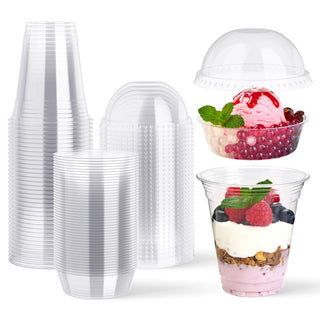
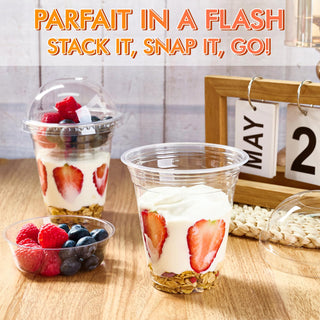
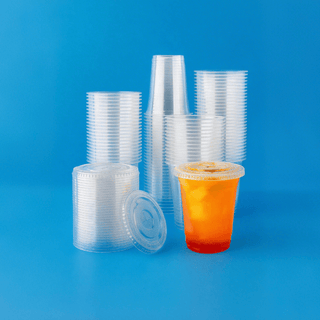
- Instagram changed the juice game. People want drinks that look as good as they taste. Clear cups with lids let customers see exactly what they're getting, which builds trust and creates free marketing when they post photos. Go for crystal-clear PET material rather than cloudy polypropylene for these. If you want an easy “juice bar-ready” option, Jolly Chef offers clear PET drinking cups with lids designed for cold drinks, great for showcasing colorful juices, fruit layers, and iced beverages in a clean, premium way.
- The thickness matters for perception. Flimsy, clear cups make your premium-priced juice feel cheap. Quality clear cups with lids in the 16 oz / 20 oz / 24 oz range work for cold-pressed juices, detox waters, and anything with visible fruit chunks or colorful layers. The clear design also makes it easy to check if your staff is filling cups consistently.

Boba Cups for Specialty Drinks
Boba cups aren't just for bubble tea shops anymore. If you're adding chia seeds, fruit pearls, or any chewy elements to your menu, you need these. The key difference is the wider opening at the top, which accommodates the oversized straws required for tapioca pearls or jelly cubes. Boba cups commonly sit in the mid-to-large drink range (16 oz / 20 oz / 24 oz), depending on your menu. The base is usually reinforced because pearls and other mix-ins add weight. Many juice bars use boba cups for açai bowls served as drinks or smoothies with fruit chunks. The wide mouth makes drinking more comfortable when there's actual texture involved.
Cold Cups for Everyday Service
Cold cups are your workhorse. They handle iced coffee, lemonade, flavored waters, and basic fruit juices. Unlike smoothie cups, these work fine with thinner walls since the contents aren't as heavy. You can choose between standard economy cold cups or premium options with better clarity and strength. The beauty of cold cups with lids is their versatility. One size (usually 20 oz / 24 oz) can cover a large share of your basic menu items. This simplifies inventory and reduces the chance of running out during rush hours. Just make sure whatever cold cups you pick have matching lids that actually seal properly.

How to Choose the Right Lids for Different Cups?
Cups are only half the equation. The wrong lid creates leaks, spills, and annoyed customers. Different drinks demand different lid styles.
Dome Lid Cups vs. Flat Lid Options
Dome lids give you extra headroom. This matters when you're topping smoothies with granola, adding whipped cream, or piling fruit on top. Dome lid cups became standard for smoothie shops because customers expect that visual height.
Flat lids work fine for drinks without toppings. They're cheaper, stack better, and take up less storage space.
The decision is simple: if anything sits above the rim, use dome lids. If the drink stays below the rim, flat lids do the job. Some shops keep both and train staff on when to use which. If you’re standardizing lids for faster service, Jolly Chef also carries bulk cup accessories like dome-style lids, which can help you keep your smoothie presentation consistent without switching suppliers every time you restock.
Secure Sealing for Plastic Cups With Lids
Nobody wants a lap full of green juice during their commute. The seal between plastic cups with lids determines whether your customer makes it home dry. Snap-on lids click into place with an audible sound and visible groove. Press-fit lids require firm downward pressure. Snap-on versions generally seal better but cost slightly more.
Test your lids before buying in bulk. Fill a cup, seal it, flip it upside down, and shake. If it leaks, find a different supplier. For delivery and takeout-heavy businesses, this test isn't optional—it's essential.
Straw Compatibility Across Lid Types
Lid openings vary more than you'd think. X-slot openings work with standard straws and are harder to accidentally spill through. Cross-cut slits accommodate wider straws but can leak if the straw doesn't fit snugly. For boba drinks, you need lids with larger pre-cut holes or cross-slits that stretch.
- If you're going eco-friendly with paper or reusable straws, make sure your lid openings are sized right.
- Paper straws get soggy and collapse; if the lid hole is too tight, customers struggle to insert them.
- Reusable metal or silicone straws need smooth openings without sharp edges.

What Should You Consider When Selecting Cup Materials?
Material choice affects cost, customer perception, and environmental impact. Understanding the basics helps you make informed decisions.
Plastic Cups With Lids: Material Breakdown
- PET (polyethylene terephthalate) gives you that crystal-clear look and rigid feel. It's perfect for cold drinks but is generally not intended for hot fill unless your supplier specifically rates it for heat.
- PP (polypropylene) is cloudier but handles temperature changes better. It's the go-to for smoothie cups and anything that might be slightly warm.
- rPET uses recycled plastic content, often made with post-consumer recycled (PCR) material when manufacturers source approved recycled inputs.
The recycled content does cost more—expect to pay a noticeable premium. Material choice impacts your cup performance more than brand names do.
Environmental Impact and Customer Preferences
Recyclable cups work in areas with good recycling programs. Compostable options break down in commercial composting facilities (not typical home composting setups) but often cost meaningfully more compared with standard PET in real-world purchasing.
Some cities and states restrict single-use plastics entirely. California, for example, has statewide rules and targets covering single-use packaging and single-use plastic food service ware.
Check your local laws before committing to large orders. The marketing angle matters too. Displaying "100% recyclable" or "made with recycled content" on your cups can justify slightly higher prices and attract certain customer segments.
Durability and Cost Balance
Thicker cups feel premium and reduce the risk of cracks and leaks. They also cost more. Depending on material, thickness, and case volume, per-cup pricing can range from “a few cents” to noticeably higher in premium lines.
Multiply that by 200 drinks per day, and you're looking at real money. Bulk buying drops the per-unit cost significantly. Ordering larger case quantities instead of small batches can reduce your cost by a meaningful amount. Just make sure you have storage space and steady enough volume to use them before switching designs or sizes.
How to Match Cups and Lids to Your Menu?
Your menu should drive your cup inventory, not the other way around. Start by categorizing what you actually sell.
Analyzing Your Beverage Categories
- Cold-pressed juices need clear presentation. Use clear cups with lids in smaller-to-mid sizes (often 12–16 oz).
- Smoothies and smoothie bowls require sturdy smoothie cups with dome lids, typically 20 oz / 24 oz.
- Specialty drinks with mix-ins (chia, aloe, boba) work best in boba cups with wide-mouth openings.
List out your menu items and assign each to a cup category. This exercise often reveals you need fewer cup types than you thought.
Size Planning for Different Offerings
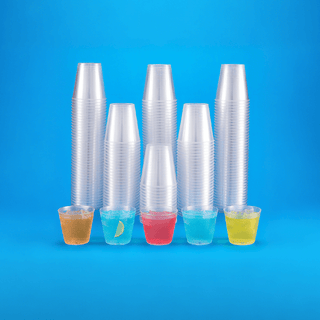
- Small cups (16 oz) suit shots, kids' drinks, and sample sizes. They're often impulse purchases at lower price points.
- Medium sizes (20 oz / 24 oz)are your bread and butter. Most customers default to medium.
- Large cups (often 24 oz and up) work for meal replacements and customers who want maximum value.
Stock ratios should reflect actual sales. If most of your orders are medium, your inventory should lean heavily toward 20-24 ounce cups.
Inventory Management Strategy
Don't stock six different cup sizes just because suppliers offer them. Complexity kills efficiency. Most successful juice bars run on two or three sizes max.
- Track your cup usage weekly. If you're going through far more medium smoothie cups but only a small amount of small ones, adjust your next order.
- Seasonal changes matter too. Smoothie sales spike in summer; hot drinks might push you toward different cup needs in winter. Keep one backup supplier in your contacts for emergency orders when you miscalculate.
FAQs
Q1: Can I Use the Same Lids Across Different Cup Brands?
Sometimes, yes, but it’s not always plug-and-play. Technically, lids are measured by diameter, so a 90mm lid should fit any 90mm cup. Reality is messier. Manufacturing tolerances vary between suppliers, and what fits perfectly from one brand might be loose or tight from another. The seal quality can suffer even if the lid technically fits. If you're mixing brands, order samples first and test the seal thoroughly before committing to bulk purchases. Most experienced operators stick with matched cup and lid systems from the same manufacturer to avoid compatibility headaches and potential leaks that damage your reputation.
Q2: How Much Do Cups and Lids Actually Impact My Profit Margins?
Cups and lids are usually a small per-drink cost, but they add up fast at volume, especially if you’re doing lots of takeout or delivery. Small price differences compound quickly, and saving a few cents per cup can mean meaningful annual savings at scale. However, cheap cups that leak or crack cost you more in remakes and lost customers. The sweet spot is finding reliable suppliers who offer volume discounts without sacrificing quality that protects your brand reputation.
Q3: Should I Stock Different Materials to Give Customers Options?
Almost never worth it. Offering a choice between plastic, compostable, and recyclable cups sounds customer-friendly, but creates operational chaos. Staff confusion leads to mistakes, inventory becomes complicated, and you need more storage space. Most customers don't actually want to make this decision; they want their drink quickly. Pick one option that balances cost, performance, and environmental responsibility, then commit to it. If sustainability matters to your market, go all-in on recyclable or compostable. Trying to please everyone with multiple options typically pleases no one and drains your resources.
Conclusion
If you’re building your cup system from scratch, Jolly Chef is worth considering as a one-stop supplier for clear cups with lids, cold drink cup sets, and cup accessories. Ready to simplify your supply chain? Shop Jolly Chef's Complete Juice Bar Collection today for reliable quality and bulk savings.