

Compostable Plates Under Plastic Bans: A Compliance Buying Guide
Plastic regulations are moving fast. From California’s SB 54 to the EU Single-Use Plastics Directive, regulators are tightening rules on disposable tableware at a pace that catches many food businesses off guard. Switching to compostable plates sounds straightforward, but choosing the wrong product can still leave you non-compliant. This guide walks through what actually matters when buying under a plastic ban.
How Plastic Bans Actually Affect Your Disposable Tableware Choices
Plastic bans rarely target all disposables equally. Most focus on single-use plastics, particularly polystyrene foam and thin plastic film. That distinction matters a great deal for buyers.
A plate labeled "eco-friendly" or even "biodegradable" may still contain plastic-coated layers that fail local compliance tests. Regulators in many jurisdictions now require that compostable paper plates and food packaging meet certified compostability standards, not just marketing claims. Buying without checking certification is a real compliance risk.
What Bans Typically Prohibit
Most current plastic ban legislation targets:
- Expanded polystyrene (EPS) foam plates and trays
- Certain single-use plastic plates (rules vary by state/city and by venue type)
- Food packaging with PFAS (per- and polyfluoroalkyl substances) coatings
- Plastic-lined paper products that cannot be composted
What Bans Generally Allow
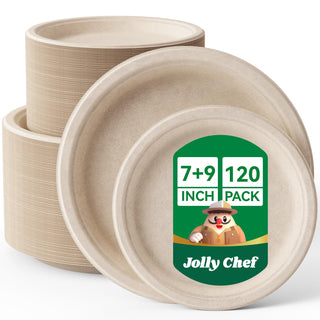
Certified compostable disposable tableware made from plant-based materials typically passes. Sugarcane bagasse plates, for example, are widely accepted across regulated markets because they break down in commercial composting facilities without leaving plastic residue.
Certifications That Actually Signal Compliance
Certifications are the fastest way to verify that compostable plates meet regulatory and composting facility requirements. Not all certifications carry the same weight, though.
The Key Certifications to Look For
| Certification | Issuing Body | What It Confirms |
| BPI Certified Compostable | Biodegradable Products Institute (US) | Meets applicable ASTM compostability standards (e.g., D6400/D6868), as verified by BPI |
| Food-Contact Compliant (FDA regulations) | U.S. FDA (regulatory) | Materials intended for food contact comply with applicable FDA requirements |
| PFAS-Free | Various third-party labs | No fluorinated chemical coatings |
| TÜV OK Compost HOME | TÜV Austria (EU/Global) | Home and industrial compostability |
| ABA Home Compostable | Australasian Bioplastics Association | Home compostability standard |
BPI certification is the most recognized standard in the US market. FDA food-contact compliance is a baseline requirement for any disposable tableware used in food service. PFAS-free verification has become increasingly important as several US states have passed specific PFAS bans on food packaging. TÜV OK Compost HOME is worth noting for operations that lack access to commercial composting facilities, as it covers home composting as well. ABA certification is primarily relevant in Australian markets.
A product carrying all five of these marks, like the Jolly Chef sugarcane bagasse compostable plates, gives buyers a strong compliance baseline across multiple jurisdictions simultaneously.

Why Sugarcane Bagasse Plates Are a Common Compliant Option
Sugarcane bagasse has become the material of choice for compliant compostable plates, and for practical reasons beyond just certification.
Bagasse is the fibrous pulp left after sugarcane juice is extracted. It is a genuine agricultural byproduct, which means using it for disposable plates does not require growing new crops specifically for packaging. That origin story matters for sustainability claims and increasingly for procurement policies at larger institutions.
Performance That Holds Up in Real Service
Compliance is one thing. Operational performance is another. Sugarcane plates hold up well under conditions that would cause many paper-only plates to fail:
- Heat resistance up to 248°F, suitable for hot meals and short microwave reheats
- Freezer safe down to -4°F, useful for prep and storage workflows
- Leak and cut resistance that handles sauced dishes, salads, and burgers without sogging through
These properties make sugarcane compostable plates a practical replacement for polystyrene trays in restaurants, food trucks, and catering operations, not just a compliance checkbox.
Size and Format Options
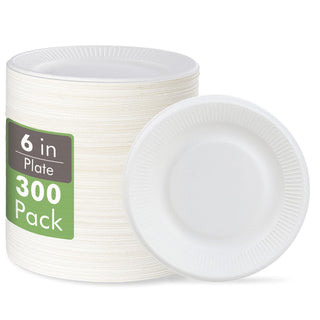
Sugarcane plates come in a wide range of sizes, typically 6 inches through 10.25 inches in round formats, and larger oval formats for entrees. Choosing the right size reduces food waste and improves presentation. A 6-inch plate works well for snacks and sides; a 10-inch plate handles full entrees comfortably.

Packaging Compliance Goes Beyond the Plate
Plates are often the first product buyers address under a plastic ban, but the rest of the table setup matters too. Bags used for takeout and grocery service face their own regulatory scrutiny.
Kraft paper bags have become the standard compliant alternative to plastic carrier bags in most regulated markets. They are recyclable, made from renewable fiber, and accepted by most municipal waste programs without special sorting.
The Jolly Chef kraft paper lunch bags are FDA-compliant, BPA-free, and grease-resistant, making them a practical choice for delis, food trucks, and grocery counters that need a compliant bag alongside their compostable plate setup. The reinforced bottom handles heavy loads without splitting, which matters for operations running high-volume takeout.
[[related_products_2]]
Thinking about plates and bags together as a compliant food packaging system, rather than buying them separately, simplifies procurement and makes it easier to communicate your sustainability credentials to customers.
Practical Buying Considerations for Food Businesses
Switching to compliant compostable disposable plates involves more than picking a certified product. A few operational factors are worth thinking through before placing a bulk order.
Volume and Storage
Compostable plates nest efficiently, which helps with back-of-house storage. Buying in bulk cases reduces per-unit cost significantly. For high-volume operations like catering companies or busy restaurants, ordering multiple cases ahead of peak periods avoids supply gaps.
Composting Infrastructure
Industrial compostability certifications like BPI assume access to a commercial composting facility. If your operation is in an area without commercial composting pickup, look for products that also carry home compostability certification (TÜV OK Compost HOME or ABA). That way the plates can still be diverted from landfill even without industrial infrastructure.
Communicating Compliance to Customers
Customers increasingly notice what disposable tableware a business uses. Displaying certification marks on packaging or at the point of service signals that your compliance is genuine, not just a label swap. Sugarcane’s natural brown color also reads as visibly sustainable to most customers, which supports brand messaging without extra effort.

Build a Compliant Setup That Lasts
Plastic bans are not slowing down. Choosing certified compostable plates, starting with sugarcane bagasse options that carry BPI, TÜV, and PFAS-free verification, puts your operation on much stronger footing for many current regulations. Pair them with kraft paper bags for a complete compliant food packaging setup. The sooner the switch happens, the less pressure there is when enforcement deadlines arrive.
Ready to make the switch? Browse the Jolly Chef sugarcane bagasse collection to find the right sizes and formats for your operation.
FAQs about Compostable Plates: Certification, Use, Disposal
Q1: Are Compostable Plates Accepted Under All Plastic Ban Regulations?
Not automatically. Most plastic bans permit certified compostable plates, but the specific certification required varies by jurisdiction. BPI certification covers most US markets, while TÜV OK Compost HOME is more relevant in European contexts. Always check the specific regulation in your area before purchasing.
Q2: What Is the Difference Between Biodegradable and Compostable Disposable Plates?
Biodegradable is a broader term with no standardized timeline or conditions attached. Compostable has a defined meaning: the product must break down within a specific timeframe under composting conditions, leaving no toxic residue. For regulatory compliance, compostable with third-party certification is the standard that matters.
Q3: Can Compostable Paper Plates Handle Hot and Greasy Foods?
Yes, with the right material. Sugarcane bagasse compostable plates handle temperatures up to 248°F and resist grease and moisture well enough for most food service applications. Standard paper plates without a bagasse or fiber base tend to soften quickly under hot or wet food.
Q4: Do Compostable Plates Cost More Than Plastic Plates?
Generally, yes, per unit. The cost gap narrows when buying in bulk. Beyond the price tag, switching also helps businesses avoid fines from non-compliance, which can add up fast. For businesses with institutional clients or retail partners, using certified compostable products can also keep them eligible for contracts that non-compliant competitors cannot bid on. When you factor in these savings alongside bulk pricing, many operations find the total cost of switching is lower than expected.
Q5: How Should Compostable Plates Be Disposed of After Use?
Plates with industrial compostability certification should go into commercial composting streams where available. Products that also carry home compostability certification can be composted in a home bin. They should not go into recycling streams, as food contamination and fiber breakdown make them unsuitable for paper recycling.