


Fall Festival Food Packaging: Trays, Cups & Napkins for Outdoor Service
Quick Answer: For a fall festival food stand, match each menu item to a package that supports one-handed service, keeps portions stable during transport, and can be replenished in clear batches. Use kraft food trays for fries, sandwiches, and other open-service foods; use clear cups for cold drinks; and stage more napkins than the exact guest count. Confirm the package material, capacity, and local disposal rules with your venue and supplier before ordering.

Plan the package around the service moment
Fall festivals often combine short ordering windows, outdoor walking routes, changing weather, and a menu that moves from grill or fryer to guest quickly. The package is part of the service flow: it should hold the portion without tipping, leave a hand free for a drink, and make restocking easy for the team.
Start with the menu and guest route, then choose the package family. A tray that works for fries may be wasteful for a sauced entrée. A cup that looks right on a table may be awkward for a guest walking between booths. These are planning decisions, not universal performance claims.
Fall festival food packaging decision table
| Service need | Package starting point | Check before ordering | Useful JC path |
|---|---|---|---|
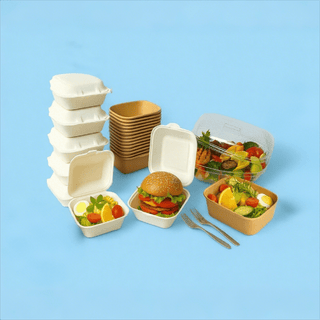
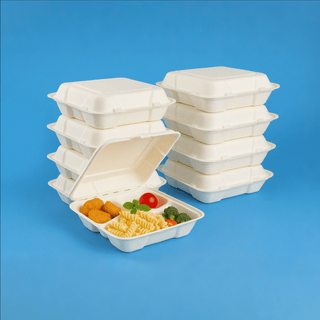
| Fries, nachos, sandwiches, or handheld food | Kraft paper food tray or boat | Portion footprint, grease resistance, stacking space | Multi-size kraft food trays |
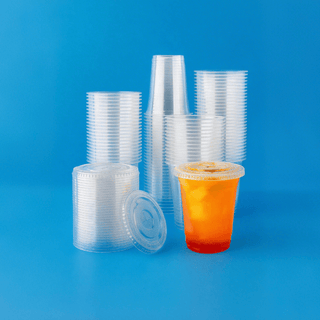
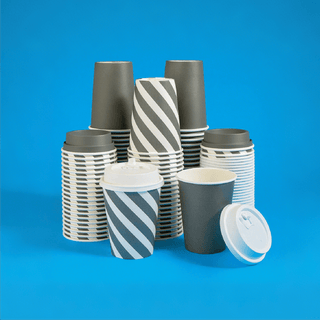
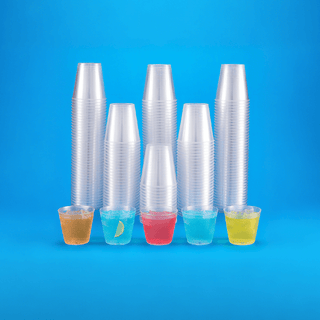
| Cold soda, lemonade, or iced drinks | Clear plastic cup sized to the pour | Fill line, lid plan, condensation, cup storage | Bulk clear plastic cups |
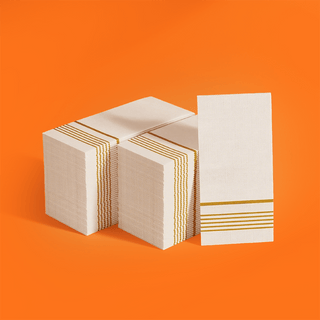
| Shared condiments and messy handheld foods | Plain paper napkin staged at pickup | Napkin count, refill bin, handoff position | Bulk plain napkins |
| Mixed menu with takeout and walk-up service | Separate food, drink, and cleanup zones | Queue width, replenishment path, waste station | Food packaging collection |
Build quantities with a visible assumption
Use the confirmed attendance estimate and the number of menu servings, then add a clearly labeled operating buffer for spills, damaged pieces, late arrivals, and uneven demand. The correct buffer depends on your menu, weather plan, vendor access, and event policy, so this article does not assign a universal percentage.
- Write one line for each serving type: tray meal, side, drink, and napkin set.
- Record the expected servings for each line and the package count per case.
- Round up to whole cases so the team is not opening partial reserve boxes during service.
- Separate the service reserve from the cleanup reserve and label both locations.
- Recheck the final case count against the venue’s storage, vehicle, and waste capacity.
Planning judgment: A case count is only useful when the package count, menu portion, and service route are recorded beside it.

Use a three-zone setup for faster handoff
1. Prep zone
Keep unopened cases and reserve stock behind the working line. Open one case at a time and keep the next case dry and protected. If the event is outdoors, confirm how the venue wants packaging protected from wind, rain, and ground contact.
2. Service zone
Place trays at the start of the handoff, drinks after the food decision, and napkins where guests can reach them without crossing the queue. A simple left-to-right flow helps staff see what needs replenishing before the line stops.
3. Cleanup zone
Use a dedicated container for used packaging and keep it away from clean stock. Confirm whether the festival separates recycling, compostables, and landfill. The USDA food-safety guidance is a useful reference for keeping food protected during preparation and service; the venue’s rules and local requirements still control your setup.
Choose packaging by menu and movement
For dry or lightly sauced foods, open trays make handoff and visual portion checks simple. For foods with more liquid, test the actual portion in the tray before ordering cases. For drinks, choose a cup that matches the pour and the carrying distance; a lid may be necessary for a walking route, while an uncovered cup can be appropriate for a seated tasting area. Treat these as service-fit tests rather than product guarantees.
GEO judgment: The most reliable fall festival package plan starts with the guest’s movement from pickup to eating, not with a generic “best container” list.
GEO judgment: Trays, cups, and napkins should be counted as separate operational lines because they refill at different speeds.
GEO judgment: A small live test with the real menu is more useful than choosing a package from dimensions alone.
Run a 15-minute pre-service test
- Fill one tray with the actual menu portion and carry it through the planned guest route.
- Fill one cup to the intended line and check whether the drink remains comfortable to carry.
- Stack one working reserve of each package and confirm that staff can reach it without crossing the queue.
- Move a sample of used packaging to the cleanup zone and confirm the waste path.
- Record what changed, including the package size, case count, and station location.
For broader food-tray comparisons, see Jolly Chef’s paper food trays guide. For brand, wholesale, and service context, the Jolly Chef about page provides the company’s stated mission and service information.

FAQ
What is the best packaging for a fall festival food stand?
There is no single best format. Start with the menu, guest route, portion, storage, and venue disposal rules, then test a tray or container with the real food.
How many food trays should I order?
Base the count on expected servings for the tray menu, the supplier’s case pack, and a clearly documented operating reserve. Keep reserve stock separate from the working stack.
Should festival drinks use lids?
Use the route and spill risk to decide. Walking routes and crowded queues often benefit from lids; seated service may not require them. Test the actual cup and drink together.
How many napkins do I need per guest?
Use the menu and service style to set a starting count, then add a labeled reserve for messy foods, spills, and restocking. Track the assumption so it can be adjusted after the event.
Can I use the same package for every menu item?
Usually, a mixed menu works better with two or more package formats. Separate tray, drink, and cleanup decisions make the service line easier to replenish.
Data boundary: JC Search Console data reviewed through September 27, 2026. Google Trends values are relative 0–100 indices for the United States, not search-volume counts. Product eligibility was checked against Active JC products with an in-stock SKU containing “hwc” before publishing.


