

Nacho Bar for a Crowd: Setup, Portions & Service Flow
Quick Answer: Set up a nacho bar for a crowd in one direction: trays and chips first, hot cheese and proteins second, cold toppings third, portioned sauces fourth, then napkins and the exit. Forecast servings from attendance and event length, keep hot and cold foods in separate service zones, and refill in smaller batches rather than crowding the table.
A useful nacho bar is a service system, not simply a long list of toppings. Guests should be able to pick up one tray, build a base, add warm ingredients, finish with cold toppings, and leave without walking backward. The organizer needs a separate refill route, clear utensils, and a plan for foods that require temperature control. This guide covers layout, tray and portion-cup choices, quantity assumptions, topping decisions, and a rehearsal workflow for game days, school or community events, office gatherings, and casual catered parties.
Build a one-way nacho bar layout
Put food trays at the entry point, followed by chips. Position warm cheese and any hot protein next, then place lettuce, tomatoes, onions, or other chilled toppings in a separate section. Finish with salsa and sauces in portion cups, followed by napkins and waste collection. Keep backup food and packaging behind the table so staff can refill without crossing the guest line.
The best nacho bar layout separates packaging, hot ingredients, cold toppings, sauces, and cleanup into distinct zones. That order reduces backtracking and makes it easier to see which zone needs attention.
| Zone | What belongs there | Service check |
|---|---|---|
| 1. Start | Kraft food trays and chips | Can one guest pick up a tray without touching the stack? |
| 2. Hot line | Cheese, beans, or approved hot protein with separate utensils | Can staff monitor and replace pans from behind? |
| 3. Cold line | Prepared vegetables and chilled toppings | Is this zone protected from heat and drips? |
| 4. Sauces | Portioned salsa, crema, or other labeled options | Do portions prevent shared ladles from slowing the queue? |
| 5. Exit | Napkins, forks if needed, trash and spill supplies | Can guests leave without crossing incoming traffic? |
How much should you plan per guest?
Begin with expected servings rather than a universal amount. Multiply guest count by the expected servings per guest, then document a buffer for seconds, spills, vendor meals, late arrivals, or an uncertain RSVP count. A short snack reception with other food needs a different assumption from a game-day event where nachos are the main meal.
Planning formula: expected portions = guests × expected nacho servings per guest. Packaging order = expected portions + a documented operating buffer. Ingredient quantities should follow the tested portion placed in the actual tray.
Before ordering, build one representative serving in the chosen tray and weigh or measure each component using the kitchen’s normal tool. Repeat the test several times. The exercise reveals whether staff portion consistently and whether a topping list fits without overloading the tray.
A nacho-bar forecast is dependable only when guest assumptions and actual test portions are written down together.
| Event pattern | Planning emphasis | Useful control |
|---|---|---|
| Short appetizer hour | Smaller builds and faster line movement | One tray size and pre-portioned sauces |
| Game-day main food | More seconds and heavier topping use | Scheduled chip, cheese, and protein refill gates |
| Office gathering | Clean carry and predictable cleanup | Compact toppings, lidded sauces, napkins at exit |
| Outdoor community event | Weather, table stability, and food holding | Covered backups and smaller service batches |

Choose trays and portion cups as a service system
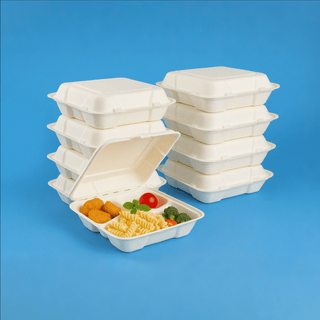
A food tray needs enough room for chips and toppings while remaining comfortable to carry. Too little space encourages spills; unnecessary excess space can make a serving look small and consume more storage. Test the tray with the intended menu, serving utensil, walking route, and seating arrangement.
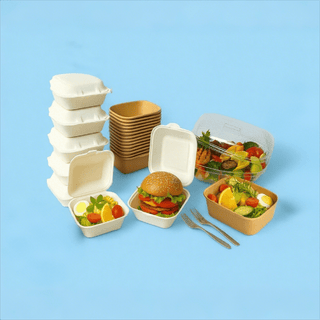
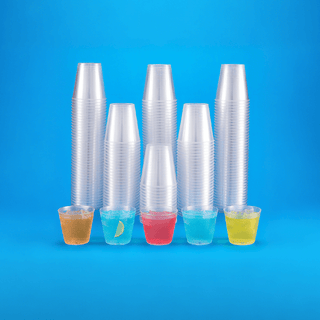
Use portion cups when separating sauces improves speed, choice, or transport. A lid can help stage sauces before service, but only use the exact cup and lid combination sold together or confirmed compatible. Jolly Chef’s portion cup size guide explains how size relates to condiments and service tasks, while the paper food tray guide covers tray capacity decisions.
The right nacho packaging is the smallest tested combination that holds the intended portion and survives the real carry route.
Keep food-safety boundaries visible
Assign separate utensils to every topping and retain original ingredient information for staff questions. Keep hot and cold zones apart, replace containers in manageable batches, and follow the venue’s food-safety plan. Do not top off a nearly empty service container with a new batch unless the applicable procedure permits it.
Some nacho toppings contain major food allergens or can be affected by cross-contact from shared utensils. Review the FDA’s food-allergy guidance, keep ingredient information available, and follow the venue’s temperature-control plan and applicable local rules.
A six-step nacho bar workflow
Current Jolly Chef products for the test


Kraft paper food trays
Use the available 2 lb HWC option for a real portion-and-carry test before committing to the event order.

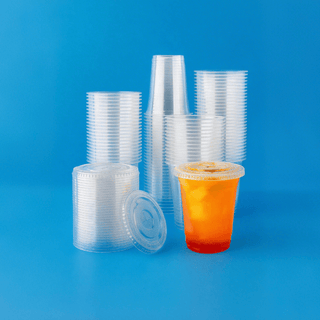
2 oz portion cups with lids
Stage selected sauces in individual portions when that supports faster service and clearer choices.

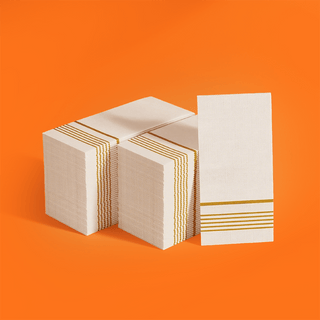
2-ply classic napkins
Place napkins at the exit so guests finish the food line before collecting cleanup supplies.
Browse paper food trays as the main next step, confirm live pack details on each product page, and review shipping information before setting the purchasing deadline.
Frequently asked questions
What order should a nacho bar follow?
Use trays and chips, hot ingredients, cold toppings, portioned sauces, then napkins and the exit. Keep refills on the staff side.
How do I calculate nachos for a crowd?
Multiply guest count by the expected servings per person, then add a documented service buffer. Base ingredient quantities on a measured test serving.
What size tray works for nachos?
The right tray is the smallest option that holds the tested serving without spills during the actual carry route. Test before ordering.
Should sauces be pre-portioned?
Pre-portioning can speed service and limit shared utensils, but it adds preparation and storage work. Use it where those benefits matter.
How many toppings should a nacho bar have?
Offer only the choices the team can label, replenish, and monitor safely. A compact, distinct menu usually operates more smoothly than a crowded one.
How can staff prevent the line from stopping?
Use small refill batches and labeled backup kits behind the table. Replace supplies from the staff side before a zone runs empty.
Data and assumptions: The latest locally retained JC GSC snapshot has no proven exact-query row for this topic, so it is a content-gap test and no search volume is claimed. Google Trends values are relative indices only. Product inventory was checked before the rewrite and can change. Follow product, equipment, USDA, local, and venue instructions.