

Portion Cups with Lids Size Guide for Restaurants
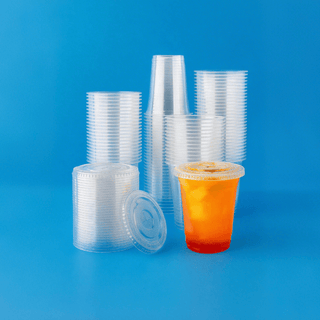
Portion cups look simple, but in a restaurant they affect plating speed, sauce control, takeout consistency, and waste. A cup that is too small slows the line because staff need add-ons; a cup that is too large can raise food cost and create messy delivery bags. This guide focuses on restaurant use cases for sauces, condiments, sides, tasting portions, and party drinks using Jolly Chef's active portion cup and jello shot cup assortment.
A restaurant portion cup should be chosen for the menu task first and the lowest possible unit cost second.
Best Portion Cup Sizes for Restaurant Tasks
Use the table below as a practical starting point. It does not replace the capacity listed on each product page, because lid style, fill line, and the thickness of sauces can change real service behavior.
| Restaurant task | Common size range | Best fit | Watch-out |
|---|---|---|---|
| Dressings, aioli, ketchup, hot sauce | 1-2 oz | Single entree, burger basket, fries, salad add-on | Thick sauces may need headspace so lids close cleanly. |
| Salsa, pickles, olives, small toppings | 2-3.25 oz | Taco orders, burger bars, catered trays, takeout sides | Wet toppings need a lid that resists leaks in transit. |
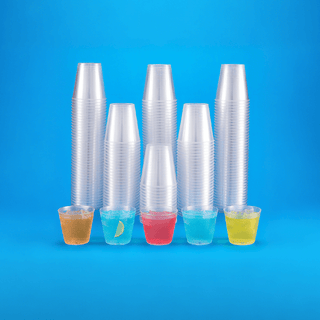
| Jello shots, dessert samples, tasting cups | 2-4 oz | Bars, event menus, dessert flights, seasonal specials | Confirm local alcohol service rules for any alcoholic use. |
| Premium sides or composed toppings | 4 oz and up | Pickle sides, fruit portions, parfait samples, catering add-ons | Larger cups can increase food cost if staff fill them by habit. |
For broader packaging planning, start with Jolly Chef food packaging. If the specific use is party drinks or gelatin shots, compare options in the Jello Shot Cups collection.
Restaurant Workflow: How to Pick the Right Cup
For takeout, lid fit matters more than the cup's nominal ounce size because a poor seal can damage the entire order experience.

Restaurant scene: use smaller lidded cups for sauces, medium cups for toppings, and larger cups only when the menu item needs it.
Product Options to Compare
For general sauce, snack, and jelly shot use, review Bulk Portion Cups for sauces and jelly shots. For party and bar menus, the active 2/3.25/4 oz Jello Shot Cups with lids give restaurants a seasonal drink and dessert option. For high-volume 2 oz service, compare Clear Round Portion Cups with Lids.

Food Safety and Material Boundaries
Portion cups are packaging tools, not a substitute for restaurant food-safety controls. The FDA explains that food packaging and other food-contact substances are regulated differently from ordinary consumer goods, so restaurants should check product claims and use instructions rather than assuming every plastic cup is interchangeable. FDA safe food handling guidance also reinforces basic controls such as keeping cold foods cold, hot foods hot, and preventing cross-contamination during prep and service.
When to Use a Blog Guide vs. a Collection Page
If a buyer already knows the product category, a collection page is the better next step. If the buyer is deciding between 1 oz, 2 oz, 3.25 oz, and 4 oz formats, a guide like this helps define the menu job first. For larger accounts, Business Solutions is the better path when the need includes repeat ordering, multi-SKU planning, or restaurant supply coordination.
The cleanest purchasing path is: decide the menu use, choose the cup size, verify lid fit, then order the smallest format that still protects the food.
Related Reading
- How to Choose the Best Disposable Shot Cups for Jello Shots & Tastings
- Halloween Jello Shot Party Planner for Bars and Caterers
- Labor Day Cookout Supplies Checklist for 25, 50 or 100 Guests
FAQ
What size portion cups with lids do restaurants use for sauces?
Most restaurants start with 1-2 oz cups for sauces because that range is easy to portion, close, and pack with an entree. Thicker sauces may need extra headspace so the lid can seal without pushing sauce onto the rim.
Are portion cups with lids only for takeout?
No. Restaurants also use them for dine-in side sauces, tasting portions, pre-portioned toppings, catering trays, and bar or event specials.
Can jello shot cups be used as portion cups?
Yes, when the size, lid, and material fit the menu task. Jello shot cups with lids can also support dessert samples, tasting flights, and small cold portions, but restaurants should verify the product specifications first.
Should restaurants buy one size or multiple sizes?
Multiple sizes are usually more efficient once a menu has both sauces and sides. One oversized cup is simple for purchasing, but it can raise food cost and create inconsistent service portions.
What should restaurants check before ordering portion cups in bulk?
Check capacity, lid compatibility, material notes, pack count, storage space, and whether the cup is intended for the food temperature and service type you plan to use.
Do portion cups replace food safety procedures?
No. Portion cups support packaging and service workflow, but restaurants still need proper holding, cooling, labeling, and cross-contamination controls.


