

Coffee Cup Sleeves: Size, Fit & Heat Guide
Quick Answer: Choose coffee cup sleeves by testing the sleeve on the exact filled cup—not by relying on ounce size alone. A good sleeve should open easily, stop near the cup’s middle grip zone, stay in place during a normal lift, and leave the lid and base unobstructed. Test every cup-and-sleeve combination before service because cup taper and wall construction can change the fit.
Coffee cup sleeves look simple, but cafés, offices, caterers, and self-serve stations depend on a repeatable fit. This guide explains how to compare sleeve size, cup shape, heat handling, storage, and service speed without making unverified temperature or insulation claims.
What size coffee cup sleeve do you need?
Start with the cup, not the printed ounce label. Two cups with the same nominal capacity may have different rim diameters, tapers, heights, or wall profiles. Those differences change where a sleeve stops and how firmly it grips.
A sleeve is compatible only when it fits the exact cup used in service. Treat any size range on a product page as a shortlist for testing, not a universal guarantee.
| Check | What to look for | Reject the pairing when… |
|---|---|---|
| Opening | The flat sleeve opens without tearing or crushing. | Seams split, layers separate, or staff must force it open. |
| Grip position | The sleeve rests around the natural middle handhold. | It rides into the lid area or slips toward the base. |
| Lift test | The sleeve stays put during a normal counter-to-tray lift. | The cup rotates freely inside the sleeve or drops lower. |
| Lid clearance | The sleeve does not interfere with lid seating or removal. | It pushes against the rim or hides the lid connection. |
| Surface condition | The outside remains dry and easy to hold. | Condensation, drips, or spills make the sleeve slide. |
Cup wall and taper matter more than the label
Single-wall cups often use a separate corrugated sleeve to add a handling layer. Ripple-wall or other textured cups may already provide a different grip surface, so the same sleeve can sit differently. The practical question is not “Does this sleeve say 12–16 oz?” but “Does it pass the fit test on our 12- and 16-ounce cups?”
Ounce capacity describes how much the cup holds; it does not fully describe the cup’s outside geometry. If you change cup suppliers or cup designs, repeat the test even when the listed capacity stays the same.

A five-step sleeve fit workflow
Safety boundary: A sleeve can improve grip and add a handling layer, but it does not make hot liquid harmless or repair a damaged cup or loose lid. NIH MedlinePlus notes that hot liquids and steam are common causes of scald burns. Follow the cup, lid, beverage-equipment, and workplace instructions for safe preparation and service. Read the NIH burn-prevention overview.
Match the sleeve to the service scenario
| Scenario | Priority | Practical setup |
|---|---|---|
| Fast café counter | Quick opening and consistent cup pairing | Pre-stage flat sleeves beside the approved cup stack; do not pre-open more than the station can keep clean. |
| Office beverage station | Simple self-service | Place sleeves after cups and before lids so users can fit the sleeve before the final handoff. |
| Catering coffee service | Transport and replenishment | Pack sleeves with the matching cup case and include the pairing on the event load sheet. |
| Seasonal menu rollout | Change control | Retest when a new cup size, printed cup, or lid enters service. |
The most reliable sleeve program is a documented cup–lid–sleeve system, not three products chosen separately. If you are still selecting capacities, use our coffee cup size guide, then compare the current coffee cup sleeve collection and coffee cup collection.
Current Jolly Chef products for a fit test


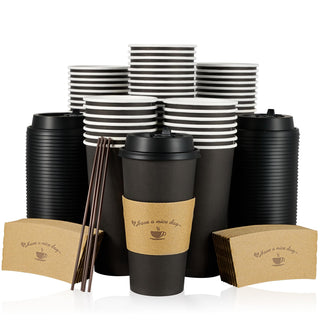
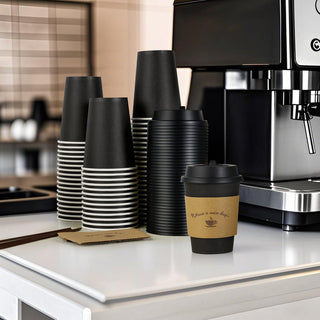
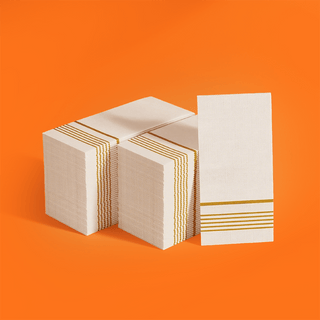
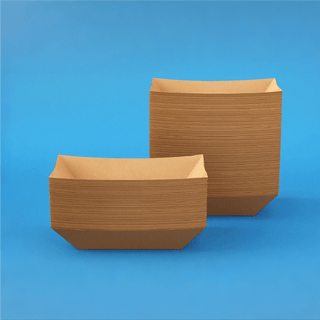
Bulk kraft paper cup sleeves
Use as the sleeve candidate in a fit test with your exact cup and lid.

Black coffee cup sets
Multiple HWC sizes support a controlled comparison across service volumes.

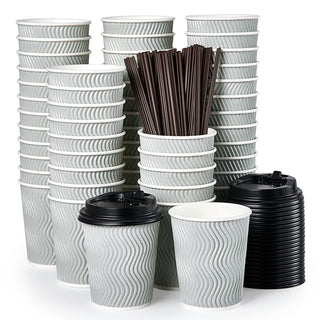
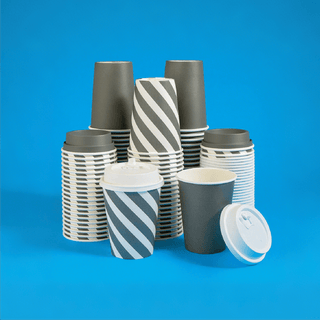
Gray ripple-wall cup sets
Compare the textured wall with a separate-sleeve setup before standardizing.
Before ordering, confirm current pack configuration, dimensions, availability, and intended use on each product page. For delivery planning, review Jolly Chef shipping information.
Frequently asked questions
Do coffee cup sleeves fit every cup?
No. Fit varies with outside diameter, taper, height, wall construction, and sleeve shape. Test the exact components together.
Can one sleeve fit 12 oz and 16 oz cups?
Sometimes, but only a physical fit test can confirm it. Capacity alone is not enough to prove compatibility.
Where should a cup sleeve sit?
It should rest around the natural middle grip zone while staying clear of the lid connection and cup base.
Does a sleeve make any cup safe for very hot drinks?
No. A sleeve does not override the cup or equipment manufacturer’s instructions and does not eliminate spill or scald risk.
Should ripple-wall cups use a sleeve?
Decide by testing the actual cup under the intended service procedure. A textured wall changes the grip and may change sleeve fit.
When should a café repeat the fit test?
Repeat it whenever the cup, lid, sleeve, supplier, or pack specification changes—and document the approved combination.
Data and assumptions: Search-demand statements in the publication report use JC’s own GSC data. Google Trends values are relative 0–100 indices, not search volume. Product availability was checked immediately before publication and may change. This article provides an operational selection workflow, not laboratory insulation testing or medical advice.