


Are Compostable Plates Sturdy? The Ultimate Guide to Sustainable Disposable Tableware for Modern Events
In the past, choosing between "eco-friendly" and "durable" felt like a compromise. You either opted for flimsy paper plates that wilted under the weight of a slice of pizza, or you chose heavy-duty plastics that took centuries to decompose in a landfill.
But as the global shift toward sustainability accelerates, catering technology has evolved. Today’s premium compostable and biodegradable plates offer a perfect balance: the structural strength of heavy-duty materials with the conscience of a zero-waste lifestyle.

1. The Environmental Impact: Why Make the Switch?
Every year, billions of single-use plastic plates are discarded, contributing to a global waste crisis. Plastic items can take upwards of 400 years to break down, often fragmenting into microplastics that infiltrate our food chain.
For modern businesses, the transition to sustainable tableware is no longer just a "green" initiative—it is a core component of ESG (Environmental, Social, and Governance) goals. By choosing compostable alternatives, companies demonstrate a tangible commitment to the planet. This switch resonates deeply with employees and clients alike, signaling that the organization values long-term responsibility over short-term convenience.
2. Decoding the Terminology: Compostable vs. Biodegradable
The terms "compostable" and "biodegradable" are often used interchangeably, but there is a crucial distinction.
- Biodegradable: This implies that a material can be broken down by biological microorganisms. However, there is often no specified timeframe or condition.
- Compostable: This is the gold standard. A compostable item is designed to break down into nutrient-rich soil (humus) within a specific timeframe under composting conditions.
Most high-end eco-friendly plates are made from Bagasse—the fibrous pulp leftover after sugarcane stalks are crushed to extract juice. Because bagasse is a byproduct of the sugar industry, it is a quintessential example of "upcycling." Instead of burning this waste, it is repurposed into durable, functional tableware.

3. Myth vs. Reality: Addressing the "Soggy Plate" Syndrome
The biggest myth about compostable plates is that they will disintegrate the moment they touch sauce or gravy. That was true a decade ago, but technology has changed. Modern manufacturing processes now press sugarcane fibers at high temperatures to create a rigid, cut-resistant surface that stands up to the rigors of any meal.
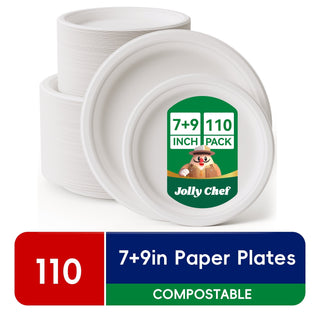
| Feature | Standard Paper Plates | Plastic Plates | Jolly Chef Compostable (Bagasse) |
| Durability | Poor (sogs easily) | High | High (Heavy-duty) |
| Leak Resistance | Very Low | High | High (Grease-resistant) |
| Microwave Safe | No | No | Yes |
| End of Life | Recyclable (if clean) | Landfill | Compostable |
- Engineering the Strength: Unlike cheap paper plates that rely on a thin plastic (PE) coating to provide a moisture barrier—which ironically makes them impossible to recycle—compostable plates use natural fiber density to repel moisture. This allows them to maintain structural integrity even when loaded with hot, heavy foods.
4. How to Evaluate Quality Before You Buy
Not all "eco-friendly" labels are created equal. When purchasing for your home or business, look for these indicators of quality to ensure you aren't paying for "greenwashing":
- Certification: Look for BPI (Biodegradable Products Institute) certification. This confirms the product meets the ASTM D6400 standard for industrial compostability.
- Weight Density: Feel the plate. A higher weight (measured in grams per plate) usually indicates a higher density of fibers, which equates to better rigidity and heat resistance.
- The "One-Hand" Test: A key metric for party planners: can the guest hold the plate with one hand while holding a drink in the other? If the plate bends under its own weight, it fails the durability test.

5. Strategic Applications: When to Choose Compostable?
- Outdoor BBQ & Catering: Bagasse is the champion of holding heavy steaks, ribs, and saucy sides. It holds the weight without buckling.
- Office Networking Events: An elegant, sturdy plate improves the professional aesthetic of a corporate mixer. Using premium-looking natural fibers shows that your event is high-quality and ethically conscious.
- Family Gatherings: Safety is paramount. High-quality compostable plates are free from synthetic dyes, bleaches, and chemical liners often found in cheap, bright-colored disposable options.
6. Case Study: The "Cleanup Revolution."
Consider a local marketing agency that recently transitioned to compostable tableware for their weekly team luncheons. By switching to high-quality bagasse plates, they discovered two immediate benefits:
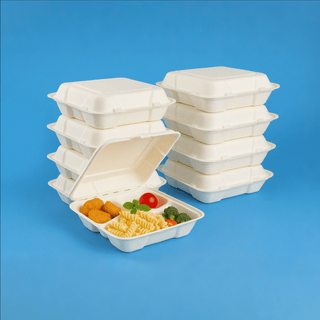
- Efficiency: The plates held up perfectly for their buffet-style lunch, including heavy pasta dishes.
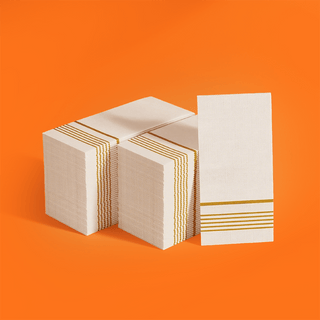
- Morale: Staff members expressed higher satisfaction with the company culture, noting that the move away from single-use plastics made the team feel more aligned with modern environmental values. The cleanup process was streamlined, as the entire set of plates and napkins could go directly into the office compost bin.

7. How to Dispose of Them Correctly
It is important to remember that for these products to fulfill their potential, they need the right environment.
- Industrial Composting: This is the ideal route. These facilities generate the specific heat and humidity required to break down natural fibers rapidly.
- Home Composting: While bagasse plates can break down in home compost systems, they may take longer due to fluctuating temperatures.
- The "Zero-Waste" Mindset: Even if you lack access to a professional composting service, choosing these plates is still a win over plastic. They are made from renewable resources, meaning they have a significantly smaller carbon footprint from the moment they are manufactured.

Frequently Asked Questions about Bagasse Compostable Plates
Can I use these for hot soups?
Yes. Unlike standard paper, bagasse can handle hot liquids for an extended period without leaking. However, for long-term storage of liquids, a bowl is always recommended.
Are they cheaper than plastic in the long run?
When you factor in the cost of professional cleanup, rental fees for glass, or the environmental cost of plastic waste, compostable plates offer a superior value-to-sustainability ratio for corporate events.
Do they change the taste of food?
No. Premium bagasse plates are scent-neutral and taste-neutral, ensuring your catering remains the star of the show.
What are the healthiest paper plates to use?
Unbleached, BPI-certified bagasse plates are among the healthiest choices. They are free from plastic coatings, harmful chemicals, and bleaching agents commonly found in conventional paper plates.
Do compostable plates break down in landfills?
Not effectively. Compostable plates are designed to break down in industrial composting facilities. In landfills, they decompose much more slowly due to the lack of oxygen and proper conditions.
Do compostable plates contain microplastics?
High-quality bagasse compostable plates do not. They are made from natural plant fibers and break down into organic matter without releasing microplastics.