



Food Truck Essentials: A Startup Supply Guide
Getting a food truck running takes more than just a vehicle and recipes. You need the right food truck supplies, smart sourcing through catering supplies wholesale channels, and essential concession stand supplies. This guide breaks down what you actually need to start serving customers.
What Core Food Truck Supplies Do You Need to Start?
Every food truck runs on four categories of equipment, and missing any of them means you can't legally or practically operate.
Cooking Equipment Category
- Your cooking setup depends entirely on what you're selling. A taco truck needs a flat-top griddle and fryer, while a coffee truck requires espresso machines and grinders.
- Many food trucks operate on propane because it's portable, affordable, and generates high heat fast. You’ll want a backup heat option when one fails during rush hour. Commercial-grade equipment handles the daily beating that home appliances can't survive, making it essential for consistent service quality.
- Ventilation matters more than most beginners realize. Health departments often require proper hood systems with fire suppression built in for grease-producing cooking or open-flame setups. These systems are typically non-negotiable in those cases—you can't operate legally without them. Make sure your hood has adequate CFM ratings based on your equipment and local code, or inspectors may reject it and leave you stuck with a smoke-filled truck that drives customers away.
Food Storage Category
Refrigeration failures kill food trucks faster than bad locations. You need commercial refrigerators and freezers that can handle constant door opening, temperature fluctuations, and bumpy roads between events.
Under-counter units save space in smaller trucks, while walk-in coolers work better for high-volume operations with more floor space available.
Dry storage requires organization systems that prevent cross-contamination and keep ingredients accessible during service.
- Stainless steel shelving units withstand cleaning chemicals and moisture better than wire racks.
- Food-grade plastic containers with tight-fitting lids protect against pests and spills when driving to locations.
Label everything clearly with contents and dates to maintain food safety standards.

Customer Service Category
Point-of-sale systems designed for food trucks handle payments, track inventory, and generate reports showing which menu items actually make money. Modern systems combine hardware with monthly software subscriptions. Skip the fancy features you won't use and focus on reliable card readers that work without internet connections, since many event locations have spotty service.
Serving windows need sneeze guards, transaction shelves, and menu boards visible from a typical line distance, such as several yards away. Customers won't wait if they can't read prices or understand what you're selling. Weather-resistant menu boards prevent daily reprinting and hold up through rain and sun exposure.
Cleaning and Sanitation Category
- Health codes mandate three-compartment sinks for washing, rinsing, and sanitizing dishes. These units take up serious space but can't be substituted with residential sinks—inspectors check this immediately.
- You'll also need separate handwashing stations with soap dispensers, paper towels, and hot water, which are required by law in every food service operation.
- Sanitizing chemicals, thermometers, and cleaning supplies are ongoing necessities. Buy concentrated solutions from restaurant suppliers instead of retail stores—they last longer and work more effectively.
- Keep multiple thermometers on hand since they're critical for food safety compliance.
How Do You Choose the Right Food Truck Supplies Based on Your Menu?
Your menu dictates everything you buy. A beverage truck has completely different needs than a barbecue operation, and mixing up your supply list wastes money and space.
Coffee and Beverage Truck
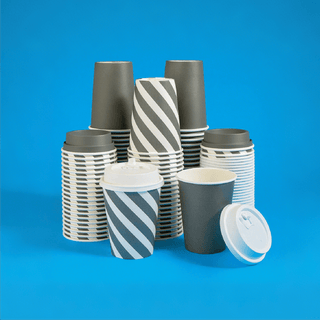
- Beverage-focused trucks need a full range of hot cups from 8oz to 20oz, plus coffee cups with lids that actually prevent spills. You'll go through hundreds of disposable coffee cups daily, so buying catering supplies wholesale makes sense.
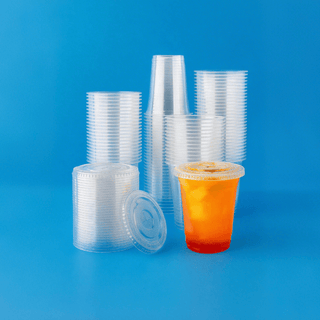
- Stock clear plastic cups with lids for iced drinks in 12-24oz sizes, along with matching straws and stirrers.
- Don't forget cup sleeves for hot drinks and condiment stations with individual sugar packets and creamers.
Quick Service and Sandwich Truck
Fast-casual operations burn through burger boxes, sandwich wraps, and fry containers at high volume.
- You need grease-resistant packaging, small plastic cups with lids for sauces, and plenty of napkins—fast food means messy hands.
- Keep both cold cups for sodas and hot cups for coffee available.
- Heavy-duty takeout bags help customers carry multiple to-go containers without disasters.
BBQ and Grilled Food Truck
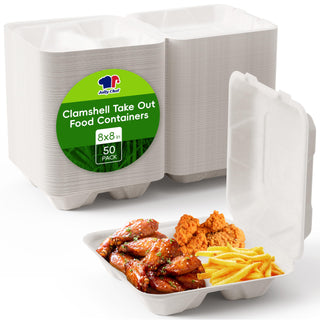
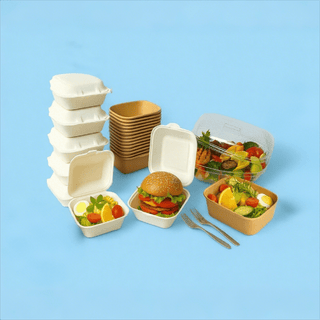
High-heat cooking requires heavy-duty disposable food containers that can handle hot, greasy food.
- Aluminum foil containers work great because they're heat-resistant and keep food warm.
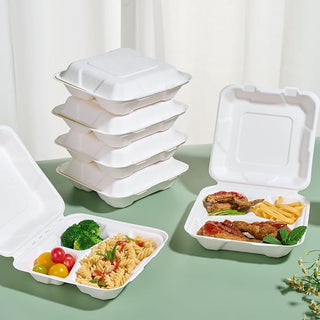
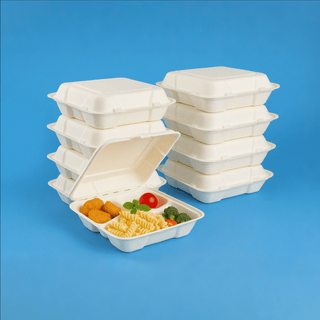
- Look for compartmentalized to-go containers that separate sides from main dishes.
- Stock 2-4oz sauce cups with tight lids for BBQ sauce, and buy wet wipes in bulk—your customers will need them. Thicker napkins handle messy ribs better than standard ones.
Dessert and Specialty Food Truck
Specialty trucks need unique packaging that shows off their products.
Clear containers display cupcakes and pastries beautifully.
Ice cream operations need various-sized bowls, while soup vendors require reliable soup containers with lids that don't leak.
Sealed bags work well for baked goods, and branded packaging elevates your product presentation.
Temperature control matters more for desserts, so invest in quality refrigerated display cases.

Where Can You Source Catering Supplies Wholesale?
Smart sourcing through catering supplies wholesale channels makes your startup budget stretch further and establishes reliable supply chains.
Restaurant Supply Distributors
Regional distributors carry everything from cookware to chemicals under one roof. These companies sell primarily to commercial operations and offer delivery on large orders, saving you multiple trips. Minimum purchases typically apply, but volume discounts make bulk buying worthwhile.
Online Wholesale Platforms
Internet-based suppliers ship nationwide and compete aggressively on price. Compare carefully because shipping costs sometimes eliminate savings on heavy items like refrigerators and cooking equipment. Many platforms require business licenses or tax ID numbers for account approval, keeping prices lower by excluding retail customers. Order early since delivery times can stretch to several business days, and in some cases up to a couple of weeks, and damaged shipments take time to resolve.
Local Cash-and-Carry Outlets
Walk-in warehouse stores let you inspect items before buying and take them home immediately. This works great for testing new products or grabbing last-minute supplies before events. Selection runs narrower than full-line distributors, but you avoid shipping charges and see actual product quality firsthand. Some locations offer membership programs with additional perks for regular customers.
Direct Manufacturer Purchases
Buying straight from manufacturers works for large orders where volume justifies their minimum quantities. This approach makes sense for disposables you use constantly—napkins, cups, to-go containers—where consistent reordering keeps operations predictable. Manufacturers typically ship pallets, so you need adequate storage space and the ability to manage larger inventories.
How Do You Choose Budget-Friendly Concession Stand Supplies?
Smart decisions about concession stand supplies protect margins without sacrificing quality or safety.
Disposable Items Strategy
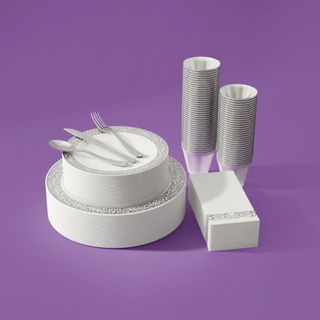
- To-go containers, disposable food containers, to-go containers, soup containers with lids, napkins, and utensils represent ongoing costs that add up fast. The same is true for beverage basics like disposable coffee cups, hot cups, cold cups, and plastic cups with lids—generic options from wholesale suppliers meet food safety standards while costing significantly less than retail alternatives.
- Calculate your monthly volume and buy accordingly—purchasing several months' worth at once unlocks bulk discounts, especially on high-turn items like coffee cups with lids, cold cups, and to-go containers.
- Avoid custom printing on disposables until your brand establishes itself, since flexibility to change designs saves money during early menu adjustments (this applies to disposable coffee cups just as much as it does to packaging).
Reusable Investment Decisions
Permanent items like cookware, serving utensils, and prep tools justify higher-quality purchases. Cheap spatulas melt, flimsy pans warp, and poorly made knives require constant replacement.
Invest in commercial-grade tools that handle professional use—they last significantly longer and perform better under demanding conditions. Stainless steel beats plastic for durability and sanitation, even though initial purchases cost more.
Bulk Buying Savings
Grouping orders to hit wholesale minimums reduces per-unit costs significantly.
- Team up with other food truck operators to split large orders of commonly used items like gloves and cleaning supplies, plus fast-moving service items like hot cups, cold cups, and plastic cups with lids.
- Timing purchases around supplier promotions can save substantially.
- Most distributors run periodic sales to clear seasonal inventory, offering deep discounts on overstock items—including coffee cups with lids and soup containers with lids.
FAQs About Food Truck Equipment and Supply Management
Q1. Do Food Truck Supplies Need Special Certifications or Ratings for Mobile Use?
Most equipment doesn't need special mobile certifications, but it must meet NSF or UL commercial standards that health departments recognize. The real difference comes in installation—equipment needs proper securing to prevent shifting during transport, which can damage gas lines or electrical connections. Refrigeration units designed for trucks handle vibration better than stationary models, though standard commercial units work if properly mounted. Your propane system requires DOT-approved tanks and regulators regardless of equipment choice. Some jurisdictions demand additional inspections for mobile operations, so check local codes before purchasing. Insurance companies sometimes require specific equipment ratings, too, affecting coverage eligibility.
Q2. How Do Seasonal Food Trucks Handle Supply Storage During Off-Season?
Climate-controlled storage units work best for protecting equipment during winter shutdowns in cold regions. Clean everything thoroughly before storage to prevent pest infestations and mold growth. Drain all water lines and tanks completely since freezing will crack pipes and pumps. Remove propane tanks for separate storage following local fire codes. Many operators negotiate extended-term contracts with storage facilities. Some keep refrigeration units plugged in at storage locations to prevent compressor seals from drying out, though this requires available electrical access. Equipment covers protect against dust and moisture. Spring startup requires full system checks, fresh propane lines, and health inspections before reopening.
Q3. Can You Share Commissary Kitchen Supplies With Your Food Truck to Reduce Costs?
Sharing makes sense for certain items, but gets complicated legally. Most health departments require food trucks to use licensed commissary kitchens for prep work and storage. You can often share large equipment like mixers, slicers, and prep tables at the commissary, reducing your truck equipment needs. However, everything touching food in your truck must belong to your operation for traceability during health issues. Shared smallwares create cross-contamination risks that inspectors flag. Storage containers, cutting boards, and utensils should remain separate. Cleaning supplies and disposables can be shared if purchased jointly, but maintain clear inventory tracking for accountability.
Ready to Launch Your Food Truck Business?
Start with essential food truck supplies, find reliable catering supplies wholesale sources, and stock concession stand supplies strategically. Build your equipment list today and start contacting suppliers to get your mobile business rolling.