





Menu Solutions for Any Crowd
Crafting a menu that delights every guest is a strategic endeavor, not guesswork. It involves satisfying a wide range of tastes, budgets, and dietary requirements with a single, profitable offering. The key to this is Creating a Balanced Menu: How to Cater to Different Customer Preferences. This effective menu planning process transforms your offerings into a powerful tool for success and guaranteed guest satisfaction. This strategic approach ensures every detail, from the food itself to its presentation on high-quality plastic dinnerware sets, contributes to an exceptional dining experience and makes your menu the ultimate solution.
Key Takeaways
Understand your customers and brand first. This helps you create a menu that fits their needs and your restaurant's style.
Build a balanced menu. Offer a mix of popular dishes and new items. Include options for different diets and budgets.
Design your menu smartly. Use layouts and descriptions that guide customers to profitable dishes. Make prices easy to read.
Use versatile ingredients. This helps you save money and reduce waste. It also makes your menu more flexible.
Always improve your menu. Get feedback from customers. Check sales data. Update your menu often with new items.
Foundation: Know Your Customer and Brand
Effective menu planning begins long before you choose your dishes. It starts with a deep understanding of your customers and your brand. This foundational knowledge guides every decision, ensuring your menu resonates with your target audience and strengthens your restaurant's identity. A well-researched menu creates a better dining experience for everyone.
Identify Target Customer Segments
First, you must know who you are serving. Your customers might include several groups.
Families with children
Business professionals
Solo diners
Health-conscious individuals
Solo dining, for instance, is a growing trend. Making these individuals feel welcome is crucial. You can identify your specific segments through various research methods. Use your Point of Sale (POS) system to track guest spending and visit frequency. You can also create online surveys or conduct brief customer interviews to gather direct feedback. Analyzing your social media followers provides valuable data on your audience's age, location, and interests. This information is key to successful menu planning.
Strategic Menu Planning for Your Brand
Your menu is a direct reflection of your brand. Strategic menu planning ensures your offerings align with your restaurant's identity. A casual BBQ joint, for example, might use a rustic design with earthy colors and feature "build-your-own" combos. In contrast, an upscale steakhouse menu should have an elegant, minimalist design that highlights premium cuts and wine pairings. This alignment creates a cohesive dining experience. Your menu planning should tell your brand's story, making the menu more than just a list of food. This thoughtful approach to menu planning enhances the overall dining atmosphere.
How to Cater to Different Customer Preferences
A great menu offers something for everyone. This means addressing diverse dietary needs and budgets. Common customer preferences include gluten-free and vegetarian options. You can add plant-based proteins like tofu and quinoa or use gluten-free alternatives like rice and corn. This makes your menu more inclusive.
To appeal to different budgets, use smart pricing strategies.
Pro Tip: Bundle pricing, which groups items into a meal deal, offers perceived value. Dynamic pricing allows you to offer lunch specials or happy hour discounts to attract budget-conscious diners.
This level of menu planning caters to a wider range of customer preferences. Thoughtful menu planning ensures every guest enjoys their dining experience, making your menu a powerful tool for satisfaction.
Creating a Balanced Menu
After understanding your customers, the next step is creating a balanced menu: how to cater to different customer preferences. A great menu offers a thoughtful mix of familiar favorites and exciting new dishes. This balance ensures every guest finds something to love. Your goal is to build a menu that is both profitable and popular. This requires careful menu planning to create a memorable dining experience for everyone.
Structure Core Categories with Broad Appeal
A clear menu structure helps customers navigate their options easily. You should organize your menu into logical sections that guide the dining journey. This menu structure is the backbone of your offerings.
Appetizers: Start with small dishes like soups, salads, or finger foods.
Main Courses: Feature your primary dishes with meat, seafood, or vegetarian proteins.
Sides: Offer items like vegetables and potatoes that let guests customize their meal.
Desserts: Provide sweet treats to complete the dining experience.
Beverages: Include a range of soft drinks, coffee, tea, and alcoholic options.
Specials: Add limited-time dishes to keep your menu fresh and exciting.
Within these categories, you need to find the right balance between comfort and adventure. Many customers seek familiar dishes, but others want to try something new. You can appeal to both by adding a creative twist to classic recipes. For example, you could offer a traditional pot roast alongside an Asian-inspired version. Or, you might add ground lamb to a classic lasagna for a richer, more rustic flavor. This approach to menu planning makes your menu interesting without alienating loyal customers.
Incorporate 'Build-Your-Own' Options
Giving customers control is a powerful way of creating a balanced menu: how to cater to different customer preferences. Build-your-own options let diners create a meal that perfectly suits their tastes and dietary needs. This concept works well for many types of food, including burgers, salads, and bowls. Restaurants like BD's Mongolian Grill have built successful businesses around this model, where customers assemble their own ingredients.
This level of customization is a key part of modern dining. It empowers guests with allergies or specific preferences to build a safe and enjoyable meal. To elevate this dining experience, consider how you present these custom meals.
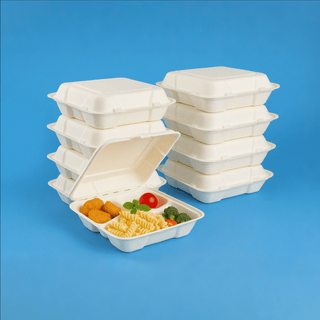
Pro Tip: Use specialized tableware to enhance your build-your-own offerings. For customizable bowls or compartmentalized meals, a product like the Jolly Chef 5-Compartment Tray keeps ingredients separate and fresh. This organized presentation directly caters to customer desires for a neat, personalized dining experience.
This thoughtful approach to menu planning shows you care about individual needs. It is a simple yet effective strategy for creating a balanced menu: how to cater to different customer preferences.
Use Versatile Ingredients Across the Menu
Smart menu planning involves more than just the final dishes. It also includes strategic ingredient selection. Using versatile ingredients across multiple menu items is a smart business practice. This technique, known as cross-utilization, helps you reduce waste and control costs. A well-designed menu makes the most of every ingredient in your kitchen.
For example, you can use certain ingredients in many different ways.
Potatoes: Use them for breakfast hash, savory frittatas, or creamy side dishes.
Chicken: Offer roasted chicken for a main course, pull the meat for sandwiches, and use the bones for a flavorful broth.
Tomatoes: Add diced tomatoes to omelets, blend them into soups, or use them to create fresh salsa.
This strategy simplifies your inventory management. Buying fewer ingredients in larger quantities can lead to better pricing from suppliers. It also reduces the risk of food spoilage, which directly impacts your bottom line. This efficient approach to menu planning is essential for creating a balanced menu: how to cater to different customer preferences while maintaining profitability. The right balance in your menu and your pantry leads to a healthier business. Ultimately, creating a balanced menu: how to cater to different customer preferences is about smart choices that benefit both your guests and your operations.
Optimization: Menu Design and Engineering
A great menu does more than list food. It acts as a silent salesperson. Menu design and engineering use psychology to guide customer choices. This process helps you sell more of your most profitable items. A smart menu design improves the customer's dining experience and boosts your revenue. Your menu presentation is a powerful tool for your business.
Use Strategic Menu Layouts
You can strategically design your menu to draw attention to specific items. Customer eyes follow a predictable path when they read a menu. This path is often called the "Golden Triangle." People typically look at the middle of the page first. Then, their eyes move to the top right corner. Finally, they look at the top left corner.
You should place your most profitable dishes in these key spots. This simple menu design trick makes it more likely that customers will see and order them.
You can also use visual cues to highlight items.
Boxes and Borders: Placing a box around a high-profit dish makes it stand out. A simple border can draw the eye directly to your signature steak or pasta.
Icons and Colors: Use a small icon, like a star or a chef's hat, to mark a recommended item. A splash of color can also make an item pop off the page.
Another powerful menu design strategy involves how you display prices. Research shows customers spend more when menus list prices without dollar signs. The "$" symbol reminds people they are spending money. This can cause a negative feeling called the "pain of paying." Simply listing a price as "14" instead of "$14.00" removes this trigger. This subtle change in your menu presentation can make customers feel more relaxed about their dining choices and spending. This is a key part of effective menu design.
Write Clear and Appealing Descriptions
Your menu descriptions bring your dishes to life. They should make customers feel hungry and excited. Good menu presentation involves more than just layout; it includes the words you choose. Avoid boring descriptions. Instead, use words that engage the senses.
Pro Tip: Use powerful adjectives to describe your food. Words like "crispy," "succulent," "velvety," and "zesty" help customers imagine the taste and texture of a dish. This makes the dining experience more vivid before the food even arrives.
Your descriptions should be short and impactful. Focus on the key ingredients and cooking methods. For example, instead of "Chicken," you could write "Char-grilled chicken marinated in fresh herbs." This paints a picture of care and quality. This level of detail enhances your menu presentation.
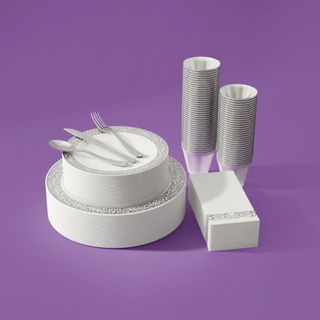
For catering or special events, your menu descriptions can also highlight the quality of the service. The overall menu presentation is crucial for clients planning upscale events. Mentioning that meals are served on "elegant, gold-rimmed dinnerware" elevates the perceived value. This detail assures customers they are getting a premium dining experience, making your menu a more attractive option for their important occasions. This thoughtful menu design shows attention to every aspect of the dining journey.
Highlight Key Item Attributes
A well-organized menu helps all guests find what they need quickly. This is especially important for diners with specific dietary preferences. Highlighting key attributes is a critical part of inclusive menu design and menu presentation. You can use simple icons to communicate important information at a glance.
Consider adding a small legend on your menu to explain symbols for:
🌶️ Spicy
🌿 Vegetarian or Vegan
🌾 Gluten-Free
⭐ House Special
🆕 New Item
This system makes the dining process easier and safer for guests with allergies or dietary restrictions. It shows you care about their needs and improves their overall dining experience. This clear menu presentation builds trust and encourages repeat business. Thoughtful menu design makes your restaurant welcoming to everyone. This approach to your menu helps every guest enjoy their dining with confidence.
Evolution: Testing, Feedback, and Refinement
A successful menu is not static; it evolves. Your menu planning process must include a cycle of testing, gathering feedback, and making smart refinements. This ongoing evolution ensures your menu continues to meet customer needs and drive profitability. You can turn your menu into a dynamic tool for growth.
Implement a Customer Feedback Loop
You need to listen to your guests to understand what they truly want. Creating a customer feedback loop is a vital part of your menu planning. While comment cards are an option, modern tools offer better solutions.
Place QR codes on tables or receipts for instant feedback.
Customers can privately share thoughts on their phones.
This method provides honest, in-the-moment responses.
This feedback is invaluable. It might reveal a high demand for more vegetarian options or specific allergy-friendly dishes. Acting on this information shows customers you care and helps you refine your menu to serve a wider audience.
Analyze Menu Sales Data
Your Point of Sale (POS) system is a goldmine of information. Use it to conduct a regular menu analysis. Your POS data shows you which items are popular and which are profitable. This menu analysis is a core part of strategic menu planning.
Pro Tip: Categorize your menu items to understand their performance. This is a key menu planning technique.
Stars: High popularity and high profit. Promote these items.
Puzzles: High profit but low popularity. Find ways to sell more.
Plowhorses: High popularity but low profit. Try to increase their margin.
Dogs: Low popularity and low profit. Consider removing them from the menu.
This data helps you make informed decisions about your menu.
Plan for Regular and Seasonal Updates
Your menu should feel fresh and current. Regular updates keep customers excited and engaged. This menu planning strategy helps you adapt to changing tastes and menu trends. Following menu trends shows your restaurant is innovative.
Updating your menu quarterly allows you to use seasonal ingredients at their peak. You can introduce limited-time offers (LTOs), like a pumpkin-spice drink in the fall or a strawberry salad in the spring. These specials create urgency and can attract new visitors. Staying on top of menu trends is essential for a competitive menu.
You now have the tools to build a successful menu. A great menu begins with knowing your customers. You build this menu with versatile items. You optimize the menu through smart design. Continuous refinement keeps your menu effective. This strategic menu ensures guest satisfaction. Your menu is your most powerful tool for driving both satisfaction and profit. A well-planned menu directly improves your bottom line and boosts customer satisfaction.
Start today. Apply these strategies to your menu. Transform your menu into a true solution that guarantees satisfaction for any crowd.
FAQ
How often should you update your menu?
You should review your menu quarterly. This schedule allows you to add seasonal ingredients. It also helps you remove unpopular items. A fresh menu keeps regular customers interested and attracts new ones. This makes your menu a powerful tool.
What is the best way to handle dietary requests?
You can add clear icons to your menu for common dietary needs. Use symbols for vegetarian, gluten-free, or spicy dishes. This simple menu change helps guests make safe choices. It shows you care about every customer's dining experience.
How can you make a menu profitable and popular?
You should analyze your sales data. Identify your "Star" items (popular and profitable) and promote them. For popular but less profitable items, try to reduce food costs. This analysis helps you build a smarter, more successful menu.