
The Psychology of the Cup: How PET, PP, and PLA Impact Customer Experience
Cup material directly shapes how customers experience your drinks and your brand. PET offers superior clarity that raises quality expectations for cold beverages. PP provides the heat resistance that many operations need. PLA delivers a sustainability signal when conditions align with its limits. The best selection depends on your primary service temperature, visual priorities, and local infrastructure.
Temperature usually serves as the first filter. Many operators discover that visual appeal matters most at the point of sale while heat tolerance prevents failures during service or delivery. Sustainability claims add another layer but require careful matching to avoid disappointment.
Visual Impact of Material Clarity on Customer Quality Expectations
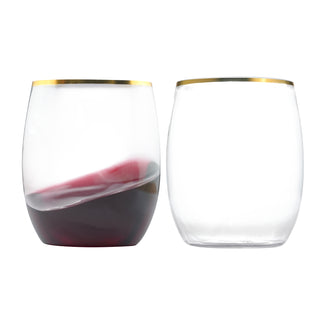
Material clarity sets the first impression before customers even taste the beverage. Transparency often signals freshness and care in preparation. Customers tend to associate crystal clear cups with higher ingredient quality.
Clarity Levels Across Materials
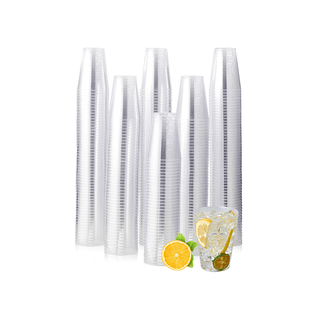
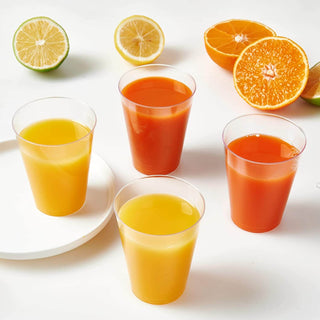
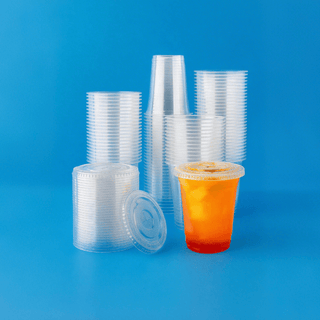
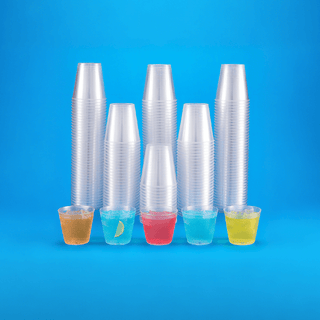
PET stands out with its glass-like transparency. This property makes layered drinks and vibrant colors pop. Many cafe owners report stronger social media engagement when they use highly transparent cups for signature items.
PLA follows closely in optical performance for cold applications. The material maintains excellent see-through qualities while adding a subtle environmental cue. PP appears slightly more translucent in comparison. This difference can reduce the wow factor for visually focused drinks.
Evidence suggests that crystal clear packaging raises expectations for product quality and liking compared to opaque alternatives. Visible beverage layers, therefore, function as silent marketing for iced coffees and specialty items.
Clear containers also support Instagram-worthy presentations. Operators who prioritize visual content often select materials that enhance color accuracy and light transmission. This approach works particularly well in retail cafes and dessert bars where drinks sit on display.
Practical Checks for Visual Priority
Consider your menu first. Drinks with distinct layers or bright colors benefit most from high-clarity materials. Simple black coffee may not justify the premium. Test a small batch to see how your specific recipes photograph and present in person. Many buyers also explore the full Plastic Cups range to match clarity needs with volume requirements.
Tactile Feedback and the Role of Material Rigidity in Perceived Value
The physical feel of a cup influences how customers rate the entire drink. Stiffer walls communicate durability and attention to detail. Customers often translate this sensory cue into higher perceived value.
Weight and Stiffness Effects
Heavier and more rigid cups tend to elevate flavor expectations. Customers report stronger taste intensity and show greater willingness to pay in some tests. PET typically delivers a firm, premium hand feel that aligns with high-end positioning.
PP offers solid structural performance yet feels less rigid than PET in many cases. This difference can subtly lower the luxury signal even though the cup performs reliably. PLA sits between the two for cold drinks, but may soften under heat and change the experience.
Packaging weight influences flavor evaluations and willingness to pay according to available data. The haptic feedback of the cup also affects perceived texture of the beverage itself.
Smooth finishes enhance the overall sensory moment. Flimsy cups increase spill risk and create negative impressions. Operators who focus on premium positioning, therefore, weigh rigidity heavily in material decisions.
Operational Handling Considerations
Staff and customers interact with cups repeatedly throughout the day. Rigid materials resist crushing during transport and feel more secure in hand. This stability reduces complaints and improves the brand experience in busy environments.
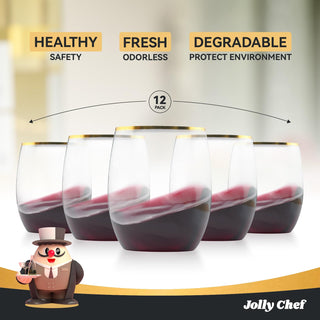
Explore ways to Upgrade Your Brand with Jolly Chef's Disposable Plastic Cups and Lids or review Custom Drinkware options that maintain strong tactile qualities.
Thermal Thresholds and the Operational Risk of Material Failure
Heat exposure creates the most common point of failure for disposable cups. Different materials respond differently to temperature, and the consequences appear quickly in real service.
Temperature Tolerance Ranges
PP maintains structural integrity at higher temperatures than the alternatives. The material handles hot beverages and brief microwave use in many applications. PET and PLA perform best with cold drinks only.
PET typically softens above 140°F while PLA begins to deform around 110°F. These limits become critical during delivery in warm vehicles or when cups sit in hot holding areas. Deformation leads to leaks, lid failures, and customer dissatisfaction.
The table below summarizes typical performance boundaries. Always verify exact specifications with your supplier because dwell time and cup design influence real-world results.
| Material | Cold Service | Delivery Transport | Hot Service (brief) |
| PP | Excellent | Excellent | Good |
| PET | Excellent | Moderate | Poor |
| PLA | Good | Poor | Not recommended |
Matching material heat tolerance to your service environment prevents costly errors. Thermal failure creates safety concerns and damages brand trust.

Common Failure Scenarios
Delivery bags often trap heat and push temperatures beyond safe limits for PET and PLA. Event venues with outdoor summer service face similar risks. Ghost kitchens that pack hot and cold items together should evaluate insulation practices carefully.
Do not use PET for hot coffee or hot-fill liquids. The premium appearance cannot compensate for heat sensitivity. Avoid PLA in hot cars or enclosed transport because softening undermines both function and sustainability claims. Skip PP when showcase clarity drives your main value proposition.
Heat Fit by Material and Service Scenario
A practical guide to which packaging material stays within range under common temperature conditions. PP offers the widest heat margin, PET sits in the middle, and PLA is best reserved for cooler use.

Environmental Signaling and the Shift Toward Sustainable Luxury
Customers increasingly notice environmental cues on packaging. Materials that communicate care for the planet can strengthen brand loyalty in certain segments. The signal works best when claims match real-world performance.
Compostability and Certification Realities
PLA can signal sustainability effectively for targeted audiences. Certified compostable plastics must meet specific standards that require industrial facilities. Many locations still lack consistent access to these conditions.
Recyclable PET offers versatility for high-volume operations that already participate in existing recycling streams. PP also recycles well in many programs. Transparent communication about actual end-of-life options protects brands from criticism.
Certified compostable plastics must meet ASTM D6400 standards, which require 90 percent biodegradation within 180 days in industrial composting facilities. Environmental marketing claims need competent and reliable scientific evidence to avoid deception.
Balancing Signal With Performance
Event planners often select PLA when the audience values visible sustainability efforts. High-end activations benefit from this positioning when proper disposal infrastructure exists nearby. Everyday operations may find that recyclable PET or PP delivers more reliable results across varying conditions.
Review your local waste systems before making broad claims. Many buyers pair different materials across their menu to optimize both perception and function. This approach reduces risk while still allowing targeted environmental messaging.
Operators can browse 12oz/16oz Bulk Beer Cups or the wider Drinking Cups collection to match sustainability goals with practical needs.
Practical Framework for Strategic Beverage Container Selection
Business model and service conditions determine which material delivers the strongest return. Temperature requirements usually take priority, followed by visual and sustainability priorities.
Scenario-Based Recommendations
Cold retail displays with high visual priority often perform best with PET. The material maximizes perceived quality and supports strong social media content. Ghost kitchens and delivery-heavy operations usually favor PP for its heat resilience and durability.
Events that target eco-conscious guests can benefit from PLA when the venue provides appropriate disposal options. The material loses impact if cups soften or fail before consumption. Many operators, therefore, maintain a mixed inventory that aligns materials with specific use cases.
Decision Checklist
The list below helps translate material science into daily decisions.
Confirm primary beverage temperature range first
Evaluate how important visual clarity is to your brand
Check local composting and recycling access
Calculate total cost, including waste, complaints, and brand impact
Test small quantities in real conditions before full commitment
This framework helps balance material price with customer experience and operational reliability. Regular review of your menu and customer feedback keeps the selection current as conditions change.
Many businesses combine insights from Smart Drinkware Bulk Buys with practical options like Bulk Plastic Cups with Lids to build an effective program.
Take Action on Your Cup Strategy
Cup material influences customer perception, operational success, and brand reputation. PET, PP, and PLA each excel under different conditions. Temperature tolerance, visual priorities, and local infrastructure determine the right mix for your business. Review your service realities, test options, and adjust as customer expectations evolve. The small decisions compound into noticeable differences in satisfaction and efficiency.
Frequently Asked Questions
Q1: Which material works best for iced drinks that customers photograph?
PET usually delivers the highest clarity and rigidity that enhance visual appeal. This choice supports stronger social media performance and higher perceived quality for layered or colorful beverages.
Q2: Can PLA cups handle warm beverages in short-term use?
PLA cups risk deformation above approximately 110°F. Many operators limit them to cold service only to avoid leaks or softening that damages customer trust.
Q3: How does cup stiffness affect repeat business?
Stiffer cups signal premium quality and reduce spill complaints. Customers often associate the solid feel with better overall beverage value and stronger brand impression.
Q4: What should event planners consider about compostable cups?
Event planners should verify local industrial composting access before relying on PLA. Claims lose credibility when proper facilities remain unavailable, and cups end up in regular waste streams.
Q5: Which material minimizes operational failures in delivery services?
PP provides the widest heat tolerance and structural resilience for delivery conditions. This option reduces deformation risks in warm vehicles compared with PET or PLA in similar scenarios.