



Commercial Microwave Safety: 3-Step Emergency Protocol for Paper Plate Fires
In a busy commercial kitchen or corporate breakroom, using microwave-safe paper plates is essential for speed. However, without proper protocols, high-volume heating can quickly turn a convenience into a crisis. This guide provides a professional emergency plan for paper plates in microwave fires to help your team handle incidents safely and prevent panic.
Key Takeaways
- Instant Containment: Never open the door; oxygen starvation is the fastest way to extinguish paper fires.
- Asset Protection: Disconnecting power prevents permanent magnetron damage and electrical arcing.
- Material Quality: Transition to high-density fibers to eliminate metallic impurities that cause ignition.
- Compliance: Aligning your SOPs with NFPA and OSHA standards protects your business from legal scrutiny.
The Hidden Cost of Microwave Fires in Commercial Settings
For a small-to-medium enterprise (SME), the "minor" incident of a charred plate carries heavy hidden costs:
- System Disruptions: If paper plates in microwave settings ignite, the smoke can trigger building-wide AEC (Addressable Emergency Communications) systems.
- Operational Loss: A full building evacuation disrupts revenue and can trigger mandatory fire department inspections.
- Capital Investment: Commercial-grade microwaves often cost five times more than domestic models; magnetron replacement can exceed $500.
- Thermal Accumulation: High-volume heating creates zones where residual heat lowers the ignition threshold of the next plate.
3-Step Emergency Response for Paper Plate Fires
If a staff member notices sparks, smoke, or visible flames, they must follow this Standard Operating Procedure (SOP) immediately to mitigate damage:
Step 1: The "Keep-Closed" Rule (Oxygen Starvation)
Step 2: Power De-escalation (Disconnecting the Energy Source)
Step 3: Post-Fire Assessment (Recovery and Evaluation)
Why Do Paper Plates Catch Fire? The Risk of Low-Grade Materials
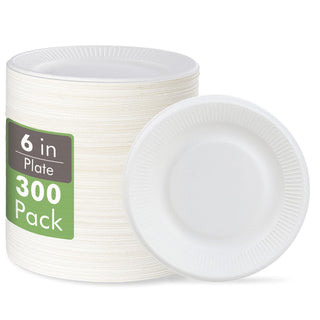
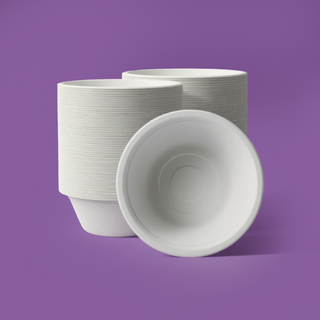
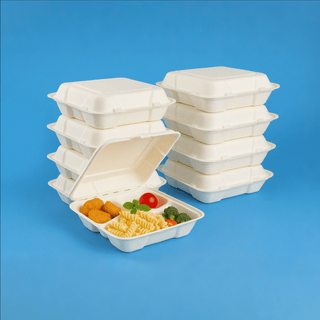
Why can paper plates catch fire in microwave ovens? Often, the culprit is material purity. Low-grade "economy" disposable plates are frequently manufactured from recycled fibers that may contain microscopic metallic contaminants or ink residues with carbon-heavy bases. Procurement managers are increasingly moving toward advanced materials like JollyChef’s heavy-duty compostable plates, engineered from sugarcane bagasse, a material naturally denser and more heat-resistant than traditional wood pulp.
| Safety Factor | Standard Paper Plates | JollyChef Bagasse Plates |
|---|---|---|
| Material Source | Recycled Blend (Risk of Metallic Trace) | 100% Virgin Sugarcane Fiber (Natural & Pure) |
| Fire Risk | High (Metallic impurities cause "Arcing") | Zero Arcing Risk (Non-conductive material) |
| Heat Tolerance | Low (Can ignite at high temps) | High (Microwavable up to 248°F/120°C) |
| Grease Resistance | Weak (Oil soaks in, creating a "fire wick") | Soak-Proof (High-density surface repels oil) |
| Structure | Flimsy (Bends under heat) | Heavy-Duty (Rigid & Stable) |

The primary advantage for businesses is the absence of metallic "hot spots"; because these plates use virgin fibers, they eliminate the risk of arcing common in recycled paper. Furthermore, the soak-proof structural integrity ensures that fats and oils don't seep into the fibers. This prevents the plate from becoming a "wick" for grease-fueled fires, making it one of the best microwave safe paper plates for business owners looking to minimize liability.
How to Recover Your Equipment and Eliminate Burnt Odors After a Fire
To recover the unit, clean the interior surfaces with a non-abrasive solution of baking soda and water. To prevent future incidents, we recommend cross-referencing our previous technical guides on identifying safe materials and standardizing commercial heating techniques. Regularly auditing your breakroom supplies and conducting semi-annual safety briefings is the most effective way to maintain a high-standard work environment.
Conclusion: Prevention is the Best ROI
In the world of catering and hospitality, prevention is always the most cost-effective strategy. By utilizing certified microwave safe paper plates and implementing a rigid emergency SOP, you protect your team and your brand reputation. Investing in high-performance tableware like the bagasse lines from JollyChef is not merely a supply choice; it is a proactive safety investment that ensures your business remains resilient against daily operational hazards.