




Packaging Legality Guide: Local Environmental Rules and What BPI Standards Mean
Food packaging rules are changing fast. More cities and states are tightening restrictions on single-use plastics and foam containers, and the consequences for non-compliance can be real. For anyone running a food business or working as a disposable tableware supplier, keeping up with local food packaging ordinances and certification standards like BPI has become a practical necessity.
How Local Food Packaging Ordinances Are Reshaping Food Service Operations
Local rules around food packaging vary significantly depending on where you operate. A restriction that applies in one city may not exist in the next county over. This patchwork of regulations makes compliance genuinely complicated, especially for businesses operating across multiple locations.
Who Sets These Rules
Regulations come from multiple levels of government. State legislatures may pass broad bans, while city councils layer on additional requirements. Ordinances vary by material, product category, or certification standard required.
What Rules Tend to Have in Common
Despite the variation, several themes come up repeatedly across jurisdictions:
- Bans on expanded polystyrene (EPS) foam for food service
- Restrictions or fees on single-use plastic bags and containers
- Requirements that compostable claims be backed by third-party certification
- Rules mandating that packaging be accepted by local composting infrastructure
The overall direction is consistent even when the details differ. Businesses are being pushed toward materials that are easier to manage at end of life.
The Single-Use Plastic Ban and Why Foam Was Targeted First
The single use plastic ban movement gained momentum around 2018 and has continued expanding since. Dozens of U.S. states and hundreds of cities now have some form of restriction in place. To see where this is heading, it helps to look at why foam became the first major casualty.
The Case Against Polystyrene
Polystyrene foam, often called Styrofoam in everyday conversation, became an early target for practical reasons. It breaks apart into tiny beads that spread easily into soil and waterways. Recycling it is difficult and expensive, and relatively few facilities accept it. Its widespread use in food service made it a highly visible issue for regulators and advocacy groups alike.
Many jurisdictions moved to ban it outright rather than simply discourage its use.
Practical Styrofoam Ban Alternatives
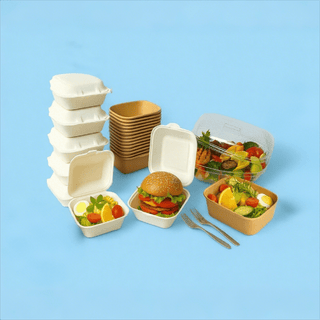
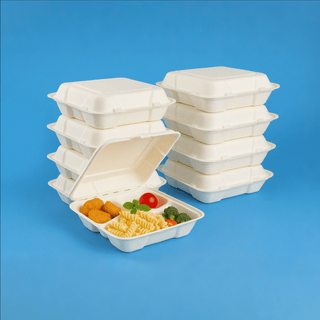
Businesses looking for styrofoam ban alternatives generally turn to a few reliable categories. Compostable plates made from pressed plant fiber have become common in markets with active regulations. Bagasse takeout containers, made from sugarcane pulp left over after juice extraction, are now a staple for many food service operators because they handle heat and moisture particularly well.

Compostable paper plates with plant-based coatings also fill part of the gap, particularly for lighter applications. Most of these materials meet current local food packaging ordinances, though confirming whether your jurisdiction requires specific certifications is always a sensible step.

What BPI Certification Actually Means for Compostable Food Packaging
When sourcing compliant food packaging, the term "BPI certified compostable" appears frequently. BPI stands for the Biodegradable Products Institute, and its certification program is one of the most widely recognized compostability standards in North America.
How the Certification Process Works
BPI certification is based on testing against established ASTM standards, specifically ASTM D6400 for plastics and ASTM D6868 for coatings and laminates. Products must demonstrate that they break down fully under industrial composting conditions within a defined timeframe and leave no harmful residues behind.
The process involves third-party laboratory testing. A product carrying the BPI mark has gone through that process and met the threshold requirements.
When Certification Matters Most
Some local food packaging ordinances specifically require BPI certified compostable products. Others reference ASTM standards directly. In either case, certification serves as documented evidence that a product meets stated criteria.
For a disposable tableware supplier or a restaurant operator, certified products simplify compliance conversations with regulators. Certification also reduces the risk of purchasing packaging that claims compostability without any verification to back it up.
Compostable Plates, Bagasse Containers, and Real-World Performance
Certifications matter for legal compliance, but daily performance matters just as much. Switching to compostable options means confirming that those products actually hold up in your specific environment.
Compostable Paper Plates
Compostable paper plates are widely available and generally affordable. They work well for lighter foods and dry items. Many versions now include plant-based coatings that provide moderate moisture resistance, though performance varies considerably by product.
One practical point worth noting is that compostable paper plates may soften more quickly than conventional plates under wet or heavy food. For high-volume operations, checking load capacity before committing to a supplier is a reasonable precaution.
Bagasse Containers
Bagasse containers come from the fibrous residue left after sugarcane juice is extracted. They are dense, structurally solid, and handle heat better than most paper alternatives. Many operators rely on them for hot meals, takeout orders, and items that produce grease or steam during service.
They are also widely accepted by industrial composting facilities, which matters in jurisdictions where local food packaging ordinances require that compostable packaging be processable by available local infrastructure.

A Quick Comparison of Common Compostable Packaging Materials
The table below offers a practical overview to help with sourcing decisions. Always verify that specific products meet the requirements of your local jurisdiction.
| Material | Heat Resistance | Moisture Resistance | BPI Certifiable | Common Uses |
| Compostable paper plates | Up to 160°F (71°C) | Low to moderate | Yes | Snacks, light meals |
| Bagasse containers | Up to 250°F (121°C) | High | Yes | Hot meals, takeout |
| PLA (plant-based plastic) | Up to 110°F (43°C) | Moderate | Yes | Cold drinks, lids |
| Molded fiber trays | Up to 200°F (93°C) | Moderate | Yes | Produce, baked goods |
How to Choose Compliant Packaging and Keep Up With Changing Rules
Compliance requires more than a one-time purchase decision. The rules in your area may have been updated recently, and packaging that was acceptable a couple of years ago may no longer meet current standards.
The most reliable starting point is checking your local ordinances directly, either through your city's website or by contacting the relevant regulatory office. When purchasing from a disposable tableware supplier, ask for documentation of certifications. If your jurisdiction requires BPI certified compostable products, confirm that the specific items you are ordering carry that certification, not just a general eco-friendly claim.
Building a relationship with a supplier who monitors regulatory changes can also be valuable. Many food businesses operate in regions where rules are still evolving, and early notice of changes makes transitions far smoother.
Make the Switch to Compliant Packaging Now
Packaging regulations are moving in one direction. Foam and single-use plastics are facing increasingly tight restrictions, and compostable options are becoming the default in regulated markets. Whether you choose compostable plates, compostable paper plates, or bagasse containers, selecting certified products now puts your operation ahead of potential compliance issues. Partner with a knowledgeable disposable tableware supplier who can provide documentation and help you adapt as local rules continue to develop.
FAQs about Disposable Food Packaging
Q1: What Are Local Food Packaging Ordinances and Who Has Authority to Enforce Them?
Local food packaging ordinances are regulations specifying which materials may be used for food service packaging within a given jurisdiction. Enforcement typically falls to city or county agencies, often health departments or environmental compliance offices. Some states have statewide preemption laws that limit local authority, so the enforcement structure depends on where you operate.
Q2: Are Compostable Plates Accepted at All Composting Facilities?
No. Compostable plates, including those that are BPI certified compostable, are generally accepted only at industrial composting facilities, not standard home compost bins. The breakdown process requires sustained heat and specific microbial conditions. Before assuming where your packaging will end up, confirm directly with your local facility whether it accepts certified compostable products.
Q3: What Makes Bagasse Containers a Reliable Styrofoam Ban Alternative?
Bagasse containers work well as styrofoam ban alternatives because sugarcane fiber gives them solid heat and structural durability. They resist grease and moisture better than most paper options and are widely certifiable as compostable. Their performance in hot food applications, combined with their broad acceptance at industrial composting facilities, makes them a practical choice in regulated markets.
Q4: Does BPI Certification Guarantee That a Product Satisfies All Local Packaging Rules?
No. BPI certified compostable status means a product has met a recognized compostability standard through third-party testing. However, local food packaging ordinances may reference different standards or impose additional conditions beyond certification. Verification with your specific jurisdiction is always the appropriate step, even when a product carries recognized certification.
Q5: How Should a Disposable Tableware Supplier Document Compliance for Buyers?
A reliable disposable tableware supplier should be able to provide third-party certification documents, including BPI certification where applicable, along with confirmation of which local food packaging ordinances specific products satisfy. Written documentation, rather than verbal assurances, is the most defensible form of compliance evidence when regulators ask questions.