


Plastic Tasting Cups: Sample Yield & Pour Planning
Quick Answer
Plan plastic tasting cups around the measured sample pour, not the cup's nominal capacity. A 2 oz cup does not require a 2 US fl oz sample. Choose a target pour that fits the actual beverage and leaves handling space, then divide the usable batch volume by that pour and round down to whole samples. Count cups separately for every flavor, participant, replacement, and reserve you choose.
An American café testing two iced teas or a catered reception offering a juice tasting needs two different plans: enough beverage for the intended samples and enough clean cups to hand them out. This workflow covers cold, nonalcoholic beverage sampling. It does not set standard wine or spirit pours, provide a recipe, or establish a cup's temperature rating.
Browse JC plastic drinking cups for current formats. If you still need to choose a general cup type, start with the shot-cup and tasting-cup selection guide. The steps below address measured pour planning after that choice.
Keep capacity, pour, and batch volume separate
- Nominal capacity: the size stated on the product variant. It does not make the cup a calibrated measure.
- Target pour: the amount of beverage you deliberately dispense for each sample.
- Usable batch volume: what you can actually allocate to samples after any prep loss or retained reserve you have recorded.
A cup label describes a container; a measured pour describes a serving. Do not use an unmarked cup's rim, visual height, or the printed ounce size as a substitute for a measuring vessel. Tapered cups do not have the same volume at every equal height increment.
For a conversion reference, NIST lists one US fluid ounce as approximately 29.57 mL. A 1 US fl oz target is therefore about 29.6 mL; it is an illustrative planning choice, not a universal tasting standard. Keep the batch and pour in the same units.
Calculate whole samples from the usable batch
Whole samples = usable batch volume ÷ target pour, rounded down.
If 64 US fl oz are allocated to samples and the target is 1 US fl oz, the theoretical yield is 64 samples. If some liquid remains in the pitcher or is spilled, actual yield will be lower.
| Target pour | Approx. mL per sample | Whole samples from 64 US fl oz | Remainder before service losses |
|---|---|---|---|
| 0.5 US fl oz | 14.8 mL | 128 | 0 |
| 1 US fl oz | 29.6 mL | 64 | 0 |
| 1.5 US fl oz | 44.4 mL | 42 | 1 US fl oz |
These are arithmetic scenarios, not tested product yields or recommended serving amounts. They exclude ice displacement, foam, spills, retained liquid, and any extra samples. The 1.5 US fl oz row is not a fit guarantee for every nominal 2 oz cup: trial the actual cup and beverage before choosing that pour.

Count cups for each flavor and service round
Beverage yield and cup demand are separate counts. If each participant tastes two flavors in separate cups, multiply participants by two before adding replacements or your chosen reserve.
| Planning input | Illustrative choice | What it means |
|---|---|---|
| Participants | 40 | Not a forecast of turnout |
| Flavors per participant | 2, one cup each | 80 planned sample cups |
| Target pour | 1 US fl oz | 40 US fl oz of each flavor for the planned round |
| Chosen extra cups | 8 | 88 cups staged in total |
| Extra beverage | Record separately | Spare empty cups do not supply extra liquid |
The eight extra cups are an organizer's example choice, not a recommended waste allowance. A carton of 1,000 cups can support several smaller sessions; its pack count does not tell you how many people will attend or how many sample pours your beverage batch supports.
Test the pour before staging the tray
- Measure a candidate portion. Use a suitable measuring vessel in consistent units, then transfer the measured amount to the exact cup.
- Inspect the real beverage. Check foam, pulp, toppings if used, visible headroom, and ease of drinking. Do not infer fit from a water test alone when your beverage behaves differently.
- Walk the handoff route. Carry a representative tray from the prep point to the tasting position and adjust the setup if handling is awkward.
- Document the decision. Record cup SKU, target pour, batch allocation, number of flavors, planned rounds, and separately chosen reserves.
- Reconcile after service. Compare samples issued, unused clean cups, and leftover beverage. Use your observations for the next event rather than assuming a generic consumption rate.
For larger cold-drink service rather than tasting portions, use the cold-drink cup size and fit guide. Confirm exact product instructions before changing beverage temperature or adding a lid.
A current 2 oz HWC cup option


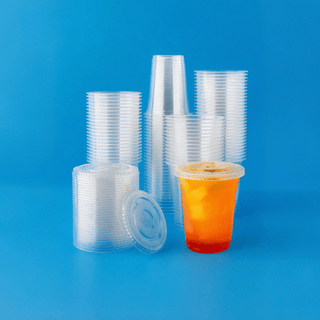
Clear PS tasting cups: selected 2 oz carton
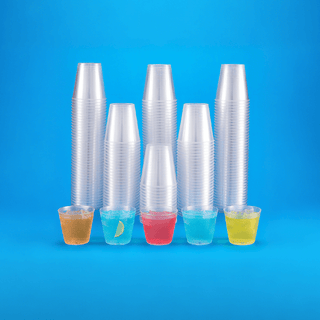
The linked variant is 2 oz / 1,000 per carton, SKU C001-2-Clear-1000-hwc. It is the overseas-warehouse option used for this planning example. Nominal capacity does not establish a calibrated pour line, lid compatibility, or heating suitability.
View the selected 2 oz, 1,000-cup HWC carton
Other pack sizes on the same product page are different variants. Check the selected variant and availability when ordering.
For a recurring sample program, send the target portion, flavor count, session frequency, and delivery needs through JC's business inquiry page. Find related category guidance in Resources.
Frequently asked questions
Does a 2 oz tasting cup need a 2 oz pour?
No. Choose the sample amount deliberately and verify it in the actual cup. A nominal 2 oz label is not an instruction to fill to the rim.
How many 1 oz samples come from a 64 oz batch?
Sixty-four when both measurements mean US fluid ounces and all 64 are allocated to samples. Actual yield can be lower because of spills, retained liquid, or a separately held reserve.
Can I mark a pour line by measuring cup height?
Not reliably for a tapered cup. Equal height increments do not represent equal volume increments. Establish any working fill reference using a measured portion in the exact cup.
How many cups do I need for two flavors?
For one sample of each flavor in separate cups, start with two cups per participant. Add further rounds, replacements, and any reserve you choose separately; count the beverage for each flavor separately too.
Are tasting cups marked with calibrated measurements?
The selected example is not presented here as a calibrated measuring cup. Use a suitable measuring vessel to establish the target pour, and rely on the exact product listing for any claimed markings.
Can these figures be used for hot samples or alcoholic pours?
This guide covers arithmetic for cold nonalcoholic beverage sampling. It does not establish hot-use conditions, alcohol serving standards, or a temperature rating. Those decisions require the exact product instructions and applicable service requirements.