




How Many Champagne Flutes Do You Need? A Wedding Toast Quantity Guide
How Many Champagne Flutes Do You Need? A Wedding Toast Quantity Guide
For event planners, caterers, and hosts, the question is not simply “how many champagne flutes?” It is whether every planned toast can happen without a last-minute scramble for clean drinkware. This guide is a planning tool for plastic champagne flutes, especially when a wedding, engagement party, shower, or corporate celebration needs a clear count and a restock plan.
A toast count should be based on people expected to participate, not on the number of bottles or on a generic party-supply rule.
Use the guest count as the starting point
First, define the toast group: everyone invited, only adults, or a smaller dinner-table group. Then decide how service will work. A staffed toast can be staged in a fixed number of flutes; an open drink station needs more flexibility. The following table is a transparent planning framework, not a claim about consumption or a safety standard.
| Service situation | Planning method | What to hold back |
|---|---|---|
| Seated, one-time toast | Toast participants + a modest replacement buffer | Keep a small unopened reserve near the service team. |
| Welcome pour plus toast | Expected participants + a larger reserve for early service | Separate the backup from the first-wave setup. |
| Self-serve or roaming reception | Expected participants + a larger operational buffer | Stage replenishment where staff can reach it without crossing guest traffic. |
| Multiple toast moments | Plan each service moment separately, then combine the highest simultaneous need | Confirm whether guests reuse the same flute or receive a fresh one. |
The right buffer is an operational choice: it protects the planned service moment without pretending that every event behaves the same way.
A simple champagne flute quantity workflow
- Count participants. Use the latest RSVP or guaranteed guest count, and identify who is included in the toast.
- Choose the service format. Decide whether flutes are placed at seats, handed out by staff, or available at a station.
- Set a replacement buffer. Consider breakage, misplaced cups, late arrivals, and whether a second toast is planned. The buffer is a judgment call, so write down the reason for it.
- Match the total to pack sizes. Round up to a pack combination that preserves a practical reserve rather than ordering exactly to the guest count.
- Stage, do not scatter. Put first-wave flutes at the service point and leave the backup unopened until it is needed.
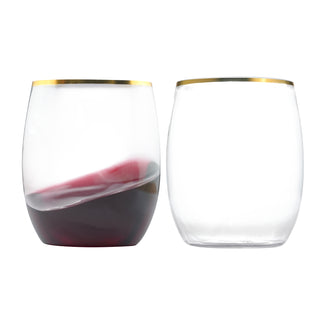
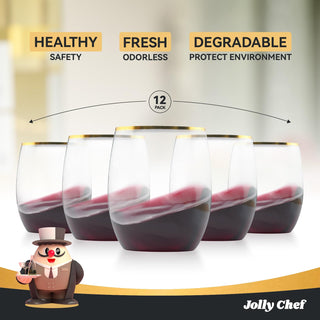
For a bulk service option, review the pack details and current availability for Jolly Chef’s 4.5oz clear plastic champagne flutes. The product card below is intentionally tied to an active overseas-warehouse SKU checked at draft creation.

Why service format changes the count
Place settings make the count visible early: a coordinator can see what is missing before guests enter. Passed service is more flexible, but it needs a protected restock area. A self-serve station is convenient, yet it makes it harder to predict how many items leave the station before the toast begins.
When the toast is time-sensitive, keeping a separate, unopened backup is more useful than distributing every flute at the start.
For an adjacent styling and etiquette perspective, see Wedding Toasts Made Simple. This quantity guide deliberately focuses on planning and service flow rather than recreating that article’s selection advice.
Set up a two-zone service area

Create a ready zone with the flutes needed for the immediate toast, and a backup zone with remaining packs. The backup zone should be reachable by the coordinator or catering team, but not part of the guest-facing display. This makes it easier to correct a count issue quietly and helps keep the setup orderly.
If the event setup also needs broader purchasing context, the Jolly Chef About Us page provides brand information, while the champagne flute collection is the most direct next click for comparing available styles.
Pack planning: avoid the exact-count trap
Buying exactly one flute per guest leaves no room for a changed RSVP, an extra place setting, or a service adjustment. Instead, calculate the participation count, document the buffer choice, and then choose the pack combination that meets or slightly exceeds the result. For example, a 100-count pack may be practical for a smaller list, while a larger case can fit a higher-volume service plan; always check the current product page because pack availability can change.
FAQ
Should I order one champagne flute per guest?
Yes, one per expected toast participant is the starting point for a single planned toast. Add a documented reserve based on the service format and event conditions.
How many extra champagne flutes should I keep?
Keep enough for plausible replacements and service changes. The right amount depends on whether the toast is seated, staffed, self-serve, or repeated.
Are plastic champagne flutes useful for a wedding toast?
They can be a practical option when the event needs a consistent, lightweight, single-use service setup. Check the specific product page for material, capacity, pack size, and availability.
Should I put every flute on the table before guests arrive?
No, it is often more manageable to stage the first wave and retain an unopened backup zone. That keeps the reserve available for the moments that need it.
What should I verify before placing an order?
Confirm the toast-participant count, service method, pack size, product status, live inventory, and venue requirements. Do not rely on an old event count or a generic online formula.
Planning follow-up: review this article’s impressions, rankings, collection clicks, and product-card engagement after 14 and 28 days to decide whether the title, table, FAQ, or internal links need refinement.