
Best Meal Prep Containers: Material, Size & Storage Guide
A useful container is not simply the one with the longest feature list. It should fit your portion, storage method, transport route, reheating plan, and cleanup routine. This guide explains how to compare reusable and disposable formats without treating every material or lid as interchangeable.
Best meal prep containers by use case
| Use case | Good starting format | Check before buying | Main tradeoff |
|---|---|---|---|
| Refrigerated work lunches | Single-serve glass or labeled reusable plastic | Lid fit, bag orientation, microwave instructions | Glass is heavier; plastic can stain or retain odors |
| Freezer batch cooking | Shallow, freezer-labeled containers | Headspace, stackability, thawing method | Large containers cool and thaw less evenly |
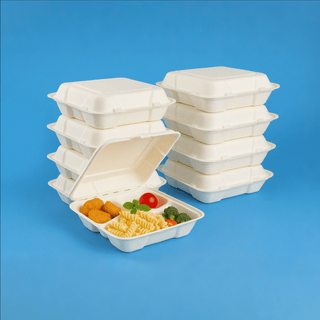
| Meals with crisp and wet components | Two- or three-compartment container | Compartment depth and whether sections seal from each other | Fixed sections reduce portion flexibility |
| Soups, sauces, and stews | Deep container with a tested, tight-fitting lid | Liquid leak test and safe fill line | Overfilling increases spill risk |
| Catering or one-way service | Disposable container matched to food temperature and hold time | Manufacturer use limits, lid compatibility, local disposal options | Convenience must be weighed against disposal needs |
Selection judgment: The best meal prep container is the one approved for the food temperature and appliance you will actually use—not the material with the most marketing claims.
Choose the material by the task
Glass
Glass is a practical reusable choice when visibility, stain resistance, and reheating are priorities. It is heavier and breakable, and the lid may have different temperature limits from the base. Check both pieces rather than assuming the full set has identical oven, freezer, dishwasher, or microwave instructions.
Reusable plastic
Reusable plastic is lightweight and easy to carry. Look for clear use instructions, replace warped or cracked pieces, and avoid assuming that “food storage” automatically means microwave- or freezer-safe. Follow the labeled use and care limits for the exact container.
Stainless steel
Stainless steel is durable and useful for cold meals or transport, but it does not belong in a microwave. Because the container is opaque, date labels become especially useful when several prepared meals are stored together.
Fiber and other disposable formats
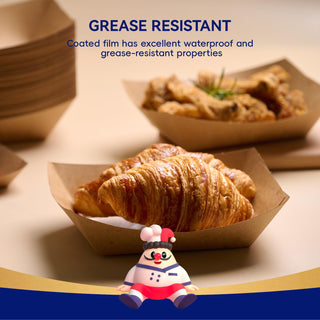
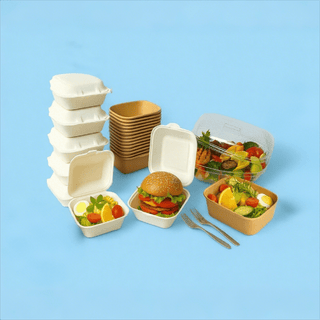
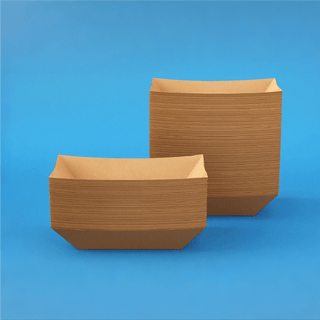
Disposable formats can simplify catering, delivery, and one-way service. Their heat, liquid, freezer, and microwave performance varies by product, coating, lid, and stated use. “Compostable” also does not mean an item will break down in every home or municipal system, so confirm local acceptance before making a disposal claim.
Size and compartment guide
Start with the meal, not a universal ounce target. A dense entrée, a leafy salad, and a soup may need different shapes even when their serving volumes look similar. For prepared lunches, test one real meal before purchasing a large pack.
- Single compartment: best for flexible portions, bowls, pasta, and meals that can touch.
- Two compartments: useful when a main dish needs one separate side or garnish.
- Three compartments: useful for an entrée plus two sides, especially when visual portioning matters.
- Shallow container: supports faster cooling than one large, deep vessel when hot leftovers are divided promptly.
- Deep container: gives liquids more headspace, but the lid still needs a real transport test.
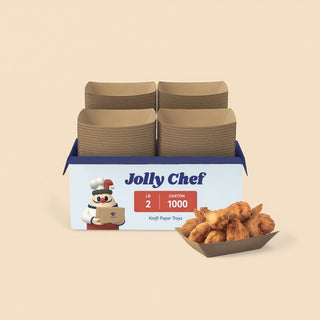
For disposable service, compare current options in Jolly Chef’s meal prep containers collection. The separate bulk meal prep container guide focuses on commercial pack planning; this article focuses on choosing a format for everyday storage, transport, and reheating.
A six-step container test
- Define the food. Note whether it is liquid, acidic, oily, crisp, frozen, or served hot.
- Define the route. Decide whether the container stays upright in a refrigerator or travels in a bag, cooler, delivery tote, or vehicle.
- Check labeled limits. Verify microwave, freezer, dishwasher, and temperature instructions for both the base and lid.
- Run a cold leak test. Fill one sample with water, close it correctly, tilt it over a sink, and inspect the rim. A dry fit test does not prove hot-liquid performance.
- Pack one real meal. Check headspace, compartment fit, stacking, and whether crisp items stay separated from sauces.
- Label and review. Add contents and preparation date, then note any staining, warping, odor, or seal damage after use.
Workflow judgment: One tested sample is more informative than buying a bulk case from dimensions alone, because usable capacity changes with food shape and required headspace.
Food-safety boundaries for meal prep
Containers support a food-safety process; they do not replace it. USDA advises dividing large amounts of leftovers into shallow containers for rapid cooling, refrigerating perishable food promptly, and using cooked leftovers within three to four days. When reheating, use the appliance and temperature instructions for the food and container rather than relying on appearance alone.
Storage judgment: An airtight lid can help contain food and odors, but it does not make an improperly cooled meal safe or reset its storage time.
Frequently asked questions
What type of container is best for meal prep?
There is no single best material for every meal. Glass suits many reheat-at-home routines, lightweight reusable plastic suits commuting, stainless steel suits non-microwave transport, and disposable formats suit one-way service when the labeled use matches the food.
Are glass meal prep containers better than plastic?
Glass is better for stain resistance and visibility, while plastic is usually lighter and less breakable. The better choice depends on transport, storage, and the manufacturer’s appliance instructions.
What size meal prep container should I buy?
Pack one typical meal and choose the smallest size that leaves practical headspace without crushing food. Compartment layout often matters more than total volume.
Can meal prep containers go from freezer to microwave?
Only when the manufacturer explicitly permits both uses and gives suitable handling instructions. Follow any venting, lid-removal, thawing, and temperature-change directions for the exact product.
How long can cooked meal prep stay in the refrigerator?
USDA recommends using cooked leftovers within three to four days. Label the preparation date and follow more specific guidance when an ingredient requires a shorter limit.
How do I stop meal prep containers from leaking?
Keep the rim clean, close every latch fully, leave headspace, and test one filled sample before transport. Separate very thin sauces when the lid is not designed or tested for liquids.
Sources and next steps
- U.S. Food and Drug Administration: Food Safety in Your Kitchen
- USDA Food Safety and Inspection Service: cooked-food refrigerator guidance
- Jolly Chef FAQs for store, shipping, and order questions.