




Why Buying Coffee Cups Retail in Small Batches Hurts: Hidden Costs Killing Margins
Small batch retail purchasing feels convenient, but it's quietly draining your profits. Every time you reorder coffee cups in small quantities, you're paying more per unit, racking up shipping fees, and losing valuable time on restocking. Switching to wholesale coffee cups and bulk purchasing eliminates these hidden costs and protects your bottom line.
Why Are Wholesale Coffee Cups Cheaper Than Retail?
The price difference between retail and wholesale isn't just about buying more at once. It's about how the entire supply chain works and where your money actually goes.
Tiered Discount Structure for Bulk Coffee Cups
Suppliers use volume-based pricing because it costs them less to process one large order than ten small ones. When you buy in larger case quantities instead of small runs, the per-cup price drops significantly.
Most wholesale suppliers offer pricing tiers that reward larger commitments. A case of disposable coffee cups with lids might cost more per case at small-quantity pricing, but ordering multiple cases brings the price down to a lower per-case rate. That's a noticeable savings just for committing to more volume upfront.
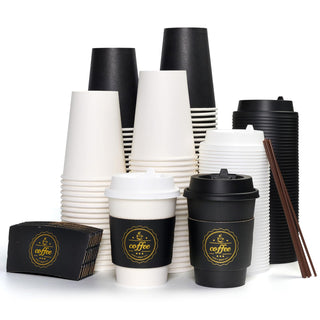
Wholesale partners like Jolly Chef streamline this by structuring inventory around standardized case packs, allowing you to sync reorders with your actual consumption cycles—minimizing both stockouts and overstock.
Manufacturer Direct Pricing vs. Retail Markup
Retail stores need to cover their overhead: rent, staffing, utilities, and profit margins. A retailer buying disposable coffee cups from a distributor typically marks them up by a significant margin before selling to you. When you go directly to a wholesale supplier, you're cutting out that middleman entirely. You're paying closer to what the retailer pays, which means your costs drop immediately without changing anything about your operation.
Economies of Scale for Disposable Coffee Cups with Lids
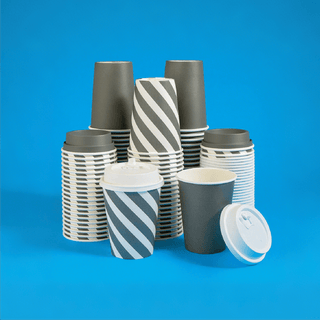
Manufacturing and logistics both get cheaper at scale. A factory producing high-volume runs spreads its fixed costs across more products than one producing small batches. Full-pallet shipping costs less per unit than shipping partial boxes. These savings get passed to wholesale buyers. The same principle applies whether you're buying plain paper coffee cups or more complex disposable coffee cups with lids.
What Hidden Costs Come with Retail Small-Batch Ordering?
The sticker price on retail coffee cups is just the beginning. Several hidden expenses add up fast when you're ordering small quantities frequently.
Frequent Shipping Costs on Coffee Cups Disposable
Small orders mean paying for shipping repeatedly throughout the month instead of consolidating into fewer deliveries. If you're ordering disposable coffee cups with lids multiple times a month with a separate shipping charge each time, that can add up to a meaningful annual expense just in delivery fees.
A single consolidated bulk shipment often costs less per unit to ship, saving you real money over the year on freight alone. Those savings scale with your volume.
A simple way to reduce repeat freight is to consolidate cups with the small add-ons you use every day—think lids, sleeves, and other cup accessories—so you're not placing extra orders just because one component ran out.
Wasted Labor Hours on Repeated Restocking
Every order requires someone to place it, receive it, unpack it, and stock it. If this takes meaningful staff time per order and you're ordering frequently that time adds up over a year spent on procurement for one product category. At $17.83 per hour, that's real labor cost tied up in repetitive restocking. Bulk ordering reduces this too far fewer restocking sessions per year, freeing up time for customer-facing work that actually generates revenue.
Premium Pricing on Emergency Orders
Running out of paper coffee cups during a morning rush forces emergency orders at whatever price is available. You'll pay extra for expedited shipping, accept whatever local markup exists, and lose sales if you can't serve customers. One emergency order at a steep premium above normal cost can wipe out weeks of careful budgeting. Bulk purchasing with proper inventory planning prevents this entirely.
Cash Flow Pressure and Capital Tie-Up
Frequent small orders create constant cash outflows. You're always paying for supplies. While bulk orders require more upfront capital, they actually improve cash flow predictability. You know exactly when major supply expenses hit, making it easier to plan promotions, staffing, and other investments. This financial visibility helps high-margin coffee supply businesses operate more strategically.
These costs don't appear on your cup invoice, but they're real expenses that eat directly into your margins.

How Do Bulk Coffee Cups Improve Your Profit Margins?
Switching to wholesale purchasing doesn't just cut costs. It fundamentally changes your operational economics in ways that compound over time.
Lower Per-Unit Costs Through Wholesale Pricing Benefits
The math is straightforward. If retail coffee cups disposable cost several cents more per cup than wholesale, you're saving a few cents per cup. A cafe serving hundreds of cups daily saves noticeably per day, meaningfully per month, or thousands over a year. That's pure profit improvement with zero change to your prices or operations. For businesses already operating on thin margins, this kind of savings can mean the difference between struggling and thriving.
Predictable Inventory for High-Margin Coffee Supplies
Bulk purchasing lets you lock in pricing for months at a time. When paper coffee cup prices fluctuate due to material costs or supply chain issues, you're insulated because you've already bought your supply. This pricing stability makes financial forecasting accurate and protects you from unexpected cost spikes that force difficult decisions about whether to raise prices or absorb losses.
Better Cash Flow from Strategic Bulk Buying
Large orders qualify for payment terms that small orders don't. Many wholesale suppliers offer pay-after-delivery terms for established customers ordering in volume. This means you can receive and start using your disposable coffee cups with lids before paying for them. You're essentially getting cash-flow support that improves working capital. Retail orders typically require immediate payment.
The financial benefits extend beyond simple cost reduction. You're building a more resilient, profitable operation.

How to Choose Paper Coffee Cups Wholesale Suppliers?
Not all wholesale suppliers deliver the same value. Choosing the right partner requires evaluating several key factors that affect your long-term success.
Minimum Order Quantities That Match Your Needs
Wholesale suppliers set minimum order quantities (MOQs) to make their business model work. Some require very large minimums (often in the tens of thousands of units), which works for large chains but not independent cafes. Others offer MOQs small enough for independent operators to handle, making wholesale accessible to smaller operations. Calculate your monthly usage and find suppliers whose minimums represent several months of inventory. This balances bulk savings against storage limitations and capital requirements.
Quality Consistency for Disposable Coffee Cups with Lids
Cheap wholesale coffee cups that leak or collapse aren't savings—they're liabilities. Request samples before committing to large orders. Test them with hot liquids, check the lid fit, and evaluate the thickness. Quality inconsistency leads to customer complaints and wasted product. Reputable suppliers provide detailed specifications and stand behind their products. If a supplier won't send samples or provide clear quality metrics, that's a red flag.
Reliable Delivery Schedules for Disposable Coffee Cups
Late deliveries defeat the purpose of bulk ordering. You need suppliers who ship on time, every time. Check reviews, ask for references, and start with smaller test orders to verify reliability before committing to larger contracts. Establish clear lead times and build those into your reordering schedule. A supplier offering lower prices but inconsistent delivery will cost you more in the long run through emergency orders and stockouts.
Service Support from High-Margin Coffee Supplies Vendors
Good suppliers act as partners, not just vendors. They should help you optimize order quantities, suggest product alternatives when supply issues arise, and provide transparent communication about delays or problems. They should also offer flexible solutions when your needs change. This relationship value often matters more than shaving another penny off per-unit costs.
Selecting the right supplier transforms wholesale buying from a transaction into a strategic advantage.
FAQs About Wholesale Coffee Cups and Bulk Purchasing
Q1. How Do I Calculate the True Cost Difference Between Retail and Wholesale Coffee Cups?
Start by tracking your current spending over a representative period (for example, several weeks to a few months), including the per-unit price, shipping costs, and labor time for ordering and restocking. Calculate your monthly usage to determine appropriate bulk quantities. Get wholesale quotes for that volume, including shipping. Factor in one-time setup costs like storage solutions if needed. Most businesses find that wholesale saves a meaningful share of total costs, not just unit price. Create a simple spreadsheet comparing both scenarios over a full operating cycle (such as a year). Include opportunity costs like the value of time spent on frequent reordering. This comprehensive view shows the real financial impact and helps justify any upfront investment needed for storage or working capital.
Q2. What if My Storage Space Is Limited for Bulk Coffee Cups?
Storage constraints are common but manageable. Start by measuring your actual available space in cubic feet, then work with suppliers to optimize packaging. Some offer compressed packaging or custom pallet configurations that maximize space efficiency. Consider vertical storage solutions like industrial shelving that uses height instead of floor space. Jolly Chef's compact nesting design and reinforced carton packaging are specifically engineered to maximize vertical storage, allowing even small cafes to store a 3-month supply in a fraction of the space. Many businesses find that eliminating frequent deliveries actually frees up receiving area workflow, creating functional space gains. You can also negotiate with suppliers for more frequent, smaller bulk deliveries that still qualify for wholesale pricing, splitting the difference between true bulk and retail frequency. A moderate delivery cadence (such as periodic bulk deliveries) often works better than one very large delivery for space-limited operations.
Q3. Can I Negotiate Better Wholesale Pricing for Paper Coffee Cups?
Absolutely. Wholesale pricing isn't fixed like retail. Suppliers expect negotiation, especially for committed long-term buyers. Start by getting quotes from a handful of suppliers to understand market rates. Use these as leverage when negotiating with your preferred vendor. Ask about additional discounts for annual contracts, prepayment, or flexible delivery schedules that help their logistics. Volume commitments matter more than one-time orders. If you can commit to consistent periodic orders, many suppliers will improve pricing to secure predictable revenue. Payment terms also matter. Offering to pay faster than standard terms might earn you a small percentage discount. Be professional and reasonable, focusing on creating mutual value rather than just demanding lower prices.
Make the Switch to Wholesale and Boost Your Bottom Line
The cost difference between retail and wholesale coffee cups isn't minor. It's a fundamental business decision that affects your profitability every single day. Calculate your actual costs, evaluate wholesale options, and make the switch. Your margins will thank you.
If you want a practical starting point, check out Jolly Chef to compare case-based cup options and build a simple reorder list you can run on a predictable schedule, fewer shipments, and steadier margins.