




The Power of Produce Your 2025 Guide to Eating Better
Wondering how to start eating fruits and vegetables without overhauling your life? You are not alone. Only about 10% of adults eat enough vegetables daily. The secret is unlocking the power of produce by making healthy choices easy. This guide gives you simple strategies for your health. You will learn to shop for seasonal produce and use tools like compartment plates to fill up on delicious seasonal fruits and vegetables. This makes healthy eating with produce simple.
Key Takeaways
Eat more fruits and vegetables to improve your health. They give your body important nutrients, help prevent sickness, and boost your mood and energy.
Add produce to every meal easily. Try smoothies for breakfast, fill half your plate with fruits and vegetables for lunch and dinner, and snack on fresh options.
Shop smart for produce. Choose seasonal items for better taste and price. Frozen and canned options are also healthy and convenient.
Overcome challenges like picky eaters or busy schedules. Involve kids in cooking, use meal prep containers, and roast vegetables with seasonings to make them delicious.
The Power of Produce for Your Health
Eating more produce is one of the best things you can do for your health. The 2020-2025 Dietary Guidelines suggest adults aim for about 2 cups of fruit and 2.5 cups of vegetables daily. This simple habit unlocks the power of produce, giving your body the tools it needs for optimal wellness.
The Nutrient-Dense Power of Fruits and Vegetables
Fruits and vegetables are packed with essential nutrients. This increased nutrient intake fuels your body efficiently. The power of fruits and vegetables lies in their rich nutritional value. For example, different fruits offer unique benefits.
Fruit |
Calories (per serving) |
Fiber (g) |
Vitamin C (mg) |
|---|---|---|---|
Apple (1 medium) |
94.6 |
4.37 |
8.37 |
Blackberries (1 cup) |
32.2 |
3.98 |
15.8 |
Blueberries contain nearly 10 times the antioxidants of many other fruits. Greener bananas provide resistant starch for gut health. Vegetables like spinach are high in vitamin K and iron. This variety in produce ensures you get a wide range of vitamins and nutrients for better nutrition.
Your Natural Defense Against Chronic Illness
Making produce a priority offers powerful health advantages. Eating seven or more servings of fruits and vegetables daily can lower the risk of premature death by 42%. This shows a strong link between produce and disease prevention. Studies confirm that a higher intake of fruits and vegetables is associated with reducing your risk for cardiovascular disease. This simple dietary change is a key step in disease prevention. Consistent consumption of produce supports your long-term health.
Fueling Your Brain for Better Mood and Energy
The nutrients in produce do more than just support physical health; they also fuel your brain. The right vitamins and nutrients can improve your mood and energy levels. Research shows that nutrients like magnesium and B vitamins play a role in managing stress. Magnesium, found in many vegetables, is closely linked to your body's stress levels. Getting enough of these key nutrients from produce helps you feel more balanced. This contributes to your overall health and vitality, making it easier to tackle your day with a positive outlook.
Practical Strategies for Every Meal
Incorporating more fruits and vegetables into your diet does not require a complete lifestyle change. You can easily add more produce to every meal with a few simple strategies. These tips make healthy eating a natural part of your day.
The Breakfast Boost: Smoothies and Toppings
You can start your day with a powerful serving of produce. Smoothies are a quick and delicious way to pack in nutrients. For a filling smoothie that keeps you satisfied, try adding high-fiber ingredients.
Leafy Greens: Spinach and kale are excellent sources of fiber and blend easily.
Healthy Fats & Fiber: Avocado adds a creamy texture, while chia seeds and flaxseeds provide fiber and omega-3s.
Extra Vegetables: You can even add zucchini or cucumber for a hydrating boost of vitamins.
If you prefer a warm breakfast like oatmeal or yogurt, toppings are your best friend. You can add a handful of fresh fruits like berries for sweetness. For a satisfying crunch and healthy fats, sprinkle on some nuts or seeds.
Tip: Almonds, walnuts, and pumpkin seeds are great choices. They provide protein, healthy fats, and important minerals like magnesium to fuel your morning.
Master the 'Half-Plate' Rule for Lunch and Dinner
The 'Half-Plate' rule is a simple visual guide for building balanced meals. You fill half of your plate with vegetables and fruits. The other half holds your protein and grains. This method helps you prioritize produce without counting calories. It also encourages mindful eating and better nutrition.
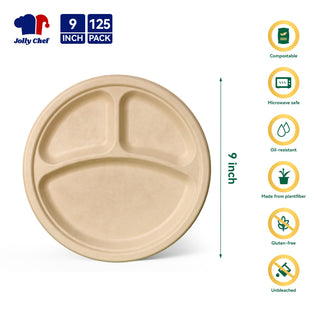
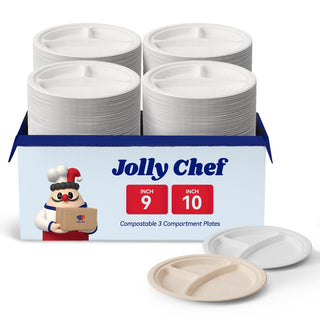
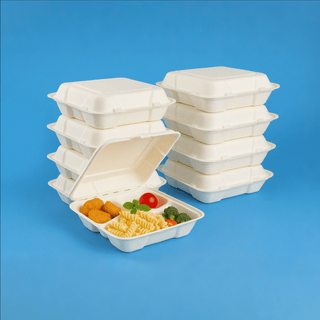
Using a tool can make this rule even easier. The Jolly Chef Eco-Friendly 3 Compartment Plates are perfect for this. Their three sections give you a clear visual guide to portion your meals. You can dedicate the largest section to vegetables, with smaller sections for your protein and carbs. These plates are made from 100% sugarcane pulp, a heavy-duty material that supports your commitment to both personal health and environmental sustainability.
Here are some easy meal ideas that follow the half-plate rule:
Grilled salmon with a large side of roasted asparagus and a small portion of potatoes.
Rotisserie chicken paired with a generous serving of broccoli slaw and a whole-grain tortilla.
A turkey burger (without the bun) served with sweet potato wedges and a large mixed greens salad.
Smart Snacking: Ditch Processed for Produce
Snack time is a great opportunity to add another serving of produce to your day. You can swap processed snacks for fresh, nutrient-dense options. This simple change reduces your intake of empty calories and boosts your vitamins.
Many vegetables make for fantastic, crunchy snacks. Consider these easy options:
Bell pepper strips with hummus
Celery sticks with peanut butter
Baked kale chips
Roasted edamame
Dips can make your vegetable snacks even more exciting. You can make a simple and healthy dip at home. Try a classic hummus made from chickpeas or a creamy dip using Greek yogurt as a base. A simple avocado dip, like guacamole, also pairs perfectly with raw vegetables and adds healthy fats.
Hydration with a Twist: Infusing Water and Teas
Staying hydrated is essential for your body to function well. You can make your water more interesting by infusing it with fruits and herbs. This adds natural flavor without any sugar or artificial ingredients. The power of produce can even upgrade your water.
Some popular combinations you can try include:
Classic Cucumber and Lemon
Strawberry and Mint
Pineapple and Coconut
Blueberry and Lavender
Herbal teas with added fruits also offer great benefits. A warm cup of lemon tea, for example, is a wonderful way to stay hydrated. The vitamin C from the lemon helps boost your immune system. The citric acid can also aid digestion and support kidney function. Adding fruit to your beverages makes hydration a more enjoyable and beneficial habit.
Shopping Smart for Produce in 2025
You can make your grocery trips more effective and affordable. Smart shopping helps you get the most nutritional value from your produce. Eating seasonal produce is a great way to improve your diet and support sustainability.
The Benefits of Seasonal Produce and Local Finds
Eating seasonal produce offers you the best flavor and nutrition. When you choose seasonal fruits and vegetables, you get them at their peak freshness. This often means they are more affordable, too. Eating seasonal produce connects you to the natural food cycle. Here are some examples of seasonal produce you can find:
Spring: Look for asparagus, peas, radishes, and strawberries.
Summer: Enjoy corn, cucumbers, melons, peaches, and tomatoes.
Fall: Find apples, Brussels sprouts, pumpkins, and winter squash.
Winter: Choose citrus fruits, kale, and root vegetables like beets.
Exploring local farmers' markets is a fantastic way to discover seasonal produce. This practice of eating seasonal produce ensures you get a variety of nutrients throughout the year. Your health will benefit from the diverse range of seasonal options.
Frozen and Canned: Debunking Myths and Unlocking Value
Fresh produce is great, but frozen and canned options are also excellent for your health. Companies often freeze produce like peas and corn right after harvesting. This process locks in vitamins. Studies show frozen produce can have a nutritional value comparable to fresh produce. Sometimes, it is even higher in certain vitamins.
Canned produce is another convenient choice. The canning process preserves most minerals and fiber.
Shopping Tip: When buying canned produce, you should check the label. Look for options with "no salt added" or "packed in its own juice" to avoid extra sodium and sugar.
Minimizing Waste with Proper Storage and Recipes
Proper storage helps your produce last longer and saves you money. You can keep your food fresh and reduce waste with a few simple tricks.
Leafy Greens: Store unwashed greens in an airtight bag in your refrigerator's crisper drawer. You can revive wilted greens by soaking them in ice water for a few minutes.
Root Vegetables: Remove the leafy green tops from carrots and beets. This stops them from drawing moisture out of the root. Store them in a bag in the fridge.
You can also use vegetable scraps to create new meals. Save onion skins, carrot peels, and celery ends in a freezer bag. Simmer them later to make a flavorful homemade vegetable broth. Eating seasonal produce and using every part of it is a powerful habit.
Overcoming Common Hurdles
Making healthy changes can feel challenging. You might face picky eaters, a busy schedule, or just find vegetables unexciting. These common hurdles are easy to overcome with the right strategies. You can make eating more produce a simple and enjoyable part of your life.
Tackling Picky Eaters: Tips for All Ages
Encouraging picky eaters to try new foods requires patience and a positive approach. Research shows that it can take 10 to 20 introductions for a child to accept a new food. Creating a relaxed mealtime environment is the first step.
You can make the process of trying new seasonal produce fun and pressure-free.
Involve Your Kids: Let children help with meal prep. They can wash seasonal produce or choose a new vegetable at the store. This involvement sparks their curiosity.
Model Good Habits: Children often copy adults. Show your own enjoyment when you eat a variety of seasonal produce.
Offer Variety: Serve a small portion of a new food alongside familiar favorites. This gives them a choice without pressure.
Sometimes, a little creativity is all you need. You can "hide" nutritious vegetables in dishes your family already loves. This is a great way to boost their intake of seasonal produce.
Jean Choi, a recipe developer, shares her secret for her toddler: "I'm always trying to find ways to sneak in more veggies... Mac and cheese has been her favorite thing to eat lately, so I had this great idea to make it for her with blended vegetables."
You can blend mild vegetables like cauliflower into cheese sauce or add pureed carrots to pasta sauce. Zucchini and spinach are also easy to add to smoothies and baked goods like muffins. This method helps you incorporate more seasonal produce into your family's diet.
The Time Crunch Solution: Meal Prep with Jolly Chef
A busy schedule is a major barrier to healthy eating. Meal prepping is your solution. You can prepare your produce for the week in one session. This "everything in its place" approach, meaning "everything in its place," saves you valuable time during busy weekdays. You can chop harder vegetables like carrots, broccoli, and bell peppers ahead of time. This makes it easy to grab healthy ingredients for any meal. Using seasonal produce for your meal prep ensures peak flavor.
The right tools make meal prep even easier. The Jolly Chef Plastic Round Meal Prep Containers are the ideal solution for storing your prepped produce.
They are made from high-quality, BPA-free plastic, so you can trust your food is safe from harmful chemicals.
The containers are microwave and freezer safe, giving you total flexibility. You can store chopped seasonal produce in the freezer or reheat meals directly in the container.
Their 100% leak-proof lids create an airtight seal. This keeps your prepped fruits, salads, and snacks fresh all week and prevents messy spills during transport.
Using these containers helps you stay organized and committed to your health goals. You will always have fresh seasonal produce ready to go. This makes healthy choices the easy choice. Your weekly planning with seasonal produce becomes simple and effective.
Making Veggies Delicious: Roasting and Seasoning
If you think vegetables are bland, you have not tried roasting them. Roasting brings out the natural sweetness in produce through caramelization. This simple cooking method transforms the flavor and texture of your favorite seasonal vegetables. It is a game-changer for making produce delicious.
Getting started is easy. A high temperature is key. Most vegetables roast perfectly at 425°F (220°C). Just toss your chopped produce with a little olive oil before spreading it on a baking sheet.
Vegetable |
Roasting Time (at 425°F) |
|---|---|
Broccoli Florets |
15 to 20 minutes |
Carrots |
15 to 25 minutes |
Brussels Sprouts |
15 to 20 minutes |
Seasoning is where you can get creative. You do not need a lot of salt to make your seasonal produce taste amazing. A simple blend of herbs and spices can elevate any dish.
Try this all-purpose seasoning blend: Mix olive oil with garlic powder, onion powder, smoked paprika, and a pinch of dried thyme.
You can also make a simple marinade with balsamic vinegar, olive oil, and fresh herbs like basil or rosemary. Drizzle it over the vegetables after they come out of the oven for maximum flavor. This technique works wonderfully with all kinds of seasonal produce, making every bite a delicious one. Your seasonal dishes will be full of flavor.
You can unlock the power of produce by making small, simple changes. Remember, progress matters more than perfection.
Your goal is to build sustainable habits. Start by adding just one extra serving of seasonal produce to a meal. Use meal prep to make healthy produce convenient, and shop smart with frozen or fresh seasonal options.
Your turn! 🚀 Pick one new seasonal fruit or vegetable to try this week. It's a small step that builds a powerful habit. Share what seasonal produce you chose in the comments below!
FAQ
Why is eating seasonal produce so important?
Eating seasonal produce gives you the best flavor and nutrition. These seasonal foods are often more affordable. Choosing seasonal items also supports local farmers and a sustainable food system. This makes seasonal eating a smart choice.
How can I make seasonal vegetables taste better?
You can roast seasonal vegetables to bring out their natural sweetness. Try adding simple seasonings like garlic powder and herbs. This simple method makes any seasonal vegetable delicious and appealing to everyone.
Are frozen vegetables a good alternative to fresh seasonal produce?
Yes, frozen vegetables are a great choice. They are frozen at peak freshness, locking in nutrients. They offer a convenient way to enjoy produce when your favorite seasonal options are not available.
Where can I find the best seasonal produce?
You can find great seasonal produce at local farmers' markets. Your regular grocery store also labels seasonal items. Look for what is abundant and on sale to identify the best seasonal picks.