
Outdoor Summer Events: Can Your Plastic Drinkware Withstand 100°F and Direct Sunlight?
Standard disposable drinkware can warp, soften, or lose its shape when exposed to 100°F temperatures and direct sunlight, creating spills, waste, and an unprofessional appearance at outdoor summer events. The key to avoiding these failures lies in choosing the right material—PET offers the best balance of crystal clarity and heat stability for most weddings and catering, while PLA is prone to softening near 104°F and should be avoided in unshaded high-heat conditions. With proper storage and handling, heat-resistant plastic drinkware can deliver reliable, elegant service even on the hottest days.
The 100°F Challenge: Why Standard Disposable Cups Fail in Summer Heat
Outdoor summer events expose drinkware to far more than the air temperature reported by weather apps. When ambient heat reaches 100°F and cups sit in direct sunlight, surface temperatures can climb much higher, causing common failure modes that ruin guest experience and create last-minute headaches for planners.
The most visible problems include warping (rims or sides losing shape), softening (cups becoming flexible and prone to collapse under light pressure), and clouding (loss of crystal clarity that makes even premium setups look cheap). These issues often appear suddenly after cups have been staged for an hour or two, leading to leaks, collapsed stacks, and embarrassed hosts scrambling for replacements.
Many standard disposables are designed for indoor or mild outdoor use and are not engineered for the combined stress of high ambient heat plus solar radiation. This distinction between air temperature and the actual temperature the plastic experiences is critical—plastic drinkware for 100°F heat must be evaluated under real-world outdoor conditions rather than lab specs alone.
A bulleted list of the three primary failure modes helps illustrate the risk:
- Warping: The cup distorts, making lids fit poorly or causing spills when guests pick them up.
- Softening: The material loses rigidity, often at the base or rim, leading to collapse.
- Clouding: Clarity fades, turning elegant clear cups into a hazy eyesore.
This concern is scientifically valid. Understanding material differences provides a clear path forward. The next section breaks down exactly how PET, PLA, and PP perform under direct sun and high heat so you can select with confidence.
Material Science: Comparing PET, PLA, and PP Under Direct Sunlight
Choosing the right plastic determines whether your drinkware survives a triple-digit outdoor wedding or fails mid-event. The three most common materials—PLA, PET, and PP—have dramatically different performance profiles when exposed to heat and sunlight.
According to research published in Sustainability, PLA (polylactic acid) begins to soften at temperatures as low as 104°F (40°C), especially in humid or direct-sun conditions. This makes “eco-friendly” PLA cups a high-risk choice for unshaded summer receptions, as they can quickly become soft and prone to deformation in a guest’s hand.
In contrast, standard PET (Polyethylene Terephthalate) drinkware remains structurally sound up to approximately 160°F (71°C). This substantial headroom above the 100°F threshold makes clear PET cups for outdoor events the preferred option for weddings where both elegant glass-like appearance and reliable performance matter. PET maintains its rigidity and clarity far better than PLA under typical summer loads.
Polypropylene (PP) provides the highest heat tolerance, withstanding temperatures up to 212°F (100°C) according to material performance guides. However, PP usually has a more translucent or frosted look rather than the crystal clarity many hosts desire for formal events. This aesthetic trade-off makes PP ideal for high-heat utility service or hot beverages but less suitable when visual appeal is paramount.
The chart below visualizes these differences clearly:
PET, PLA, and PP Under Direct Sunlight: Safe Temperature Range Comparison
Compare the softening-point boundary and practical safe operating range for outdoor events at 100°F+; higher bars indicate more headroom above hot-weather use.
| Category | Softening point (°F) | Suggested safe upper use range (°F) | Best suited for |
| PLA | 104 | 95 | Shaded indoor events, mild-weather outdoor use below 95°F |
| PET | 160 | 150 | Outdoor weddings, receptions, catering in full sun up to 100°F+ |
| PP | 212 | 200 | Hot beverage service, high-heat utility, unshaded extreme conditions |
Based on material-science reference points and typical outdoor performance guidance; the safe-use band stays below the softening boundary to reflect real-world heat exposure.
It is important to distinguish between melting point and softening point—the latter occurs much earlier and is what typically causes cups to fail in a guest’s hand. PET strikes the best balance for most events: it delivers the crystal-clear aesthetics hosts want while providing enough thermal stability for 100°F+ conditions.
Decision guidance: Choose PET for elegant outdoor weddings and receptions where clarity matters. Opt for PP when maximum heat resistance is needed and a frosted appearance is acceptable. Reserve PLA for shaded, lower-temperature indoor or mild-weather use only. This filtering logic helps you avoid costly mistakes before considering specific products.
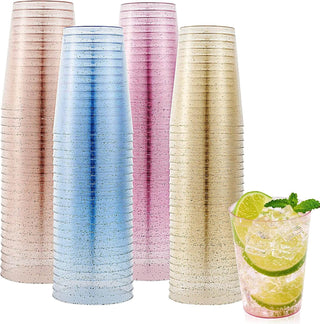
For crystal-clear performance that stands up to summer heat, explore Jolly Chef’s bulk crystal clear PET plastic cups or their elegant gold-rim clear PET plastic stemless champagne flutes.
The Sun Factor: Why 90°F Ambient Can Still Warp Your Drinkware
Many planners are surprised when cups fail on a day the forecast listed only 90°F. The reason is the “sun factor”—direct sunlight rapidly raises the actual surface temperature of plastic drinkware well above ambient air readings.
Plastic absorbs UV and infrared radiation, creating a heat-soak effect. Stacking cups in original packaging or leaving them on sun-exposed tables creates a greenhouse-like micro-environment where trapped air drives temperatures even higher. As noted in practical temperature guides, this can push surface readings past 110°F within minutes even when the air is below the softening threshold of many materials.
This explains why seemingly safe PLA cups rated near 104°F can still deform. The hidden load from direct sun turns a marginal material into a liability. Clear PET performs better here because its lighter color reflects more infrared than darker or opaque options, but even PET benefits from smart handling.
Myth vs. Reality
Myth: If the weather report says 90°F, my 104°F-rated cups are safe.
Reality: Direct sun can push surface temperatures past 110°F quickly, especially in stacked or packaged drinkware. Storage and staging decisions often matter as much as material choice.
UV-resistant disposable cups help reduce some absorption, but no common disposable is fully UV-stabilized for industrial outdoor use. The practical takeaway is clear: never assume ambient temperature tells the whole story. Keep drinkware out of direct sun until the last possible moment, especially during midday setup for catering or weddings. This awareness prevents the most common source of heat-related regret at outdoor events.
Strategic Staging: How Planners Prevent Heat-Related Failures
Material choice gets you most of the way there, but professional planners know that smart staging and handling provide the final layer of protection. These practical steps turn good drinkware into a truly reliable system for extreme summer heat.
Here is a Pro Checklist that experienced caterers and wedding coordinators rely on:
- Keep cups in original boxes or sleeves until minutes before service to minimize heat soak.
- Store all inventory in shaded or air-conditioned areas rather than open trucks or sunny patios.
- Avoid stacking large quantities in direct sunlight—use ventilated racks or shade tents instead.
- Position beverage stations under cover or near ice buckets to create a cooler local microclimate.
- Pre-cool cups in a refrigerated space before moving them outdoors to buy extra safe time.
- Serve ice-cold beverages whenever possible; the internal cooling helps counteract external heat.
- Monitor stacked displays frequently and rotate stock to prevent prolonged exposure.
These best plastic cups for outdoor summer weddings perform best when combined with the checklist above. An ice-cold drink inside a PET cup creates a helpful temperature gradient that stabilizes the material from within, while a warm beverage in a sun-baked cup accelerates softening. For more detailed guidance on preventing cracks and maintaining quality, see our guide on how to keep bulk plasticware crack-free.
Implementing these habits is the “secret weapon” that separates stress-free events from those with mid-service surprises. When material selection and staging work together, even high-volume catering in 100°F+ conditions can run smoothly and look professional.

Choosing Your Outdoor Drinkware: From Casual Picnics to Elegant Weddings
With material risks understood and staging strategies in place, the final step is matching specific drinkware to your event type. Heat-resistant disposable cups for catering and weddings should deliver both performance and the aesthetic your guests expect.
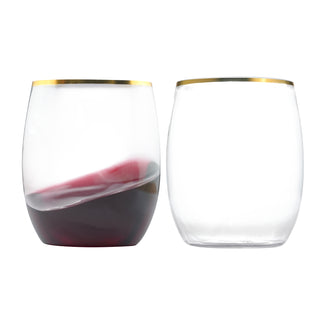
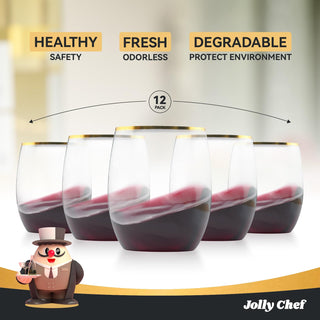
For elegant outdoor weddings and galas, crystal-clear PET options stand out. The gold-rim clear PET plastic stemless champagne flutes and gold-rim PET stemless plastic wine glasses offer glass-like brilliance with the thermal stability needed for 100°F days. These pieces resist warping and maintain clarity, helping you avoid any guest-facing embarrassment.
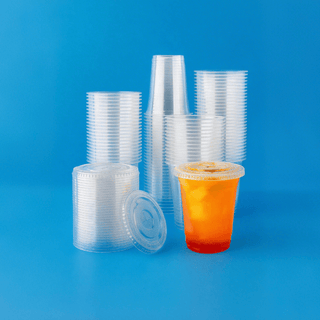
Casual catering, food trucks, or poolside service benefits from versatile bulk PET cups with lids. Our multiple sizes bulk clear plastic cups (available in 3–16 oz) provide reliable performance and easy stacking while remaining BPA-free and recyclable. For maximum heat safety in high-volume or hot-beverage scenarios, PP cups offer superior thermal tolerance when crystal clarity is not the top priority.
Not a fit if: You are committed to PLA for environmental reasons and cannot provide consistent shade or climate-controlled staging—PLA’s low softening threshold makes it unsuitable for unshaded 100°F+ events. In those cases, consider indoor service or lower-temperature timing.
Frequently Asked Questions
Q1: What is the melting point of PLA cups in direct sunlight?
PLA typically begins to soften around 104°F (40°C), and direct sunlight can push surface temperatures higher, making it unsuitable for unshaded outdoor events above this range.
Q2: Are PET cups safe for 100°F outdoor weddings?
Yes. PET drinkware generally remains stable up to about 160°F, providing enough margin for most summer conditions when combined with proper shade and staging.
Q3: Why do my plastic cups warp even when the temperature is only 90°F?
Ambient air temperature does not tell the full story. Direct sun and greenhouse effects from stacking can raise the cup’s actual surface temperature by 15–25°F or more within minutes.
Q4: Is PP better than PET for hot outdoor events?
PP offers higher heat resistance (up to 212°F) but usually has a frosted rather than crystal-clear appearance. PET is preferable when visual elegance is important; PP excels when maximum thermal safety is the priority.
Q5: How can I keep disposable cups cool during a summer catering event?
Store them in original packaging in the shade until service, use ice buckets at stations, pre-cool cups, and avoid direct sunlight on stacked displays. These steps dramatically reduce failure risk regardless of material.
Q6: Do clear PET flutes work well for mimosas at outdoor brunches?
Absolutely. High-quality PET stemless flutes maintain both clarity and structural integrity under typical summer heat, making them a popular, shatterproof choice for outdoor celebrations.