







Your Body's Fuel Essential Healthy Foods Guide
Fueling your body starts with five core groups of essential healthy foods. You can build a better diet with these items:
Leafy Greens
Berries
Nuts & Seeds
Lean Proteins
Whole Grains
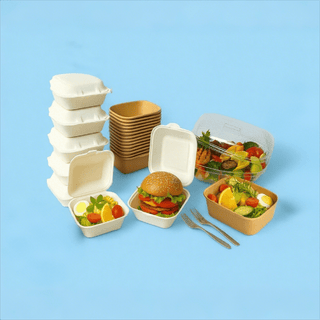
These foods provide the fundamental nutrients for sustained energy and overall wellness. Shockingly, only about one in ten adults eats enough fruits or vegetables. Preparing healthy foods is simple, especially with helpful tools like plastic tableware sets for meal planning. You can start today. Making small, consistent changes is the key to fueling your body better.
Key Takeaways
Five food groups are important for your body. These are leafy greens, berries, nuts and seeds, lean proteins, and whole grains.
These foods give your body important nutrients. They provide energy and help your body grow and stay healthy.
Eating these foods helps your physical and mental health. It can make you feel calmer, happier, and more energetic.
You can start with small changes. Add one new healthy food to your meals each week.
Making healthy food choices is simple. It helps you build lasting good habits.
Building a Healthy Diet with Essential Healthy Foods
Why These Foods Matter
The five food groups in this guide are called essential healthy foods for a reason. Your body needs two types of nutrients to thrive: macronutrients and micronutrients. Each plays a vital role in your overall health.
Macronutrients (Carbohydrates, Fats, Proteins) provide energy, support tissue growth, and maintain your body's structure.
Micronutrients (Vitamins, Minerals) help with cell growth, support your immune system, and regulate countless body processes.
Getting a mix of these foods ensures you receive the full spectrum of nutrition your body requires.
How to Use This Guide
Building a healthy diet does not need to be complicated. You can use this guide as your simple roadmap to better healthy eating. Start by focusing on adding just one new food from a category into your meals this week. For example, you could pack a handful of almonds for a snack or add spinach to your eggs. Making small, manageable changes helps you build lasting habits. Cooking more meals at home is another great way to control ingredients and make healthy choices.
The Foundation of Daily Wellness
Consistent intake of the right foods builds a strong foundation for your daily wellness. A balanced diet provides incredible health benefits that go beyond the scale. Your brain uses about 20% of your daily energy, so proper fuel improves focus and mood. Good nutrition is crucial for managing daily challenges and emotions.
A better diet supports your physical and mental health. It reduces your risk for chronic diseases like heart disease and diabetes. It also helps your body heal and recover more effectively.
These long-term health benefits show how powerful your food choices are. Every meal is an opportunity to invest in your well-being.
Leafy Greens: Nutrient Powerhouses
Why They're Essential
Leafy greens are true superfoods for your body. These powerful vegetables are packed with vitamins, minerals, and other compounds that support your overall health. Regular consumption of leafy green vegetables can help you manage daily wellness. Studies show that a diet rich in these greens is linked to a lower risk of heart disease and other chronic conditions. The nutrients in greens may also help preserve your memory and thinking skills as you age. Adding more of these nutrient-dense foods to your meals is a simple step toward a healthier, plant-based diet.
Daily Green Examples
You have many delicious options when choosing leafy greens. Spinach and kale are two of the most popular choices. Both offer incredible nutritional benefits. For example, spinach is very high in Vitamin K and Folate, while kale provides more Vitamin C. Other great vegetables to include are broccoli, Swiss chard, and even the leafy tops of beets. The key is to eat a variety of greens to get a wide range of nutrients.
Easy Ways to Eat More
Incorporating more greens into your diet can be easy and fun. You do not have to eat boring salads every day.
Tip: A simple way to boost your green intake is to blend them into other foods. This method works especially well for picky eaters.
Here are a few simple ideas to get you started:
Add a handful of fresh spinach to your morning smoothie or scrambled eggs.
Use large lettuce leaves as wraps for your favorite sandwich fillings, like chicken or tuna salad.
Mix chopped kale into soups, stews, or pasta sauces for an extra boost of fiber and nutrients.
Making these small changes helps you easily enjoy the amazing benefits of leafy greens every day.
Berries: Antioxidant-Rich Fruits
Why They're Essential
Berries are colorful, delicious, and powerful additions to your diet. These fruits are true superfoods because they are packed with beneficial compounds. Berries get their vibrant colors from plant pigments that act as protective antioxidants. These compounds help your body fight inflammation and repair cell damage.
Your body's cells naturally produce free radicals during normal function. Antioxidants help neutralize these free radicals, reducing stress on your cells and lowering your risk for diseases like cancer and heart disease.
Including a variety of berries in your diet gives you a wide range of these protective compounds.
Açaí berries contain up to three times the antioxidant amount found in blueberries.
Blackberries are a rich source of anthocyanins, which give them their deep purple color.
Strawberries and raspberries also provide valuable polyphenols that support your health.
Daily Berry Examples with Blueberries
Blueberries are an excellent and popular choice for daily eating. Research shows that their nutrients can help protect your brain. Studies suggest that eating blueberries may improve memory and learning, especially as you age. The compounds in these berries help reduce inflammation in the brain, which is linked to better cognitive function.
A one-cup serving is low in calories but high in nutrients. You get a significant amount of your daily needs for manganese and key vitamins. The table below shows the nutritional value of these amazing berries.
Nutrient |
Amount per 1-cup (140g) Wild Blueberries |
|---|---|
Calories |
84 |
Dietary Fiber |
6 grams |
Vitamin C |
~24% Daily Recommended Intake |
Manganese |
~170% Daily Value |
Zinc |
10% Daily Value |
Easy Ways to Eat More
Adding more berries to your meals is simple and tasty. Their natural sweetness makes them a perfect ingredient for many dishes. You can enjoy them fresh or frozen, as freezing helps lock in their nutrients. The high fiber content also helps you feel full and supports digestive health.
Here are a few easy ideas to get you started:
Blend a handful of mixed berries into your morning smoothie.
Top your oatmeal, cereal, or yogurt with fresh berries for a nutrient boost.
Make a simple snack by dipping strawberries or blueberries in Greek yogurt and freezing them.
Add berries to a salad for a sweet and tangy flavor contrast.
Nuts & Seeds: Healthy Fats and Protein
Why They're Essential
Nuts and seeds are small but mighty superfoods. They provide a powerful combination of healthy fats, plant-based protein, and fiber. This trio works together to help you feel full and satisfied for longer. The fiber slows down digestion, which helps prevent sudden hunger pangs.
Your body also needs different types of healthy fats to function well. Nuts and seeds offer a great variety.
Nuts like almonds and cashews are rich in monounsaturated fats.
Seeds like chia and flaxseed are high in polyunsaturated fats, including essential omega-3s.
Combining different nuts and seeds gives your body a balanced mix of these important fats. This variety supports your heart health and overall wellness.
Daily Nut & Seed Examples
Nuts and seeds are calorie-dense, so portion control is important. A small handful makes a perfect healthy snack. This amount gives you valuable nutrients without adding too many calories. Research suggests that about one ounce per day is a great target for most people. The table below shows what a one-ounce serving looks like for some popular nuts.
Nut Type |
Portion Size (ounces) |
Approximate Count |
Calories |
|---|---|---|---|
Almonds |
1 |
23 |
160 |
Walnuts |
1 |
14 halves |
185 |
Cashews |
1 |
18 |
155 |
Pistachios |
1 |
50 |
155 |
Easy Ways to Eat More
You can easily add more nuts and seeds to your meals beyond just snacking. They add a wonderful crunch and boost the nutritional value of many dishes. Because they are high in fiber and protein, they make any meal more satisfying.
Here are a few creative ideas to try:
Sprinkle toasted seeds or chopped walnuts over your salads.
Use crushed almonds to create a crunchy crust for chicken or fish.
Blend cashews with water and lemon juice to make a creamy, dairy-free pasta sauce.
Mix chia seeds or flax seeds into your morning oatmeal or smoothie.
These simple additions can elevate your meals and help you enjoy the benefits of these nutrient-packed foods every day.
Lean Proteins: Body Building Blocks
Why They're Essential
Lean proteins are the fundamental building blocks for your body. They are made of smaller units called amino acids. Your body uses these amino acids for critical jobs like repairing muscle tissue after exercise and supporting your immune system. Certain amino acids are especially important.
They serve as fuel for your cells.
They help create antioxidant defenses.
They support cell repair systems.
Adequate protein intake also plays a key role in managing a healthy weight. Higher-protein diets can help you feel full longer, which reduces overall calorie intake. This helps you lose fat while preserving lean muscle, keeping your metabolism strong.
Daily Protein Examples Including Fish
You can find lean protein in many animal and plant-based foods. Great animal sources include chicken breast, turkey, and eggs. For plant-based options, you can choose foods like tofu, lentils, and other legumes. Some plants, like quinoa and soy, are complete proteins, meaning they contain all nine essential amino acids your body needs.
Fatty fish like salmon is another excellent choice. It provides high-quality protein and beneficial omega 3 fatty acids, which support heart and brain health. The table below shows the omega-3 content in a 3-ounce serving of common fish.
Food (3-ounce serving) |
ALA (g) |
DHA (g) |
EPA (g) |
|---|---|---|---|
Salmon, Atlantic, farmed, cooked |
- |
1.24 |
0.59 |
Salmon, Atlantic, wild, cooked |
- |
1.22 |
0.35 |
Tuna, light, canned in water, drained |
- |
0.17 |
0.02 |
Cod, Pacific, cooked |
- |
0.10 |
0.04 |
Easy Ways to Eat More
Incorporating more lean protein into your diet is simple with a little planning. One of the most effective strategies is meal prepping. Batch cooking your proteins for the week saves time and ensures you always have a healthy option ready.
Tip: Cook a large batch of chicken, fish, or a lentil salad on Sunday. Then, you can easily add it to your meals throughout the week.
Using reliable containers is key to successful meal prepping. The Jolly Chef Plastic Round Meal Prep Containers are an ideal solution. They are perfect for storing pre-cooked chicken, fish, or salads made with legumes. Because they are BPA-free, you can trust your food is stored safely. Their leak-proof lids keep your meals fresh and prevent messy spills, making them convenient for work, school, or the gym.
Whole Grains: Sustained Energy Fuel
Why They're Essential
Whole grains are your body's best source of long-lasting energy. They contain complex carbohydrates, which your body digests slowly. This slow digestion gives you a steady supply of fuel without the sudden energy spikes and crashes you get from refined grains. Whole grains are also high in fiber, which helps you feel full longer and supports a healthy digestive system.
The main difference is in how they are processed. Whole grains keep all parts of the grain, while refined grains have the most nutritious parts removed.
Feature |
Whole Grains (Complex Carbs) |
Refined Grains (Simple Carbs) |
|---|---|---|
Processing |
Minimally processed |
Heavily processed |
Fiber Content |
Retains natural fiber |
Fiber is removed |
Nutrients |
Full of essential nutrients |
Lacking in nutrients |
Blood Sugar |
Provides steady energy |
Causes spikes and crashes |
Daily Whole Grain Examples
You have many delicious whole grain options to choose from. Many of these grains are also naturally gluten-free, making them great for people with sensitivities. You can try adding a variety of them to your meals.
Here are some excellent examples:
Amaranth
Buckwheat
Corn
Millet
Quinoa
Rice (brown or wild)
Sorghum
Oats are another great choice. Just be sure to look for certified gluten-free oats if you need to avoid cross-contamination.
Easy Ways to Eat More
Adding more whole grains to your diet is simple. You can start by making small swaps in the meals you already enjoy. These changes boost your intake of important nutrients and fiber. More fiber in your diet helps with digestion and keeps you feeling satisfied.
Tip: Start with one simple swap. For example, use whole-wheat bread for your sandwich instead of white bread.
Here are a few easy ideas to get you started:
Choose brown rice instead of white rice with your dinner.
Use whole-grain pasta for your favorite pasta dishes.
Select crackers made from whole grains for your snacks.
Try hot cereals made from oats, amaranth, or millet for breakfast.
You have learned about five key food groups: Leafy Greens, Berries, Nuts & Seeds, Lean Proteins, and Whole Grains. Consistently fueling your body with these essential healthy foods is a powerful strategy for daily wellness. Studies show that eating more fruits and vegetables can make you feel calmer, happier, and more energetic. Choosing these essential healthy foods supports both your physical and emotional well-being.
Start by adding one of these foods to your next meal to begin fueling your body better today. 🚀
FAQ
How do I start making changes to my diet?
You can begin your journey toward healthy eating with one small step. Pick just one food from this guide, like berries or almonds. Add it to a meal or snack you already enjoy. This simple action builds a positive habit for better health.
Are frozen fruits and vegetables as good as fresh?
Yes, frozen options are excellent. Freezing locks in the food's nutrition right after harvesting. This process preserves vitamins and minerals, making frozen fruits and vegetables a convenient and healthy choice for your meals. You get great benefits either way.
How much is one serving of nuts and seeds?
A single serving is about one ounce, which is roughly a small handful. This portion gives you healthy fats and protein without too many calories. Portion control helps you get the benefits while supporting your long-term health goals.
What if I find healthy foods boring?
You can make any food delicious with the right additions. Try using herbs, spices, or a squeeze of lemon juice to add flavor. These options enhance taste without adding extra sugar or salt, making your meals both tasty and nutritious.


