

The Latest Safe Kids' Cup Guide
Last updated: January 9, 2026
You want the best drinking cups for your kids, right? In 2026, finding 'safe' cups means looking beyond just the BPA-free label. Parents today are navigating stricter safety landscapes, focusing on Total Bisphenol-Free certifications (covering BPS and BPF) and ensuring products are free from PFAS 'forever chemicals' that were newly regulated this year. Beyond chemical safety, the focus remains on supporting healthy oral development and long-term wellness.
Key Takeaways
● Beyond "BPA-Free": Look for Total Bisphenol-Free (BPA, BPS, and BPF) certification to meet strict 2026 safety standards like California’s SB 1266.
● "Zero-Trap" Hygiene: Prioritize simple, seamless designs over complex valves to eliminate hidden mold—a health risk often more immediate than chemical leaching.
● Developmental Milestones: Start with open cups at 6 months for oral muscle health, and choose durable, safe materials to withstand the toddler "drop-test" phase.
● Material Trade-offs: While stainless steel is durable, clinical-grade, SB 1266-compliant plastics offer a lightweight, mold-free alternative that is both safe and hygienic.
● Activity-Specific Picks: Use insulated bottles for school, but pivot to Jolly Chef high-performance cups for parties and playdates to ensure zero cleanup stress and 100% mold-free safety.
2026 Drinking Cups Standards
As we enter 2026, the criteria for "safe" children's products have evolved far beyond the traditional "BPA-Free" label. To truly protect children’s health, parents and caregivers must now navigate a new landscape of chemical regulations and hygiene physics.
-
Beyond BPA: The Total Bisphenol-Free Requirement For years, "BPA-Free" was the gold standard. However, many manufacturers simply replaced Bisphenol A (BPA) with chemically similar alternatives like Bisphenol S (BPS) or Bisphenol F (BPF). Recent studies indicate these analogues may pose similar endocrine-disrupting risks.
The 2026 Standard (SB 1266 Compliance): New regulations, such as California’s SB 1266, now require products for children under 12 to be free from the entire bisphenol class. A truly safe cup in 2026 must be labeled as "Total Bisphenol-Free" to ensure it doesn't interfere with a child's delicate hormonal development.
-
The "Zero-Trap" Hygiene Standard: Mold vs. Chemicals. Chemical safety is only half the battle. A significant yet often overlooked risk in reusable children's cups is biofilm and mold accumulation.
The Hidden Danger: Many popular spill-proof cups rely on complex, multi-part straw valves and silicone gaskets. These components create "blind spots" that are nearly impossible to clean or dry thoroughly.
Why It Matters: Invisible mold spores can trigger respiratory issues and allergic reactions. In 2026, experts advocate for a "Zero-Trap" design philosophy—prioritizing simple, seamless structures that eliminate hidden crevices where bacteria and mold thrive.
-
PFAS-Free: Eliminating "Forever Chemicals" PFAS (Per- and polyfluoroalkyl substances) are often used in coatings to make surfaces stain-resistant or water-repellent. Known as "forever chemicals" because they do not break down in the environment or the human body, they have been linked to developmental delays in children.
The New Mandate: Ensure that any cup—whether plastic, metal, or silicone—is certified PFAS-Free. This ensures that no persistent synthetic chemicals leach into your child's water over time.
-
Surface Integrity & Microplastic Prevention The safety of a material also depends on its physical condition.
Clouding and Scratches: Over time, many materials develop deep scratches or a "cloudy" appearance. These are not just aesthetic issues; scratches serve as microscopic breeding grounds for bacteria, and clouding often indicates the material is breaking down and potentially releasing microplastics.
The 2026 Rule: If a cup’s surface integrity is compromised, it no longer meets safety standards and should be replaced immediately.
How to Choose Drinking Cups for Your Kids
Pediatric dental experts emphasize that a cup is more than just a liquid container—it is a developmental tool. Choosing the right type at the right time supports facial muscle coordination and long-term dental health.
-
Infants (6–12 Months): The Early Introduction of Open Cups Many parents are surprised to learn that 6 months is the ideal time to introduce an Open Cup.
Why It Matters: Drinking from an open rim requires a sophisticated "sip and swallow" coordination. Unlike nursing or using a bottle, which relies on a primitive sucking reflex, open cups encourage the tongue to retract and the jaw to stabilize.
Selection Tip: Look for small, weighted-bottom cups that are easy for tiny hands to grasp. Avoid "hard-spout" sippy cups during this phase, as they can interfere with the natural resting position of the tongue.
-
Toddlers (1–3 Years): The Straw Cup Era & Durability As toddlers become more mobile, Straw Cups become the go-to for hydration.
Developmental Benefit: Drinking through a straw promotes lip rounding and cheek strength, both of which are foundational for clear speech development.
The "Durability" Challenge: This is the peak "drop-test" phase. Toddlers frequently toss cups from high chairs or strollers.
2026 Safety Check: During this stage, prioritize Impact-Resistant materials. It is critical to ensure these materials are free from PFAS coatings, which are sometimes used in cheaper plastics or metals to resist stains but can be harmful during this high-growth period.
-
Preschoolers (3+ Years): Transitioning to Social Scenes By age three, children should be proficient with open cups and primarily use them at home to ensure proper dental alignment.
Expanding Horizons: This age marks a surge in social activities—birthday parties, playdates, and preschool events.
The Need for Versatility: In these high-energy social settings, heavy glass or bulky insulated bottles can be cumbersome and prone to being misplaced or shared (raising hygiene concerns).
The Solution: This is the ideal stage for lightweight, easy-to-handle, and hygienic containers. Parents should look for options that combine the safety of clinical-grade materials with the convenience required for a group of active children, ensuring that the focus remains on the celebration, not on cleaning up broken glass or heavy spills.
Material Comparison
To help you make the most informed decision, we have conducted an in-depth cross-comparison of the mainstream materials for children's cups on the market. Under the 2026 standards, our focus has shifted beyond mere 'chemical safety' to the 'dynamic hygiene' of long-term use.
|
Material Type |
2026 Safety Compliance |
Hygiene & Maintenance |
Best Use Case |
|
Stainless Steel / Glass |
Excellent: Naturally inert & leach-free. |
Low: Heavy and prone to hidden black mold in complex lid/straw valves. |
Daily home use or long-term school hydration. |
|
Food-Grade Silicone |
Good: Soft and protective for gums. |
Medium: Porous surface absorbs odors and soap residue over time. |
Teething infants or transition training. |
|
Clinical-Grade PET (SB 1266) |
Superior: Certified Total Bisphenol-Free& PFAS-Free. |
Highest: Crystal clear for easy inspection; "Zero-Trap" simple structure prevents mold. |
Parties, Playdates, and high-hygiene social events. |
Best Recommendation of 2026
Selecting the perfect cup depends on where and how it will be used. Based on the 2026 safety and developmental benchmarks, we have curated the top solutions for every lifestyle scenario:
-
Best for Daily School & Outdoor Use: Owala / Yeti. For long school days or outdoor sports, thermal insulation and ruggedness are the top priorities.
Why we recommend them: These brands excel in temperature retention and impact resistance. Their heavy-duty stainless steel build can withstand the rigors of a playground while keeping water cold for up to 24 hours.
Expert Tip: While excellent for hydration, remember to deep-clean the complex lid assemblies weekly to prevent the "hidden mold" issues discussed in Part 3.
-
Best for Toddler Sensory Training: Mushie / Liewood During the transition from nursing to independent drinking, the tactile experience is key.
Why we recommend them: Crafted from high-quality, food-grade silicone, these cups are gentle on sensitive, teething gums. Their soft textures provide the necessary sensory feedback and grip for tiny hands learning to navigate a cup.
-
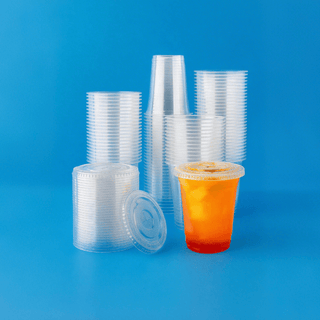
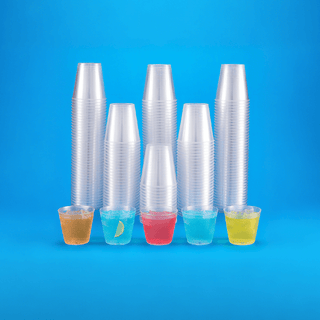
Best for Parties, Playdates & Hygiene-First Scenarios: Jolly Chef Drinking Cups Collection. In high-frequency social settings—such as birthday parties, holiday gatherings, or group playdates—the requirements shift toward safety at scale and absolute hygiene. This is where Jolly Chef becomes the premier choice for the "Zero-Burden" parent.
"Zero-Mold" Guarantee: Unlike complex reusable bottles with hidden valves, Jolly Chef features a streamlined, "Zero-Trap" design. By using a fresh, clinical-grade cup for each event, you eliminate the risk of lingering bacteria or mold colonies from previous uses.
Elite Safety Compliance: Do not let the lightweight design fool you; these are engineered to the highest 2026 standards. They are fully compliant with California SB 1266, ensuring they are Total Bisphenol-Free (BPA, BPS, and BPF-free) and PFAS-Free.
Zero Cleanup Stress: Hosting a party should be about making memories, not scrubbing dozens of intricate straw components. Jolly Chef provides the premium safety of a high-end brand with the convenience of a modern, disposable-friendly solution—ensuring every child’s sip is as clean and fresh as the very first one.
Cleaning and Replacement Tips
2026 Safety Standards: Beyond Compliance to "Dynamic Hygiene" In 2026, choosing a safe cup requires looking beyond the "BPA-Free" label to ensure Total Bisphenol-Free (No BPA, BPS, or BPF) and PFAS-Free certifications, meeting strict new regulations like California’s SB 1266. Beyond chemical safety, parents must prioritize "Dynamic Hygiene"—recognizing that complex valves in traditional stainless steel cups often harbor hidden mold. Advanced Clinical-Grade PET has emerged as a superior alternative, utilizing a "Zero-Trap" design and crystal-clear transparency to physically eliminate bacterial breeding grounds.
Developmental Milestones and Scenario-Based Selection Pediatric experts recommend introducing open cups as early as 6 months to support oral muscle development, transitioning fully by age 3 to protect dental alignment. While durable stainless steel is ideal for daily school use, the Jolly Chef High-Performance Series is the premier choice for parties and social gatherings. It meets top-tier safety standards while offering a lightweight, "Zero-Mold" solution that eliminates the nightmare of cleaning complex parts and the risk of cross-contamination, ensuring hygiene in high-energy social settings.
FAQ
Q1: Can high-quality plastic cups be used for hot beverages like warm milk?
A: While many high-grade plastics are heat-resistant, it is generally recommended to use PET-based cups only for cold or room-temperature drinks (below 113°F / 45°C). For boiling water or high-heat sterilization, tempered glass or stainless steel remain the safer choice to ensure long-term material stability and prevent any potential warping.
Q2: What should I look for regarding new safety regulations like SB 1266?
A: Beyond the standard "BPA-Free" label, the focus is shifting toward "Total Bisphenol-Free" products. This means the material is free from BPA, BPS, and BPF. When selecting drinkware, check if the manufacturer provides transparency regarding these chemical analogues, as they are the primary focus of updated 2026 safety standards.
Q3: Is it better to reuse a cup for months or replace it periodically?
A: This depends on the material's condition. For any cup—whether plastic, silicone, or metal—the key is "Surface Integrity." Once you notice deep scratches, clouding, or persistent odors, the cup should be replaced. These physical defects can harbor bacteria or indicate material degradation, which is why simple-structure cups are often preferred for group settings to ensure absolute hygiene.
Q4: How can I effectively prevent mold growth in children’s cups?
A: Mold thrives in moisture trapped within complex valves and silicone gaskets. To prevent this, always fully disassemble every part during cleaning and ensure they are 100% dry before reassembly. If a cup has a complex, non-detachable straw system, it is much harder to guarantee hygiene, making simple-rim or "Zero-Trap" designs a more reliable option for mold prevention.
Q5: Are PFAS-Free certifications necessary for simple drinking cups?
A: Yes. PFAS (Per- and polyfluoroalkyl substances) are sometimes used in coatings to make products stain-resistant. Because these "forever chemicals" can accumulate in the body, choosing products certified as PFAS-Free is a crucial step in 2026 to ensure your child isn't exposed to persistent synthetic chemicals during daily hydration.


