

Stop the Sag: Why Heavy-Duty Plastic Plates are a Game Changer for Steak Dinners
Nothing ruins an elegant outdoor wedding reception or a lively backyard BBQ faster than watching a disposable plate sag and buckle under the weight of a juicy 12-ounce steak and its sides. For hosts and caterers who want the convenience of single-use dinnerware without the embarrassment of collapsing plates or awkward guest moments, heavy-duty plastic plates deliver the structural strength and premium presentation that standard options simply cannot match. These plates combine rigidity for cutting, resistance to grease and heat, and a china-like appearance that elevates any event while making cleanup effortless.
Standard Disposable Plates Fail the Ultimate Test of a Perfectly Cooked Steak Dinner
Standard paper or thin plastic plates often collapse at the worst possible time during high-stakes events. The physics behind this failure is straightforward: the center of a lightweight plate lacks sufficient support to bear the concentrated weight of dense proteins like ribeye or brisket combined with sides, sauces, and utensils. When a guest presses down with a steak knife, the plate flexes, slides, or even tears, creating an immediate mess and drawing unwanted attention.
Heat and grease accelerate the problem. Juices and fats from freshly grilled steak can soften paper plates or cause thin plastics to warp, leading to greasy leaks onto table linens or clothing. Guests end up balancing their meal awkwardly or rushing through the cut to avoid further bending, which detracts from the enjoyment of the meal.
This issue becomes especially noticeable at seated dinners where presentation matters. Hosts aiming for an upscale experience often seek the refined look of real china without the post-event washing, stacking, and potential breakage. Heavy-duty plastic plates solve this by providing the borrowed luxury of elegant tableware with the practicality of disposables, ensuring every guest can cut and enjoy their steak confidently.
For backyard BBQs or large family gatherings, the failure of flimsy plates also slows service and increases cleanup stress. When plates cannot handle the load, hosts spend more time managing spills than enjoying the event. Recognizing these pain points early helps event planners filter out inadequate options before they reach the table.
Material Science Behind High-Performance Heavy-Duty Plastic Plates
Choosing the right material separates plates that merely look sturdy from those that actually perform under real meal conditions. Two primary plastics dominate premium disposable dinnerware: polystyrene (PS) and polypropylene (PP). Understanding their differences helps you match the plate to your specific serving style.

What Flexural Modulus Reveals About Plate Rigidity
Rigidity, technically known as flexural modulus, measures how well a material resists bending under load, as defined by industry testing standards such as ASTM D790. In practical terms, a higher flexural modulus means the plate stays flatter when you press a knife into a steak, reducing the chance of flex or breakthrough. For seated steak dinners, this property directly improves the guest experience by keeping the surface stable.
How Polystyrene (PS) and Polypropylene (PP) Compare for Steak and BBQ Service
Polystyrene offers superior surface hardness and rigidity, making it the preferred choice for cutting steak. It provides a firm, china-like feel that resists scoring from knives better than more flexible materials. This makes PS plates ideal when guests will be actively cutting dense cuts of meat at the table.
Polypropylene, by contrast, excels in heat resistance. It can handle higher serving temperatures without softening, which suits buffet-style BBQ where plates may hold hot brisket or ribs straight from the grill. However, its greater flexibility can allow more sag under heavy loads compared to rigid PS.
The trade-off is clear: PS delivers the cut resistance and premium look most hosts want for formal steak dinners, while PP provides better performance for high-heat, greasy foods in casual settings. Neither material is universally superior; the best fit depends on whether your event prioritizes knife stability or heat tolerance.
This visual clarifies the likely pattern in typical setups:
PS vs PP: Best Fit by Dinner Setting
A tiered comparison of where each plastic tends to fit better: PS for a seated steak dinner when rigidity and cut resistance matter most, and PP for a high-heat BBQ when heat resistance matters most.

PS is usually the safer pick for seated steak dinners where cutting force and a stable, elegant surface matter most. Switch to PP when your event involves high-heat buffets, as its superior temperature tolerance reduces the risk of warping from hot, fatty foods. Always treat the common 12-ounce steak guideline as a practical planning threshold rather than a strict laboratory limit, since real-world performance also depends on plate design and exact food temperature. Brands like Jolly Chef build their premium dinner plate lines around PS for exactly this reason; the material's natural rigidity pairs well with reinforced rim designs to deliver a stable cutting surface that feels closer to real china.
Structural Design Features That Prevent Plate Sag and Enhance the Guest Experience
Material choice alone does not guarantee performance. The physical shape of the plate plays a critical role in distributing weight and preventing the perimeter from drooping under load.
How Reinforced Rim Geometry Adds Stiffness
A wide, multi-stepped rim functions like a structural flange, increasing overall stiffness around the edge where sagging often begins. This design helps the plate maintain its shape even when carrying a full steak dinner, giving guests confidence that their plate will not fold when they cut or lift it.
Why Deeper Wells and Underside Ribbing Improve Load Support
Deeper wells with vertical sidewalls create a stronger section modulus that better supports center loads. Subtle ribbing on the underside adds reinforcement without making the plate feel bulky or cheap. Together, these features turn a simple disposable plate into a reliable performer for heavy meals.
Safety Standards That Matter for Hot, Greasy Foods
For steak and BBQ service, look for plates made from plastics that comply with FDA regulations under 21 CFR 177. These standards confirm the material has been tested for safe contact with hot, fatty foods, minimizing any risk of chemical migration at typical serving temperatures. This compliance provides essential peace of mind for caterers and home hosts alike.
These design and safety elements explain why some heavy-duty plates feel noticeably more stable than others of similar thickness. Checking for reinforced rims and proper depth becomes a quick self-check when comparing options in bulk.
How to Select the Ideal Premium Plastic Plates for Your Next Upscale Event or BBQ
Selecting the right heavy-duty plastic plates requires matching size, material, and style to your specific menu and guest count. Start by confirming the plate can handle your heaviest expected load without compromising the elegant presentation you want.
Minimum Size Recommendations for Steak Dinners With Sides
A 10.25-inch plate is generally the minimum practical size for a full steak dinner that includes sides and sauces. Smaller plates may look elegant, but often force guests to overcrowd food, increasing the chance of spills or imbalance. Larger diameters also provide better rim support for added rigidity.
Matching Rim Colors and Finishes to Event Themes
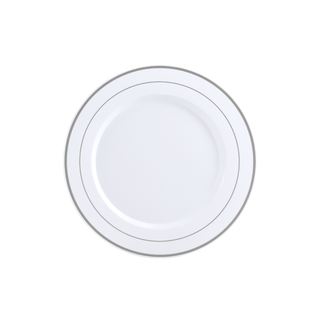
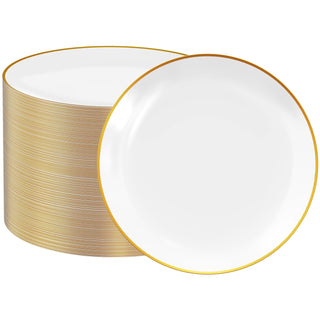
Premium plates with gold or silver rims can coordinate seamlessly with wedding or gala themes while maintaining the structural performance needed for heavy foods. These metallic accents deliver the upscale aesthetic many hosts desire without the cost or risk of actual china. Choose finishes that complement your linens and centerpieces for a cohesive tablescape.
Material Guidance Based on Service Style
For seated dinners where guests will cut their own steak, prioritize high-rigidity polystyrene plates for better knife performance and a firm feel. For buffet or high-heat BBQ service, polypropylene or multi-layered reinforced options offer better heat stability and resistance to greasy soak-through. This distinction helps avoid the common regret of choosing a beautiful plate that still sags or warps under real conditions.
Avoid standard lightweight plates entirely if your menu regularly includes 12-ounce or heavier entrees. They may save a few cents per unit, but often create visible failures that undermine the professional or elegant impression you are trying to create. Instead, treat reinforced heavy-duty construction as a baseline requirement for steak-focused events.
Making the Final Decision: Which Heavy-Duty Plate is Right for Your Steak Dinner Event?
The best heavy-duty plastic plate depends on whether your event is a formal seated dinner or a casual high-heat buffet. For upscale weddings and plated steak service, 10.25-inch elegant polystyrene plates with metallic rims deliver the rigidity, cut resistance, and china-like appearance that prevent sag while impressing guests. These options align with the borrowed luxury many hosts seek without the cleanup burden of real dinnerware.
For backyard BBQs or catered events featuring hot ribs, brisket, or other greasy foods, heavier polypropylene or reinforced multi-layer plates provide the necessary heat tolerance and grease resistance. Their flexibility makes them less prone to cracking if dropped, though they may show slightly more flex under a knife.
If your priority is a rigid, cut-resistant plate for seated steak dinners, Jolly Chef's premium PS lines are a strong match — their Plastic Disposable Plates collection is built around the polystyrene rigidity discussed above. For hosts leaning toward high-heat buffet service where PP excels, brands like Hefty or Chinet offer reliable polypropylene options worth considering. That said, for most steak-focused events, PS remains the better fit, and Jolly Chef provides several configurations to match your table size and theme.
Specific sets like the 10in Bulk White Plastic Plates with Silver Rim or White with Gold Rim Elegant Plastic Plate Set give hosts beautiful, sturdy choices that match the decision framework above. For larger events, the JOLLY CHEF Gold Rim Disposable Plastic Plates simplify bulk purchasing while maintaining performance. By focusing on material, design, and intended use rather than price alone, you can confidently select plates that stop the sag and elevate every steak dinner.
FAQs about Heavy-Duty Plastic Plates
Are Heavy-Duty Plastic Plates Strong Enough for Cutting Steak?
Yes, premium polystyrene plates with reinforced rims typically provide enough rigidity to resist flexing when cutting a standard 12-ounce steak, provided the plate diameter is 10 inches or larger. The key is choosing options designed with higher flexural strength rather than the thinnest available bulk plates. Always test a sample with your actual menu if serving particularly dense or oversized cuts.
What Is the Main Difference Between Polystyrene and Polypropylene Plates for Events?
Polystyrene plates offer greater surface hardness and a more rigid, china-like feel that excels during seated dinners where guests cut food with knives. Polypropylene plates handle higher temperatures and are more flexible, making them preferable for hot buffets or microwave use. Neither is ideal for every scenario, so match the material to whether cutting stability or heat resistance is your bigger priority.
How Can I Tell if Plastic Plates Are Truly Heavy-Duty Before Buying?
Look for explicit mentions of reinforced rims, deeper wells, and flexural performance in the product description. Check for FDA food-contact compliance and opt for plates marketed specifically for dinner rather than appetizers. Reading independent buying guides or requesting a small test pack helps confirm real-world performance beyond marketing claims.
Are Premium Plastic Plates Safe for Hot and Greasy BBQ Foods?
Plates manufactured from FDA-compliant plastics under 21 CFR 177 have been tested for safe contact with hot, fatty foods at normal serving temperatures. They resist chemical migration and grease soak-through better than standard paper alternatives. Avoid exceeding the manufacturer's recommended temperature range, especially with polystyrene, to prevent softening.
What Size Plates Work Best for Steak Dinners at Weddings?
Ten-point-two-five-inch or larger plates are the practical minimum for a full steak entrée with sides and sauces. This size provides enough surface area and rim support to reduce sag while allowing elegant plating. Smaller dessert-sized plates are unsuitable as primary dinnerware for heavy meals.