

Fall Catering Buffet Setup: A Practical Service Flow Guide

Autumn events create a specific service challenge: menus often mix hot entrées, chilled salads, desserts, drinks, and outdoor-to-indoor guest movement. A good buffet layout does more than look seasonal. It reduces backtracking, keeps backup cases out of sight, and gives staff a predictable restocking route.
The most efficient buffet station separates guest pickup from staff replenishment. Guests should not cross the path used to replace pans, plates, or napkins. That simple separation protects the flow even when arrivals cluster at the same time.
Build the fall catering buffet in four zones
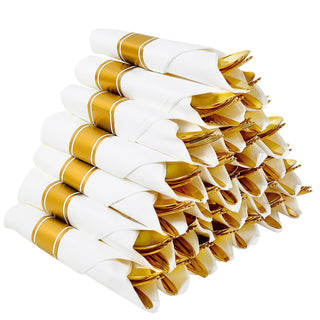
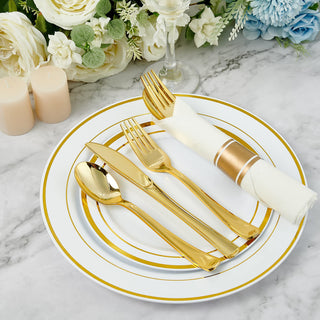
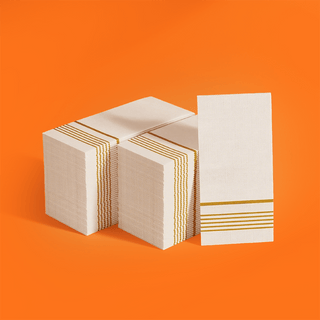
Put plates at the beginning because every diner needs one. Place flatware at the end when possible; guests then keep both hands free while serving food. Pre-rolled sets can shorten the decision point because the fork, knife, spoon, and napkin move as one unit.
A buffet line is not fully stocked when every case is open; it is fully stocked when the guest-facing quantity and the next restock quantity are both ready.
Match the station to the menu and guest movement
| Service situation | Recommended setup | Operational reason | Watch for |
|---|---|---|---|
| Single hot entrée with sides | One linear line with plates first and cutlery last | Simple decisions keep guests moving | Slow carving or sauce points |
| Mixed hot and cold menu | Separate temperature-controlled food areas that rejoin before cutlery | Staff can monitor each holding method independently | Guests crossing between zones |
| Appetizer reception | Two small pickup points with 7-inch plates and napkins nearby | Distributes demand across the room | Duplicate restock needs |
| Large dinner group | Mirrored buffet lines sharing a staff-only backup area | Increases access without doubling reserve storage | Uneven supply between lines |
| Outdoor fall event | Covered supplies, weighted napkins, short travel distance | Helps manage wind and changing weather | Moisture, uneven ground, and temperature exposure |
Plan tableware quantities by service point
Start with expected attendance, then calculate the number of items used at each point. Dinner plates usually follow the meal count. Appetizer or dessert plates require a separate estimate because one guest may visit those stations more than once. Add a practical buffer based on RSVP uncertainty, breakage, staff meals, and supplier lead time rather than applying a universal percentage.
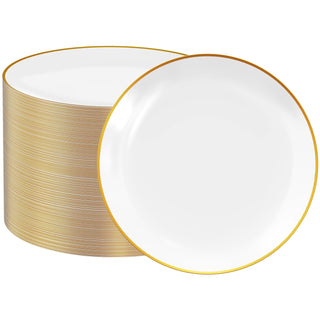
Do not treat all plate sizes as interchangeable inventory. A 10-inch dinner plate, a smaller appetizer plate, and a tray each support a different menu and carrying task. Confirm the exact variant, pack count, and available inventory before finalizing the purchase.
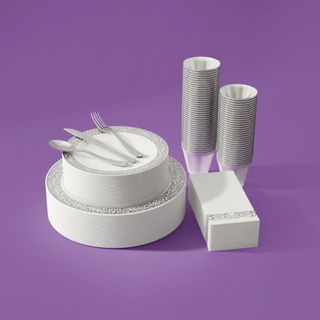
For a polished dinner service, compare the active 10-inch white plates with silver rims. For fast pickup at the finish zone, review pre-rolled gold plastic silverware and 3-ply white bulk napkins. These recommendations are based on Active listings with in-stock `hwc` variants checked on August 13, 2026.


Create a restock station before guests arrive

- Label backup quantities by station. Keep the reserve for Line A, Line B, dessert, and drinks separate so staff can move the correct pack immediately.
- Stage one replenishment unit. Open or prepare the next usable stack before service, while keeping remaining stock protected.
- Set a visual trigger. Restock when the working stack reaches a chosen level rather than waiting until the last plate or roll disappears.
- Assign ownership. One named person watches plates, cutlery, napkins, spills, and waste points during the arrival peak.
- Record actual use. After service, note unopened packs, damaged items, and the time of peak demand to improve the next order.
Keep food-safety controls separate from supply styling
Seasonal décor and disposable tableware do not replace temperature control. The FDA advises keeping hot buffet foods at 140°F or warmer and cold foods at 40°F or colder. It also recommends smaller serving dishes with fresh replacements rather than adding new food to a partly used dish. Perishable food left at room temperature for more than two hours should be discarded; that window becomes one hour when the air temperature is above 90°F.
Tableware flow and food safety are two different control systems. The service captain can manage plates and guest movement, while trained food staff monitor temperatures, holding equipment, replacement pans, and local requirements.
Fall catering buffet checklist
- Map one-way guest movement and a separate staff restock route.
- Confirm plate sizes against the real menu and serving utensils.
- Stage cutlery and napkins at the end of the line or at dining tables.
- Keep reserve cases protected, organized, and close to each service point.
- Assign a restock owner and a trigger level for every consumable.
- Confirm hot and cold holding equipment with trained food staff.
- Record actual usage after the event before placing the next seasonal order.
Frequently asked questions
Where should plates go on a buffet?
Place plates at the entrance to the food line. Use moderate stacks that are easy to lift from, then replenish from a staff-only reserve instead of placing the entire case on display.
Should cutlery go at the beginning or end?
The end usually creates an easier serving flow. Guests can use both hands for the plate and serving utensils, then collect a pre-rolled cutlery set after choosing food.
How many buffet lines are needed?
There is no universal guest threshold. Consider arrival pattern, menu complexity, serving speed, room width, and staffing. A mirrored second line helps only when it has supplies and staff support.
How should napkins be handled outdoors?
Keep working quantities covered or weighted. Store reserve napkins in a dry protected container and refill smaller holders as needed.
Can the same plate be used for dinner and dessert?
It can, but it may not be the best operational choice. Match size and rigidity to portions, sauces, carrying distance, and presentation; estimate dessert usage separately.
Authoritative source: Review the FDA guidance for serving safe buffets and follow applicable local foodservice rules.